Continuous, self-motivated, and adaptive pursuit towards a Meaningful Career and Meaningful Life
Pathways to lifelong learning
Overview and educational need:
The FEU library is the lead depository of knowledge available to the University community and its peers.
Objectives:
It aims to be a leading academic information resource center and dynamic partner in the University’s vision to develop responsible and well-informed professionals who can contribute to the advancement of the global society. It aims to provide comprehensive, relevant, and cost-effective library resources and services and build a culture of academic excellence through:
- Comprehensive, relevant, up-to-date, and accessible collection of books, publications, online databases, and other library materials in varied formats to the level required to support academic teaching, learning, and research of the FEU community;
- State-of-the-art information and communication technology (ICT) and other facilities;
- Highly competent and professional librarians and support staff; and
- Strategic alliances and linkages with libraries, academic and research institutions, consortia, publishers, suppliers and vendors, institutional partners, and other global learning networks for access to the production and dissemination of information resources.
The FEU Library collections cater to both academic pursuits and recreational reading for the FEU community.
Dates, location, and frequency:
The FEU Library is located at Nicanor Reyes Hall, and it is open Monday to Friday from 7:00 AM to 9:00 PM, and on Saturdays from 7:00 AM to 6:00 PM.
Target beneficiaries and actual reach:
The target beneficiaries are FEU students, faculty, employees, alumni, and visiting researchers.
Activities and learning resources:
The FEU Library collection contains 136,932 titles and 177,913 volumes of books, periodicals, unpublished manuscripts, CDs, and DVDs. It also has comprehensive online eBook and eJournal subscriptions to EBSCOHost, JSTOR, ScienceDirect, GALE Ebooks, and Proquest Ebooks.
Public access and fees:
Non-FEU-affiliated researchers (undergraduate students and above) are generally accepted on Fridays with a library fee of P60.00.
Contact and page updates:
The FEU Library can be contacted through email at universitylibrary@feu.edu.ph, @Library.FEU on Facebook, and 87777338 loc 278/280 on landline. The University Librarian, Dr. Maria Gia G. Gamolo, can be contacted via email at mggamolo@feu.edu.ph
Quick Links:
Webpage: www.library.feu.edu.ph
Library OPAC (Online Public Access Catalog): https://library.feu.edu.ph/
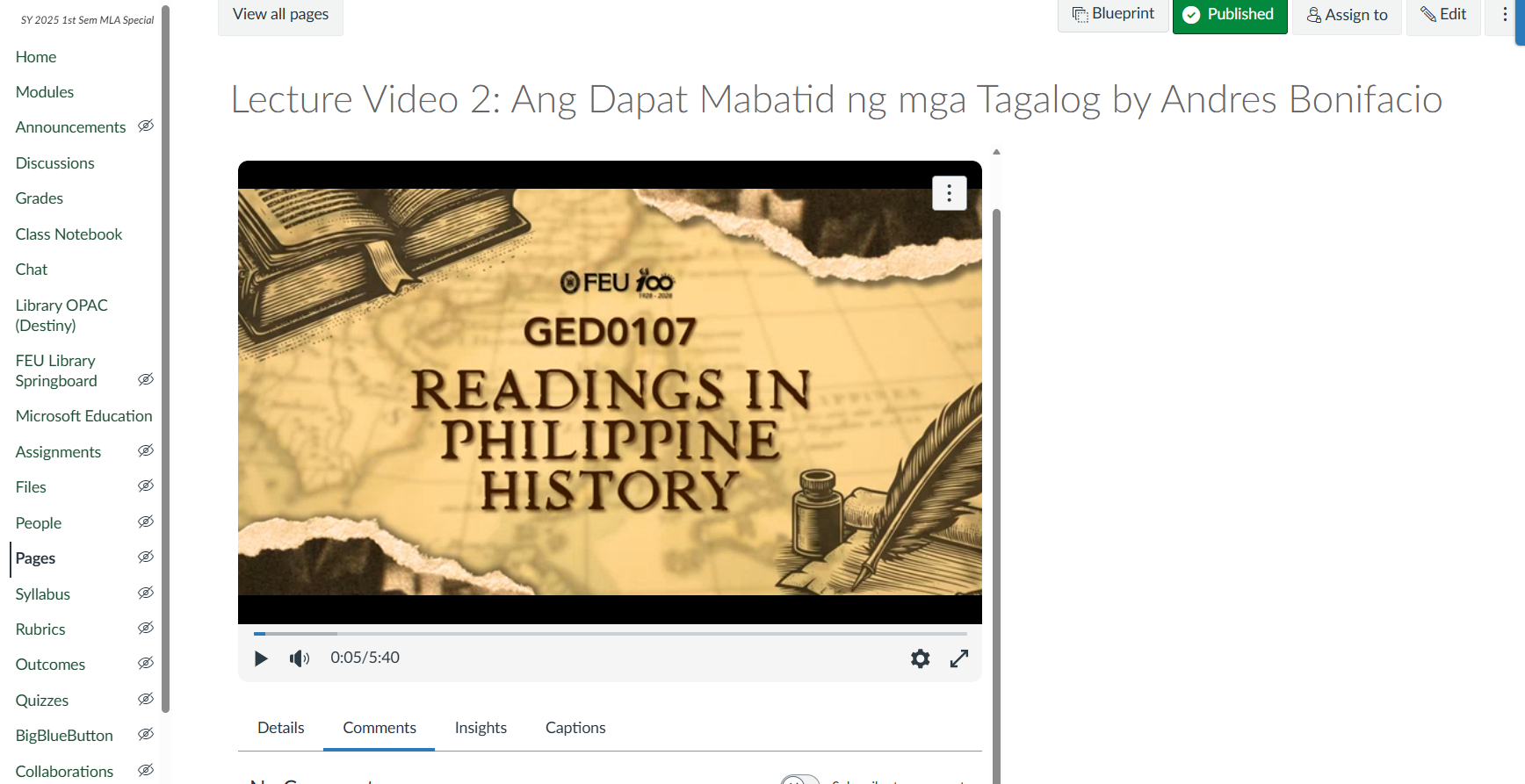
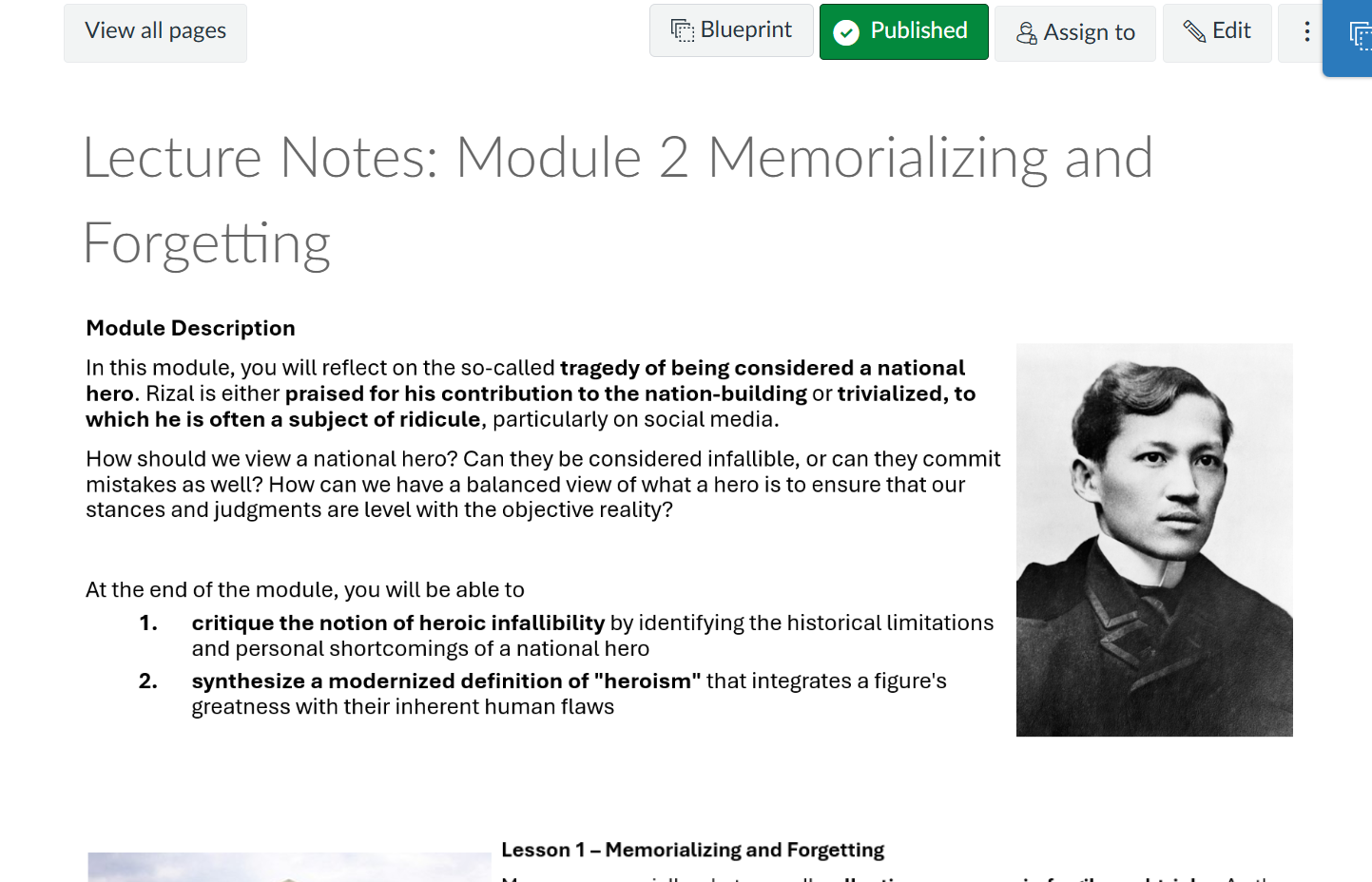
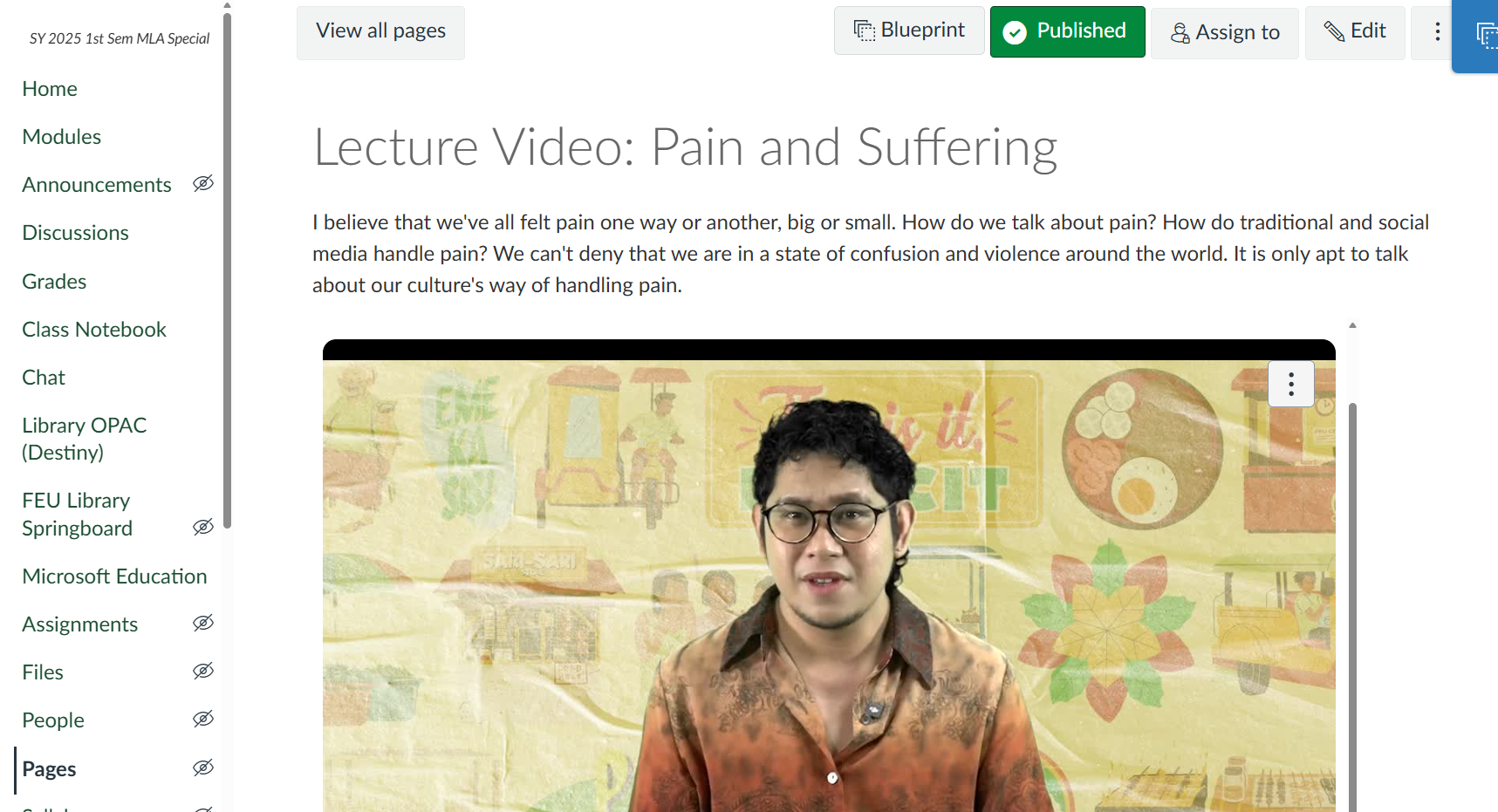
The Advance Course Program (ACP) for FEU Senior High School Students is a set of free college advance courses composed of mini-lecture videos and short assessment tasks. SHS students who are able to finish and pass the ACP courses are eligible to apply for advance credit for these courses upon their enrollment in FEU Manila for college. The program aims to:
- Provide incoming college students with an opportunity to enhance their academic skills through intensive learning experiences.
- Enable students to earn credit for four general education courses in their future college program.
Number of participants served:
| Year | Participants |
| 2025 | 1,384 FEU SHS students |
| 2026 | 52 FEU SHS students (Program is still on-going until December 2026) |
Courses Offered:
- Science, Technology, and Society
- Philippine Popular Culture and Discourses
- The Life and Works of Rizal
- Readings in Philippine History
Key Features:
- Bite-sized – It is usually a series of 3 to 10-minute videos that culminate into an assessment task.
- Focused – It covers a specific single topic, outcome, or skill.
- Multimodal – It includes video, text, and interactive activity.
- Flexible – It may be a standalone or a related topic of the course.
- Engaging – It promotes cognitive and behavioral engagement.
Parts of Advance Course Modules:
- Topic and Target Learning Outcome
- Mini-lecture Video Chapters
- Lecture Notes
- LMS Quiz and Automated Feedback
Assessment Scheme:
The final grade to be credited for SHS students will be computed using the following scheme:
- 40 % – LMS Quizzes
- 30 % – Draft Summative Assessments
- 30 % – Final Summative Assessments
Below is a sample distribution of assessments within the module:
| Module 1 | Module 5 |
| Lecture Notes | Lecture Notes |
| Lecture Video 1 | Lecture Video 1 |
| Lecture Video 2 | Lecture Video 2 |
| Learning Application | Learning Application |
| LMS Quiz | LMS Quiz |
| Module 2 | Module 6 |
| Lecture Notes | Lecture Notes |
| Lecture Video 1 | Lecture Video 1 |
| Lecture Video 2 | Lecture Video 2 |
| Learning Application | Learning Application |
| LMS Quiz | LMS Quiz |
| Module 3 | Module 7 |
| Lecture Notes | Lecture Notes |
| Lecture Video 1 | Lecture Video 1 |
| Lecture Video 2 | Lecture Video 2 |
| Learning Application | Learning Application |
| LMS Quiz | LMS Quiz |
| Module 4 | Module 8 |
| Lecture Notes | Lecture Notes |
| Lecture Video 1 | Lecture Video 1 |
| Lecture Video 2 | Lecture Video 2 |
| Learning Application | Learning Application |
| LMS Quiz | LMS Quiz |
| SA Draft Submission | SA Final Submission |
Assessment Features
LMS Quizzes will provide immediate feedback through automated features of Canvas.
LMS Quizzes are situational analysis-type of questions targeting higher order thinking skills.
Summative Assessments will be authentic assessments that align with expected learning outcomes for the course.
The same task will be provided to SHS students for the draft and final submission of summative assessments. Thus, students would need to revise their final summative assessments based on the comments in their draft submissions.
Correspondence
For inquires, interested FEU SHS students may send email to freshmenenrollment@feu.edu.ph and generaleducation@feu.edu.ph
The Advance Course Program (ACP) is a FREE pre-college program designed to help non-FEU high school students earn advanced college credits while easing their transition to university life. ACP offers four General Education courses taken weekly from May to July,
Number of participants served:
| Year | Participants |
| 2025 | 130 SHS students |
| 2026 | 215 SHS students |
1. Objectives:
- Provide incoming college students with an opportunity to enhance their academic skills through intensive and fun learning experiences.
- Enable students to earn credit for four general education courses in their future college program.
2. Eligibility Criteria
- Open to senior high school students.
- Students must apply and be officially accepted into the program through the designated registration process.
- Students must commit to completing the full duration of the program.
3. Program Structure
The program offers four (4) advance courses:
- Culture, Society, Ideas, and Innovation
- Philippine Popular Culture and Discourses
- Science, Technology, and Society
- Purposive Communication
Students will be provided with the option of choosing which of the 4 courses they will be attending. Students may choose to just enroll in 1 or all courses.
When does it happen?
The program runs across six (6) sets of dates. These 4 subjects will run every week. You can choose the schedule that works best for you:
The program follows a college-style intensive seminar model:
- Short lectures (30–45 mins)
- Guided discussions
- Small-group workshops
- In-class formative activities
- Capstone-related project development
Daily Time Structure (9:00 AM – 4:30 PM)
| Time | Activity |
| 9:00 – 9:30 | Warm-up / Review / Mini formative check |
| 9:30 – 10:30 | Lecture / Concept Introduction |
| 10:30 – 10:45 | Break |
| 10:45 – 12:00 | Workshop / Guided Practice |
| 12:00 – 1:00 | Lunch |
| 1:00 – 2:00 | Application Activity / Group Work |
| 2:00 – 2:45 | Formative Assessment / Feedback |
| 2:45 – 3:00 | Reflection / Exit Ticket |
| 03:00 – 04:30 | Post-class activity / Campus Tour |
4. Assessment Structure
A. Formative Assessments (70%)
Mostly conducted in class:
- Exit tickets
- Short analytical responses
- Group problem-solving tasks
- Draft submissions
- Peer reviews
- Participation in discussions
- Practice presentations
Purpose: Continuous feedback and skill development.
B. Summative Assessments (30%)
Two related major tasks:
A) Academic Paper (sample only)
B) Oral Presentation (sample only)
Integration Model:
The oral presentation defends or expands upon the paper, simulating a college symposium.
5. Credit Granting Criteria
To earn college credit, students must:
- Attend at least 90% of sessions
- Submit both summative tasks
- Achieve minimum overall score (D)
- Demonstrate academic integrity
6. Attendance and Participation
- Students are required to attend all face-to-face sessions and actively participate in all learning activities.
- A minimum attendance of 90% is required to be eligible for completion and credit.
- Absences due to valid reasons must be documented and approved by the program coordinator.
7. Correspondence
For inquires, interested SHS students may send email to freshmenenrollment@feu.edu.ph and generaleducation@feu.edu.ph
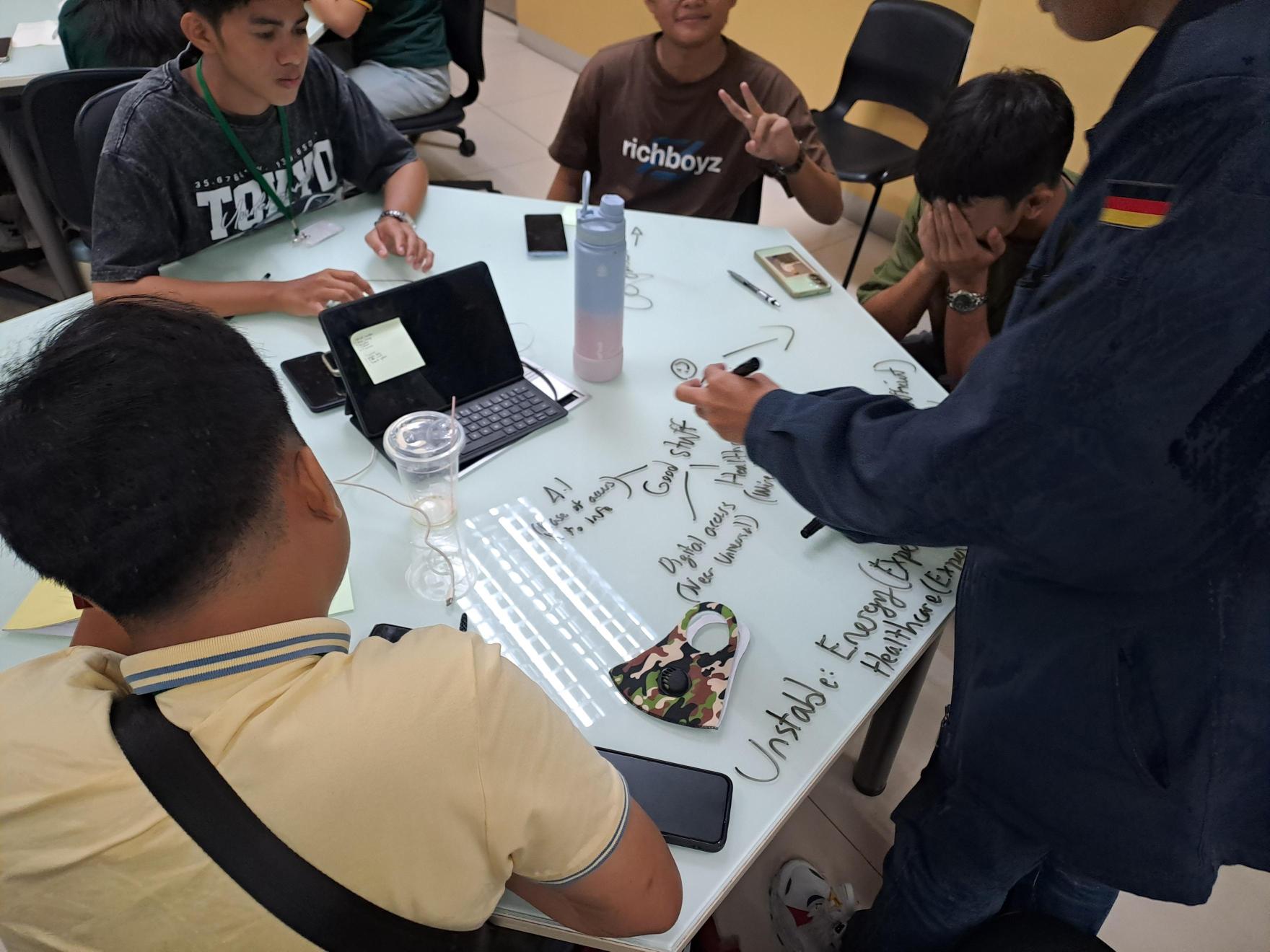
Academic Resource Toolkits (ART)
The Academic Resource Toolkits (ART) is a collection of downloadable resource guides for students and teachers. Students can use these in independently learning different academic skills while teachers can use these in instructional designing and facilitation.
Public Intellectual Lecture Series (PILS)
Public Intellectual Lecture Series (PILS) is a collection of recorded video lectures which are used by FEU General Education (GE) blended learning courses as primary learning resource. PILS aims to inform and expose students to the scholarly and research-based discussions concerning topics of the course. PILS is characterized by the following features:
- PILS presents discussions of scholars about the selected topic. It discusses trends, problems, and issues based on current and emerging research about the topic.
- PILS features experts in the topic being discussed. It provides a venue for field’s scholars, scientists, and practitioners to share their expertise through recorded lectures.
- PILS complements research-based readings. It gives students the opportunity to explore further ideas and extend their understanding from these readings.
- PILS is based on the course expected learning outcomes. Development and production of PILS are based on the needed content-knowledge which can allow students to demonstrate learning skills.
- PILS is used to develop knowledge base of students. PILS does not replace classroom engagement but rather serves as a springboard for teachers and students to engage in academic conversations and collaborations.
See PILS playlist here for free: https://www.youtube.com/@feuacademics2438
PILS Format and Flow
Part 1. Master Lecture
The Public Intellectual conducts the lecture with students. The lecture is recorded.
See sample here: https://www.youtube.com/watch?v=dAiNFJsYirE
Part 2. Open Forum
This part is where a moderator sits with the Public Intellectual to ask questions about what has been presented during the lecture.
See sample video here: https://www.youtube.com/watch?v=Ub-U6SZzuvg
How to use PILS
PILS is used as a springboard for and/or extension of discussions and activities inside and outside the classroom. Thus, it can follow either of the following facilitation model:
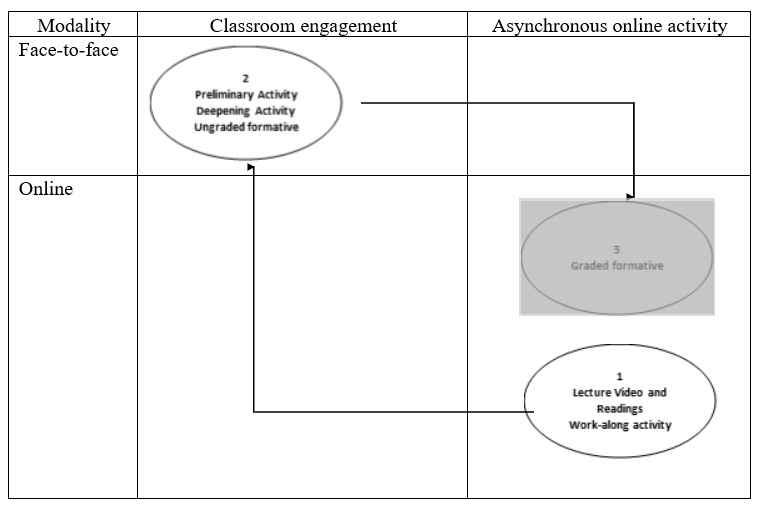
In this model, PILS is given to students as a resource material to watch before coming to class. Students are also given ungraded work-along activities (e.g. concept mapping, guided questions, marginal notes, etc.) that will allow them to explore the PILS along with the readings. Then, different activities are conducted during classroom engagement to exhaust and deepen understanding gained from the PILS. These activities are:
- Preliminary Activities – these are initial activities that learners will do to exhaust the content of the resource material.
- Deepening of understanding – these are activities that learners will do to analyze, evaluate, and/or synthesize the content of the resource material.
- Ungraded formative assessments – these are ungraded activities that will assess students’ demonstration of understanding and skills, using the resource material as a vehicle to build learning base.
Graded formative assessment is then given as an output or performance which students are expected to accomplish as evidence of demonstration of learning outcomes.
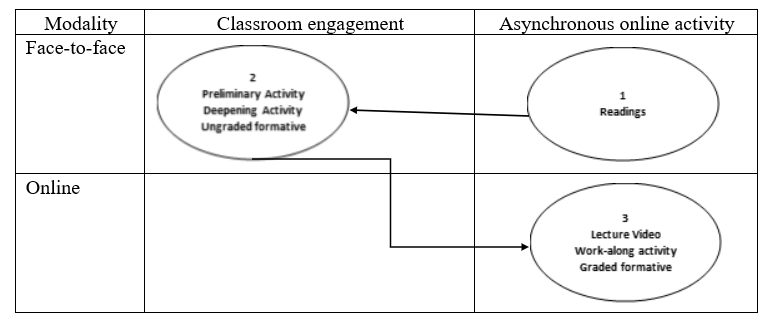
In this model, PILS serves as resource material to further insights of students learned from the readings and classroom engagement. Thus, asynchronous online work-along activities allow students to interact with the material and use PILS in accomplishing their graded formative assessment.
FEU Academy
May 9, 2026
Certificate in Organization Development
Overview and Educational Need
This course aims to help the participants understand what OD is and how it is practiced. It is a combination of lectures, workshops, and case discussions. It presents the fundamental principles that an OD Consultant/Practitioner should know. It will also enable the participants to define and explain organization development.
Objectives
To empower Human Resource practitioners with comprehensive strategies for training needs analysis, module design, program facilitation and earning management to elevate organizational capability and employee performance.
Dates, Location, and Frequency
- Dates: January 10 to February 28, 2026 (8 Consecutive Saturdays)
- Time: 8:00 am to 5:00 pm
- Location: Face-to-Face: FEU Makati (First and Last Saturday) | ONLINE: Zoom (Remaining Saturdays)
Target Beneficiaries and Actual Reach
- People Management Association of the Philippines (PMAP) members
- Human Resource Professionals
- Professionals for Upskilling
- Career Shifters
- Newbie in Human Resource or Seasonal HR
Contact and Page Updates
- Email: gia.nosares@pmap.org.ph

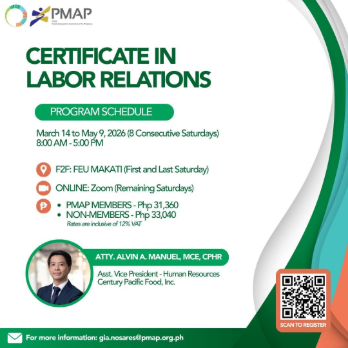
Certificate in Labor Relations
Overview and Educational Need
The Certificate in Labor Relations (CLR) aims to provide participants with a through appreciation and understanding of various legal provisions of the Labor Code that affect the employee’s pre-employment, employment, and post-employment status. It also covers various alternatives in handling labor relations issues.
Objectives
To master legal compliance, employee relations best practices, CBA negotiations, and progressive discipline to build harmonious, legally sound workplace environments.
Dates, Locations, and Frequency
- Dates: March 14 to May 9, 2026 (8 Consecutive Saturdays)
- Time: 8:00 AM to 5:00 PM
- Location: Face-to-Face: FEU Makati (First and Last Saturday) | ONLINE: Zoom (Remaining Saturdays)
Target Beneficiaries and Actual Reach
- People Management Association of the Philippines (PMAP) members
- Human Resource Professionals
- Professionals for Upskilling
- Career Shifters
- Newbie in Human Resource or Seasonal HR
Public Access and Fees
- PMAP Members – Php 31,360
- NON-Members – Php 33,040
Rates are inclusive of 12% VAT
Contact and Page Updates
- Email: gia.nosares@pmap.org.ph

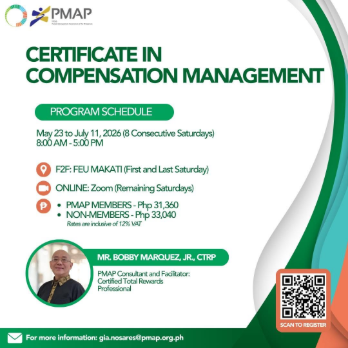
Certificate in Compensation Management
Overview and Educational Need
Attracting employees and retaining the good ones can largely be traced to how well compensation and benefits are managed and administered. Good compensation and benefits administration is more than ensuring internal and external consistency of salaries and wages. The Certificate in Compensation Management (CCM) will help the participants understand the importance of compensation as a major concern of management. This will also provide knowledge on the different factors involved in compensation and what job evaluation is and its various methods.
Objective
Build strategic capabilities in job evaluation, salary structuring, and benefits planning to establish competitive, equitable reward programs that drive employee retention.
Dates, Locations, and Frequency
- Dates: May 23 to July 11, 2026 (8 Consecutive Saturdays)
- Time: 8:00 AM to 5:00 PM
- Location: Face-to-Face: FEU Makati (First and Last Saturday) | ONLINE: Zoom (Remaining Saturdays)
Target Beneficiaries and Actual Reach
- People Management Association of the Philippines (PMAP) members
- Human Resource Professionals
- Professionals for Upskilling
- Career Shifters
- Newbie in Human Resource or Seasonal HR
Public Access and Fees
- PMAP Members – Php 31,360
- NON-Members – Php 33,040
Rates are inclusive of 12% VAT
Contact and Page Updates
- Email: gia.nosares@pmap.org.ph

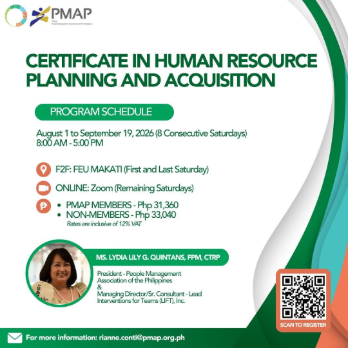
Certificate in Human Resource Planning and Acquisition
Overview and Educational Need
The Certificate in human Resource Planning and Acquisition (CHRPA) introduces the value of manpower planning as a strategic business tool that goes beyond mere forecasting of numbers and recruitment as more than just hiring people.
Objective
This course enhances strategic capabilities in aligning organization design with workforce planning and end-to-end talent acquisition. The participants will master advanced recruitment and selection strategies, evidence-based interviewing techniques, and structured placement, induction, and integration frameworks to build resilient talent pipelines, accelerate new hire time-to-value, and drive organizational performance.
Dates, Location, and Frequency
- To empower Human Resource practitioners with comprehensive strategies for training needs analysis, module design, program facilitation and earning management to elevate organizational capability and employee performance.
Target Beneficiaries and Actual Reach
- People Management Association of the Philippines (PMAP) members
- Human Resource Professionals
- Professionals for Upskilling
- Career Shifters
- Newbie in Human Resource or Seasonal HR
Public Access and Fees
- PMAP Members – Php 31, 360
- NON- Members – Php 33,040
Rates are inclusive of 12% VAT
Contact and Page Updates
- Email: rianne.conti@pmap.org.ph

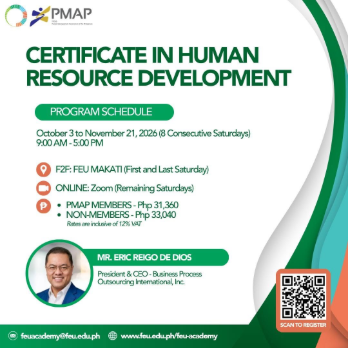
Certificate in Human Resource Development
Overview and Educational Need
The Certificate in Human Resource Development (CHRD) is a comprehensive course on the aspects of human resources development, the theories, methods, and research findings pertaining to improving the knowledge, attitudes, skills, and habits (KASH), levels of individuals and groups in various organizational settings; techniques and approaches on how to analyze training needs, design training modules, evaluate training interventions or programs and administer and manage the training function in an organization.
Objective
To empower Human Resource practitioners with comprehensive strategies for training needs analysis, module design, program facilitation and earning management to elevate organizational capability and employee performance.
Dates, Locations, and Frequency
- Dates: October 3 to November 21, 2026 (8 Consecutive Saturdays)
- Time: 9:00 AM to 5:00 PM
- Location: Face-to-Face: FEU Makati (First and Last Saturday) | ONLINE: Zoom (Remaining Saturdays)
Target Beneficiaries and Actual Reach
- People Management Association of the Philippines (PMAP) members
- Human Resource Professionals
- Professionals for Upskilling
- Career Shifters
- Newbie in Human Resource or Seasonal HR
Public Access and Fees
- PMAP Members – Php 31,360
- NON-Members – Php 33,040
Rates are inclusive of 12% VAT
Contact and Page Updates
- Email: feuacademy@feu.edu.ph
- Website: www.feuacademy.edu.ph/feu-academy

Course Refresher on Assessment and Facilitating Teaching-Learning (CRAFT)
Annual Implementations | 2024–2026
Implementing unit: Center for Teaching and Learning (CTL), Far Eastern University
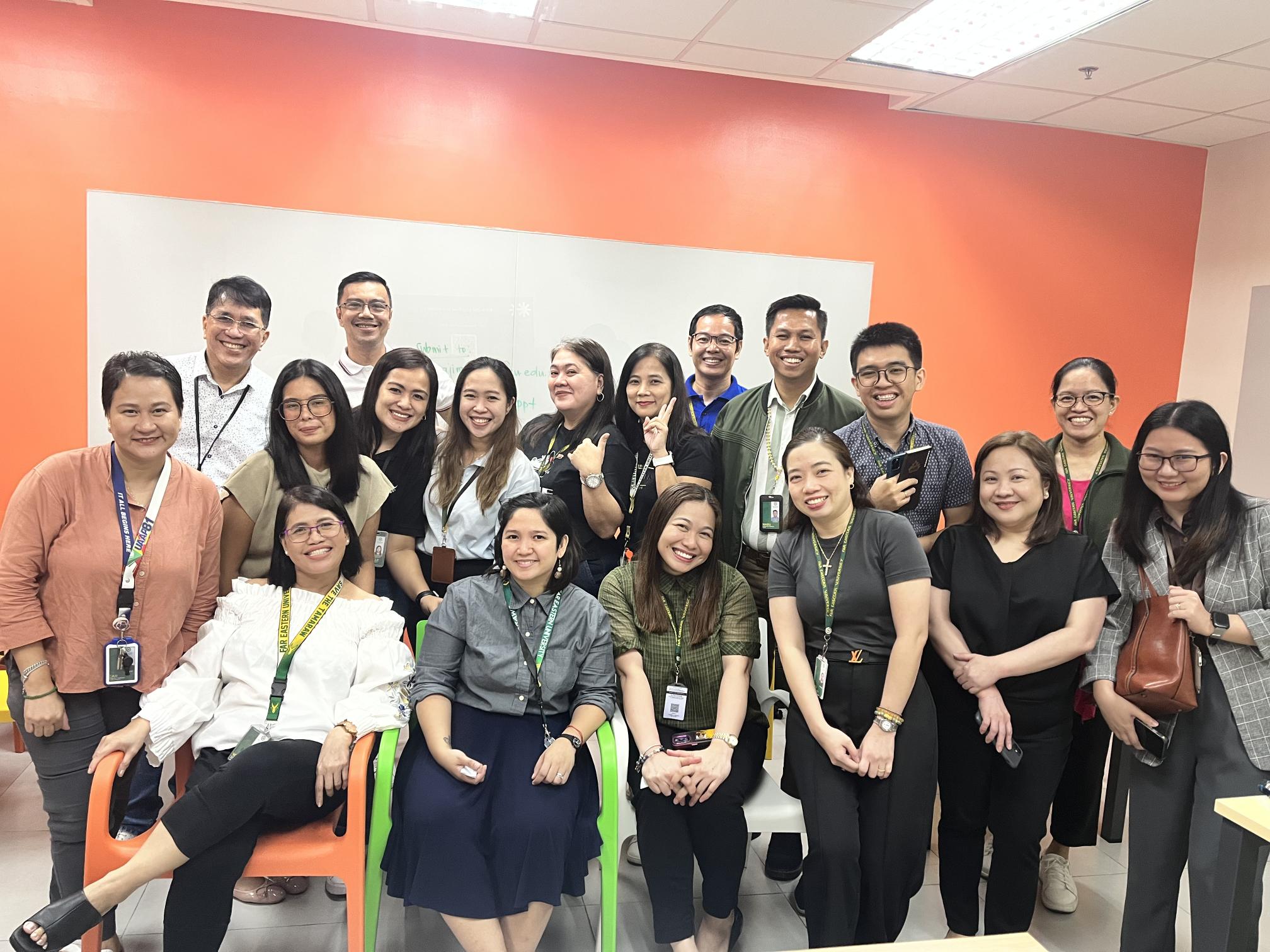
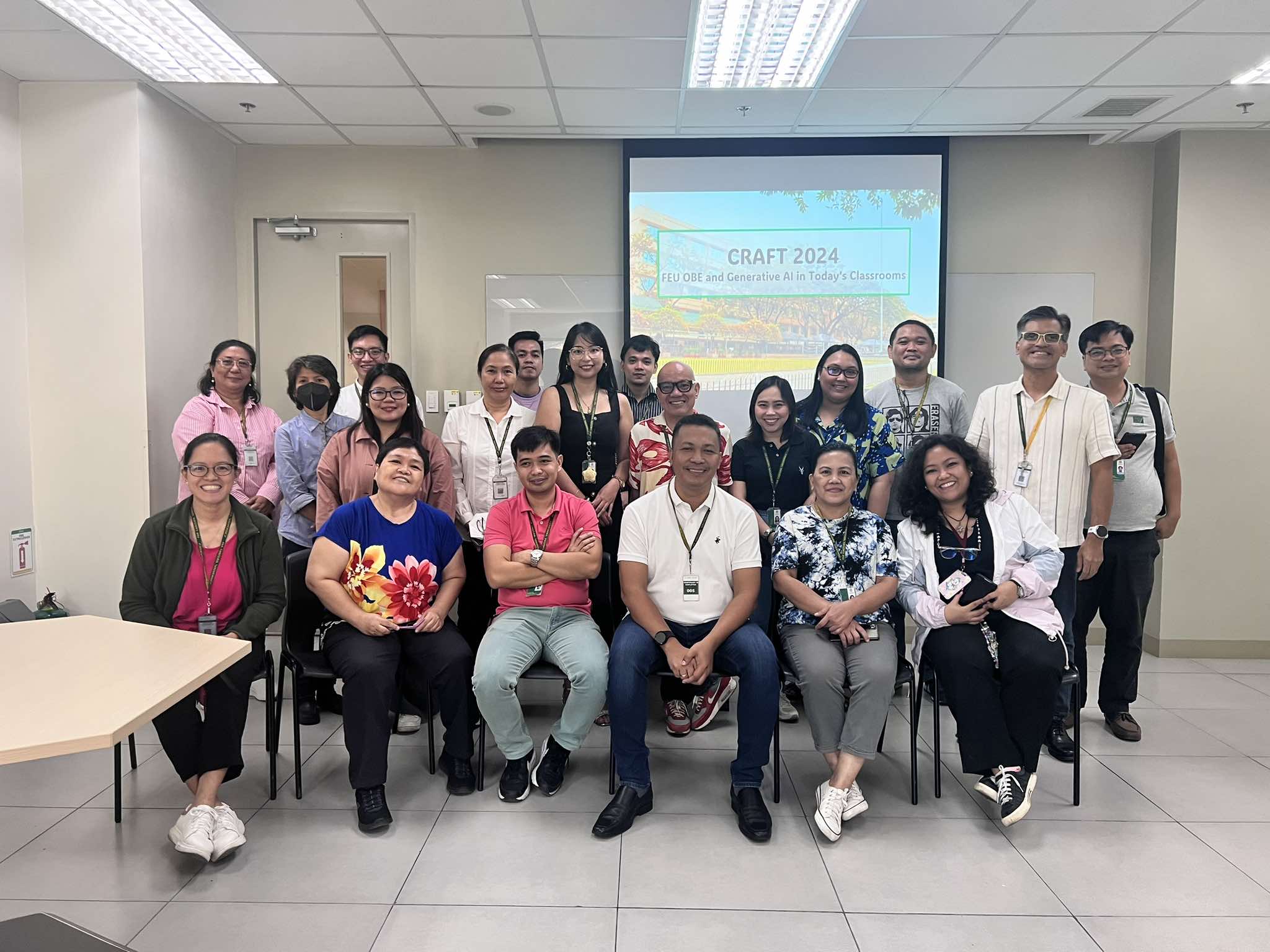
CRAFT 2024 (371 attendees)
1. Program/Project Title
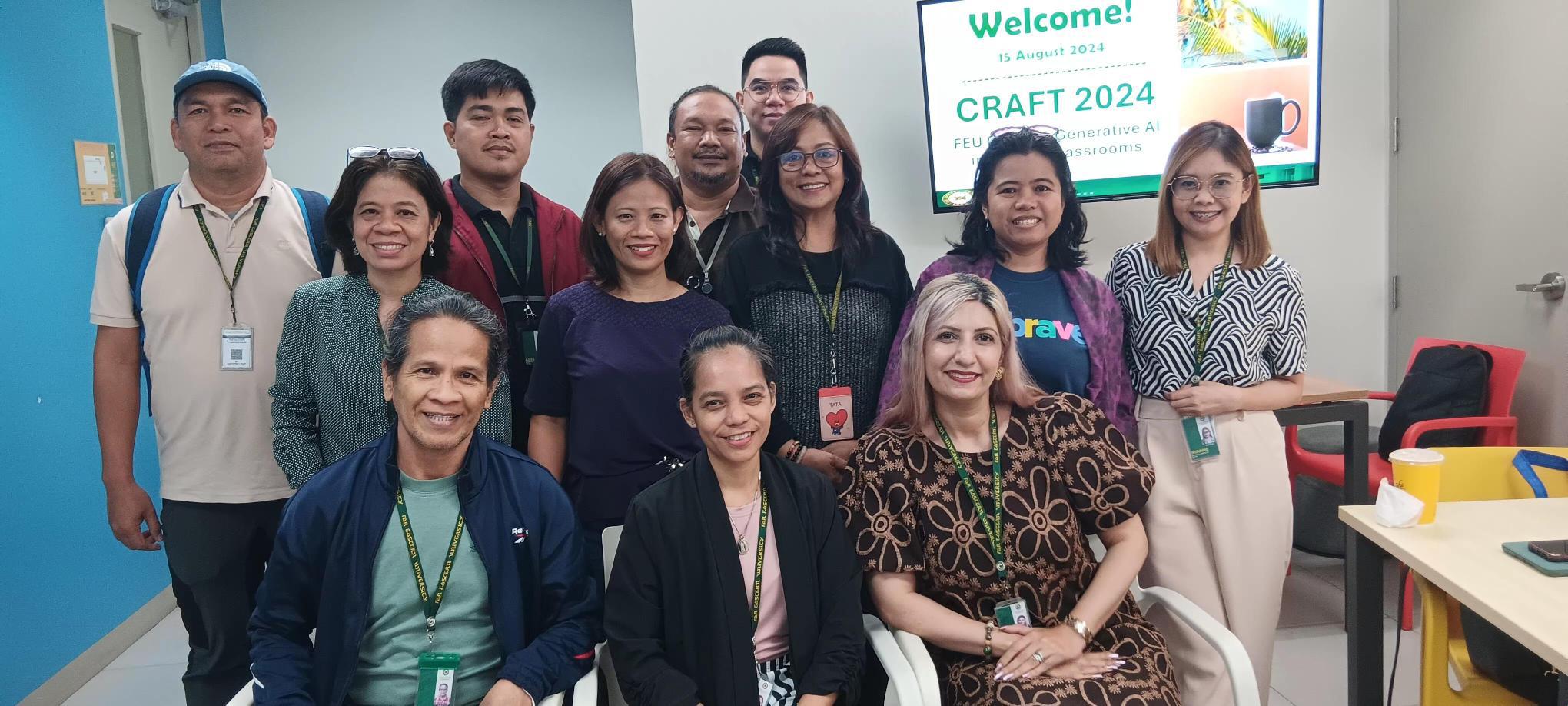
CRAFT 2024: FEU OBE and Generative AI in Today’s Classrooms — Course Refresher in Assessing and Facilitating Teaching-Learning.
2. Overview and Educational Need
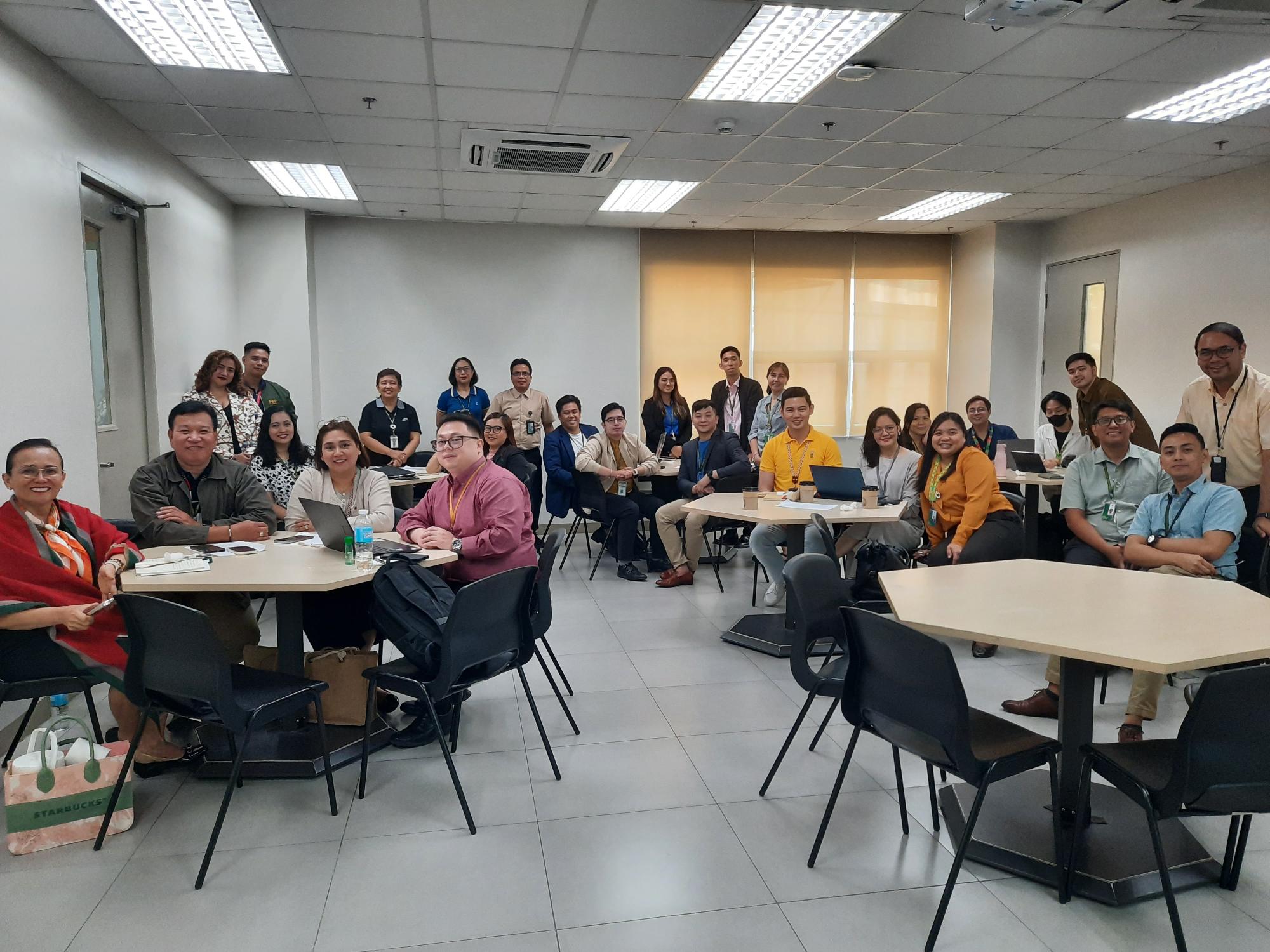
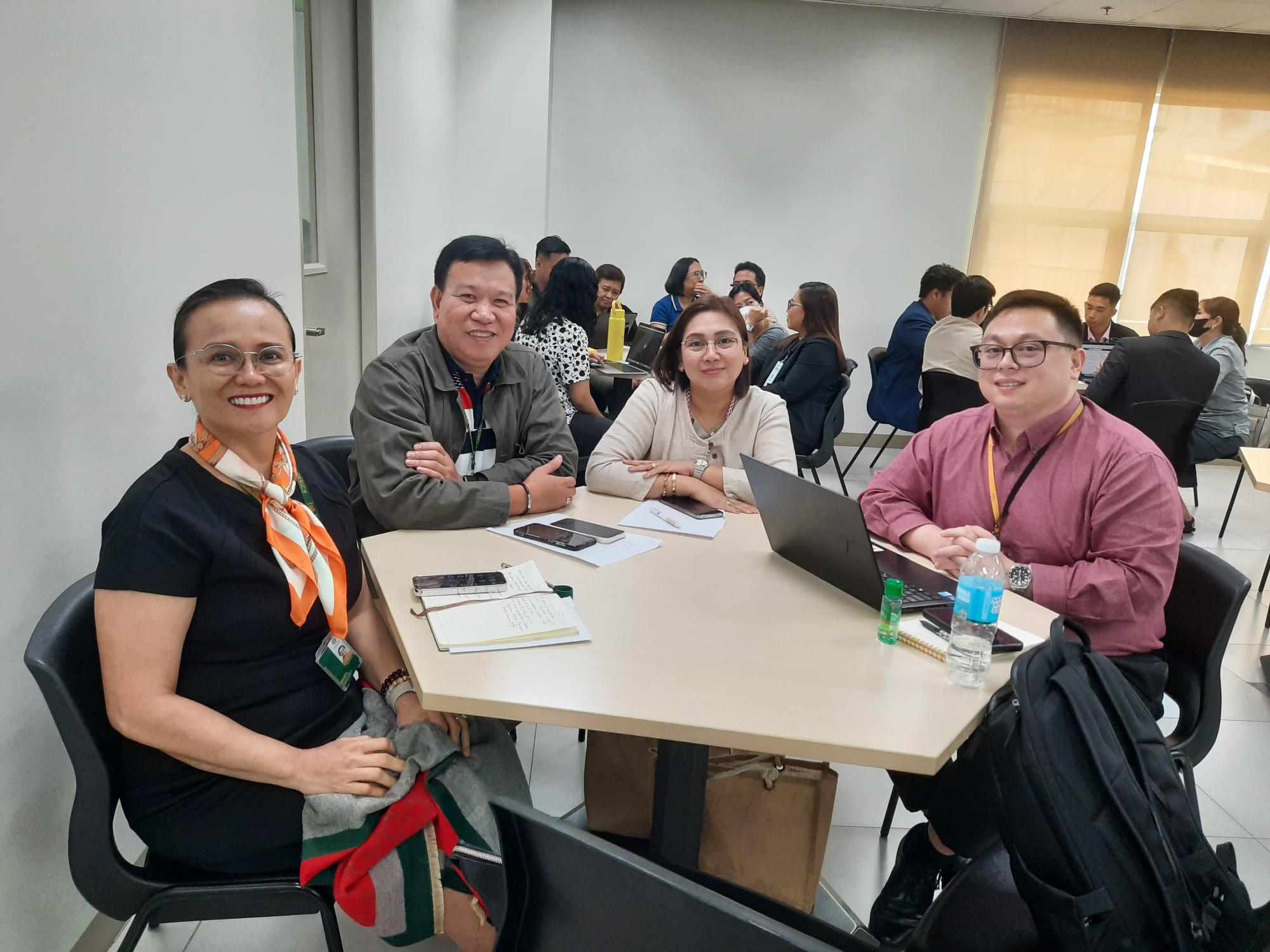
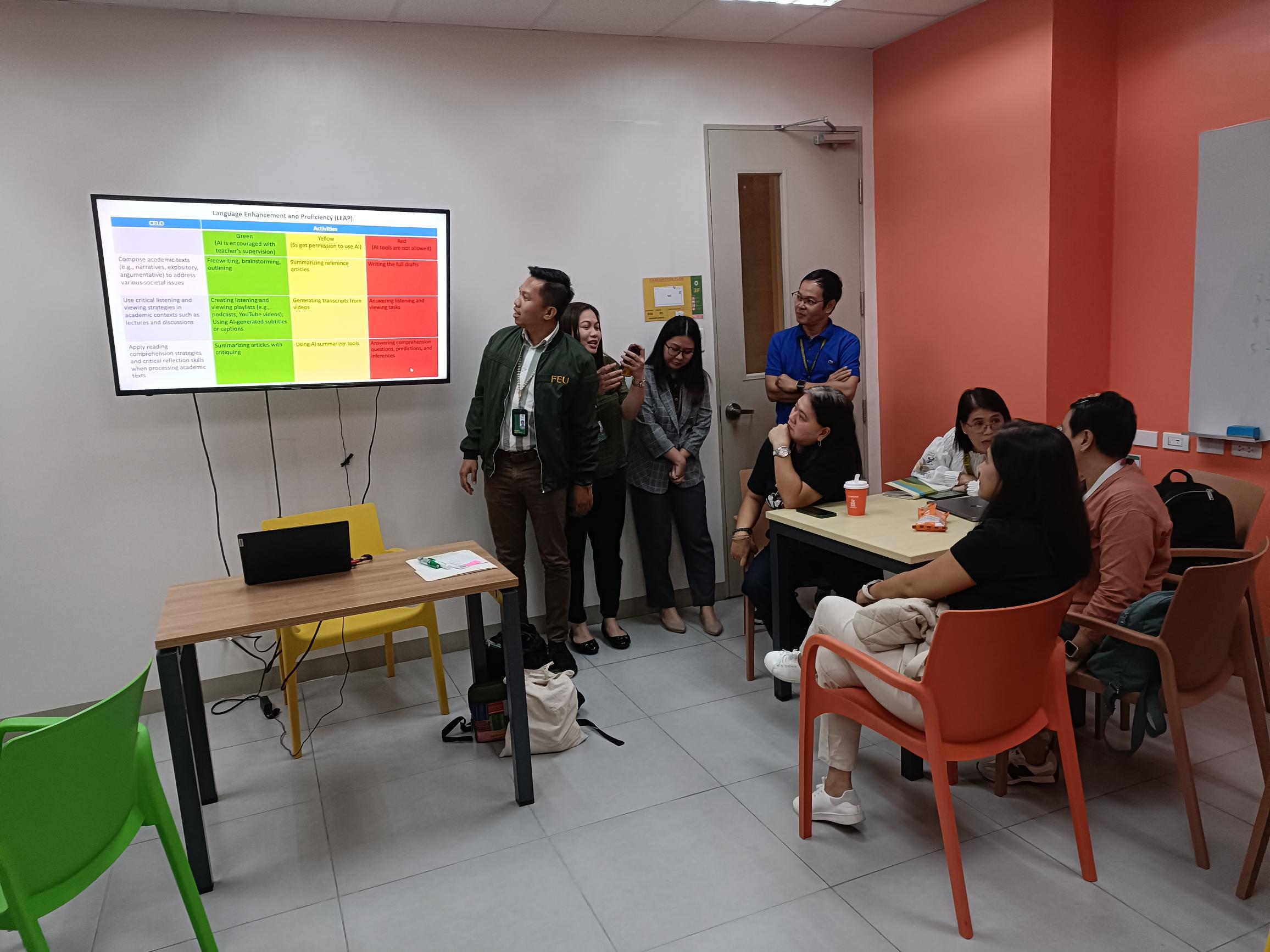
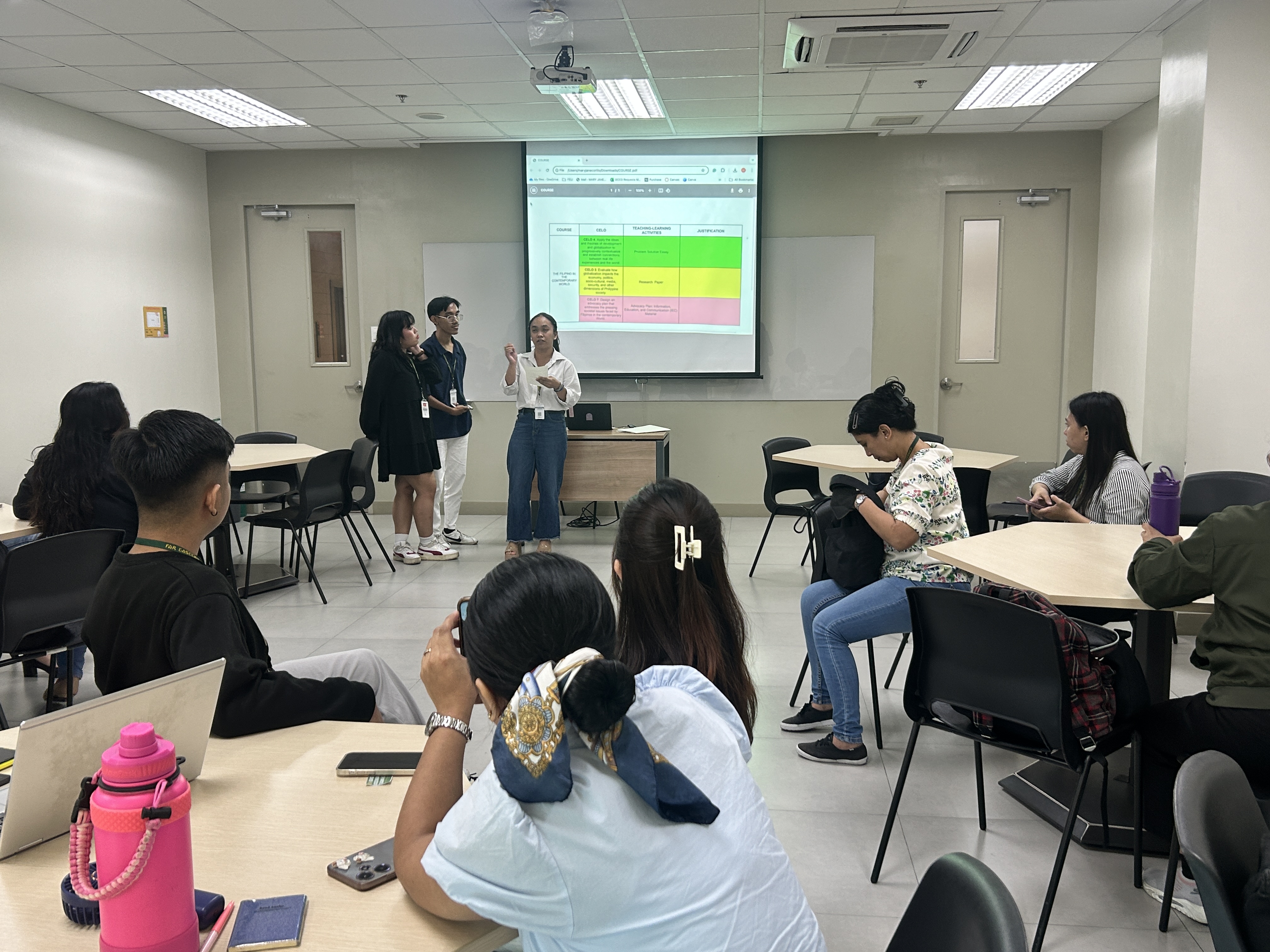
Organized by the Center for Teaching and Learning under the Academic Development Office, CRAFT 2024 addressed two instructional priorities: the implementation of FEU’s outcomes-based education (OBE) approach and faculty engagement with the emerging opportunities and challenges of generative AI. Facilitated breakout activities and expert plenary sessions created opportunities to reflect on the alignment of learning outcomes, instruction, assessment, and AI-supported learning experiences.
3. Objectives
- Strengthen faculty understanding and application of FEU outcomes-based education.
- Explore opportunities and tensions associated with generative AI in teaching and learning.
- Examine approaches to designing transformative AI-supported learning experiences.
- Encourage reflective collaboration on teaching, assessment, and constructive alignment.
4. Dates, Location, and Frequency
August 15, 2024 (Thursday), 9:30 AM–4:30 PM, including lunch break. Morning breakout sessions were held in FEUture Center rooms; afternoon plenary sessions were held in the Mini Auditorium, FEU Manila. One training day is documented in the supplied program.
5. Target Beneficiaries and Actual Reach
Target beneficiaries: FEU Manila faculty across disciplines.
6. Activities
| Time | Activity / Resource |
| 9:30 AM–12:00 PM | Breakout sessions: AI Creative Tensions and FEU OBE |
| 12:00–1:30 PM | Lunch break |
| 1:30–3:00 PM | AI-Powered Classrooms: Designing Transformative Learning Experiences with Generative AI — Dr. Hyunkyung Lee |
| 3:00–4:30 PM | OBE for Teaching and Learning — Joseph Jintalan |
7. Public Access and Fees
Internal training for faculty development. No fees.
8. Contact Information and Page Updates
Center for Teaching and Learning, Far Eastern University, FEU Manila. ctl@feu.edu.ph
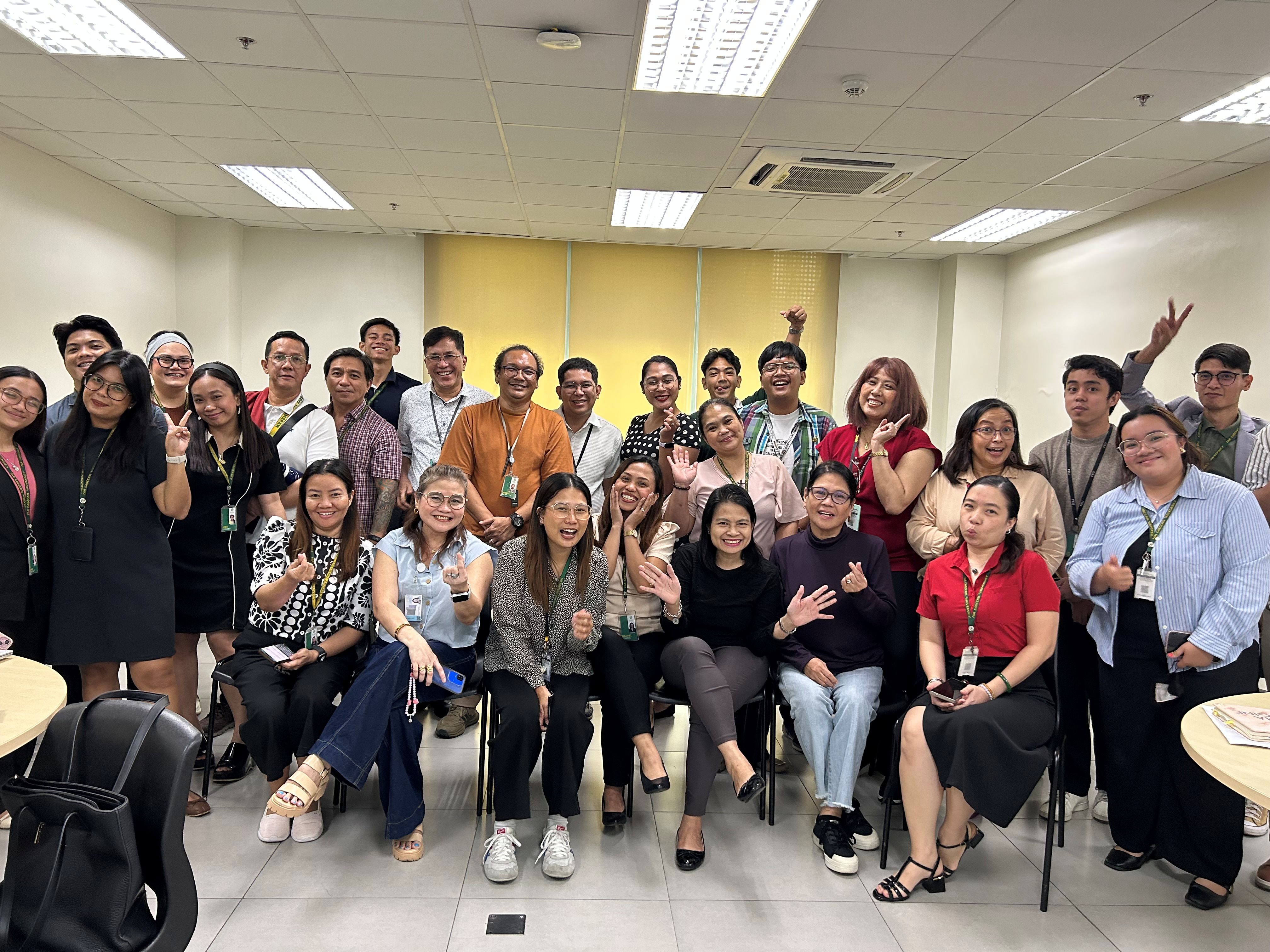
CRAFT 2025 (427 attendees)
1. Program/Project Title
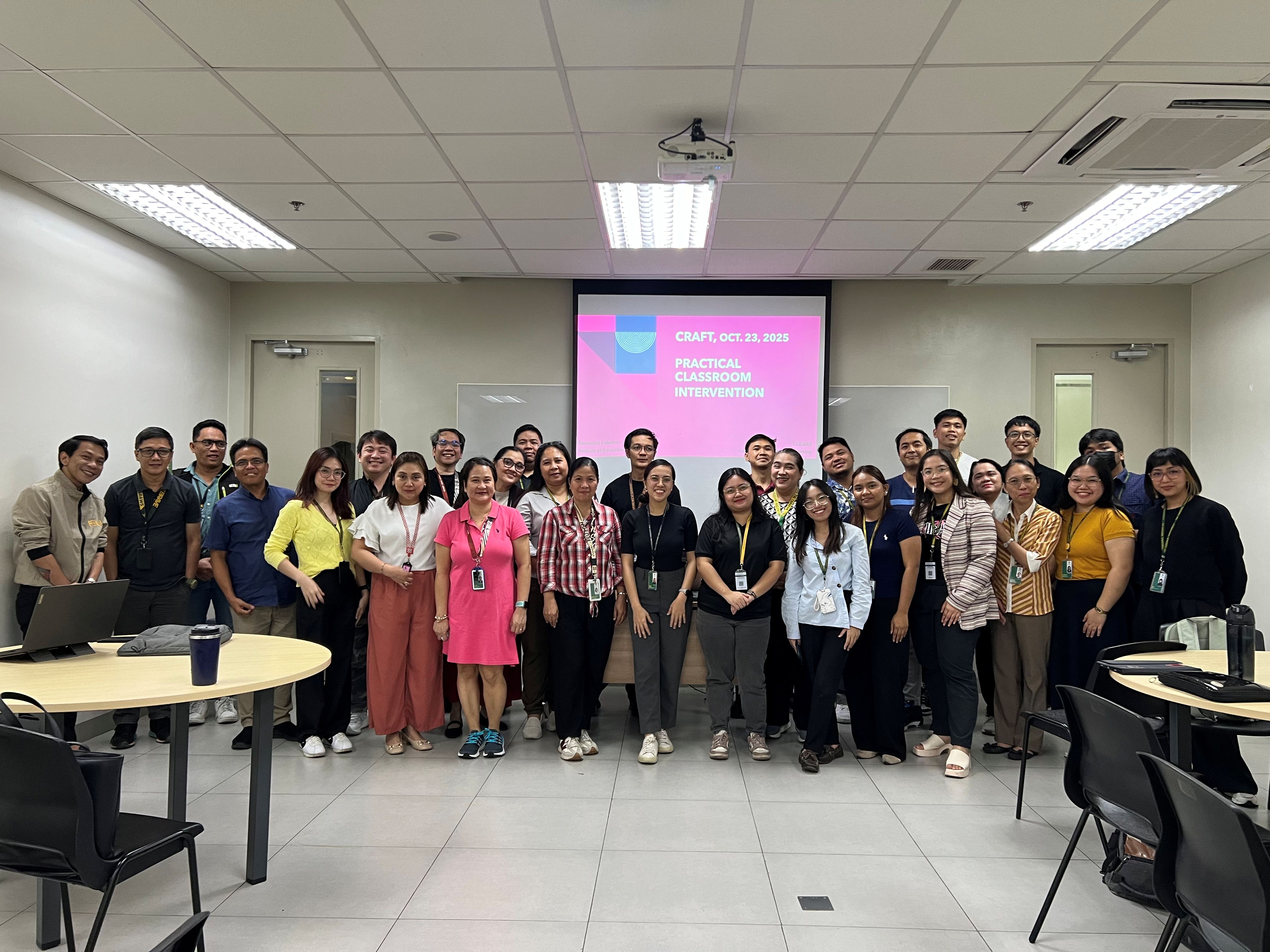
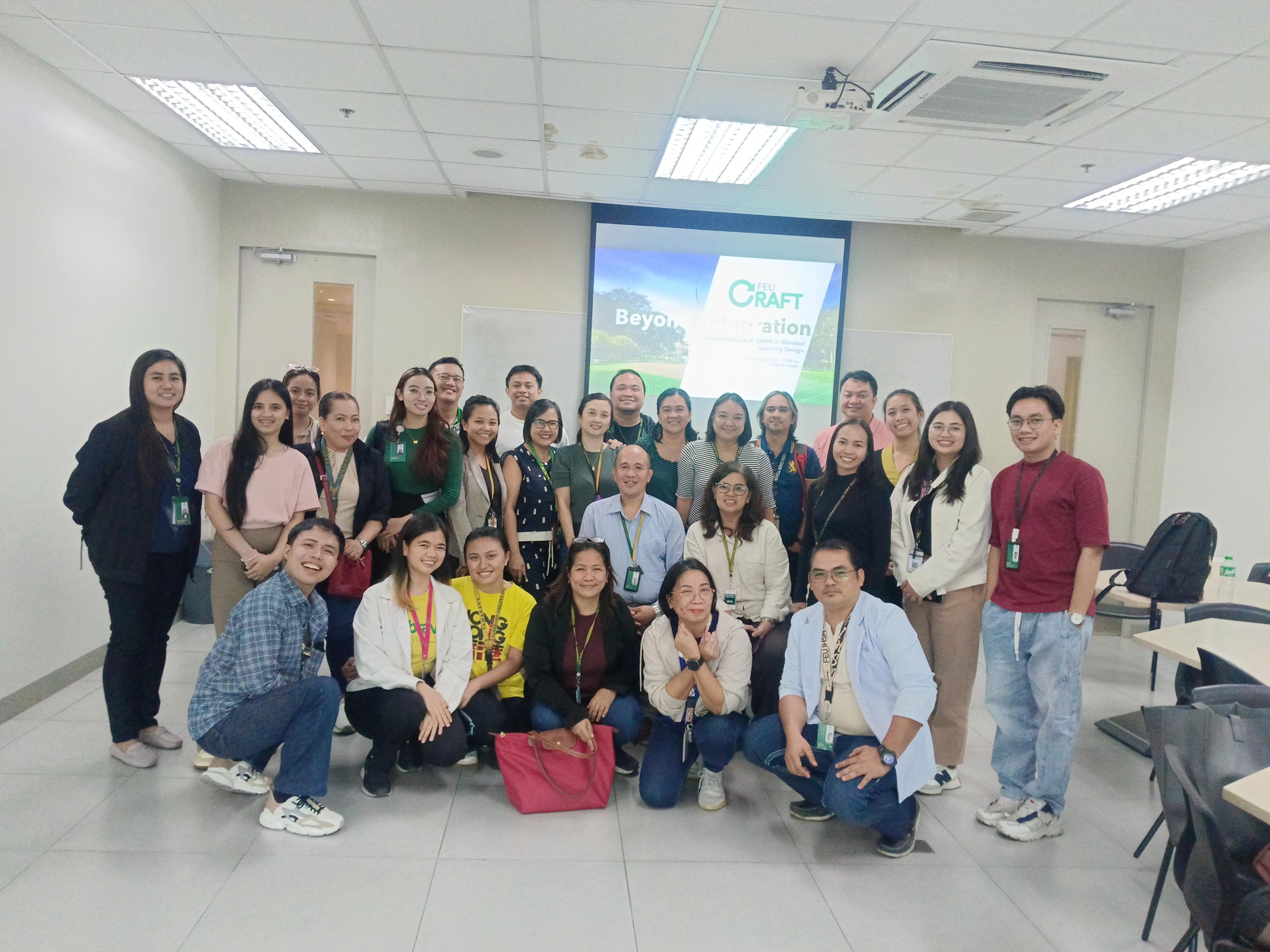
CRAFT 2025: Course Refresher in Assessing and Facilitating Teaching-Learning — An In-Service Training for FEU Manila Faculty, School Year 2025–2026.
2. Overview and Educational Need
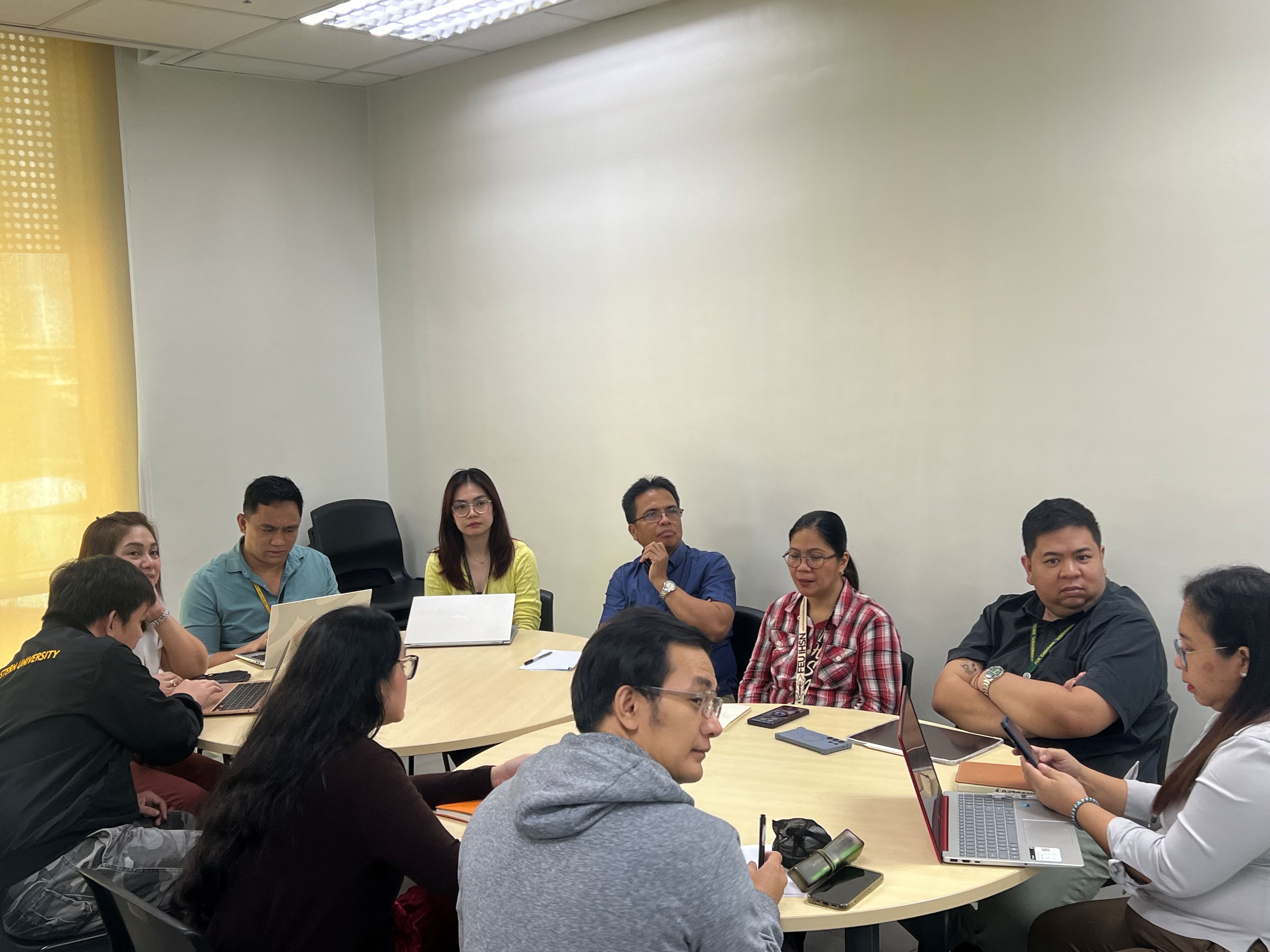
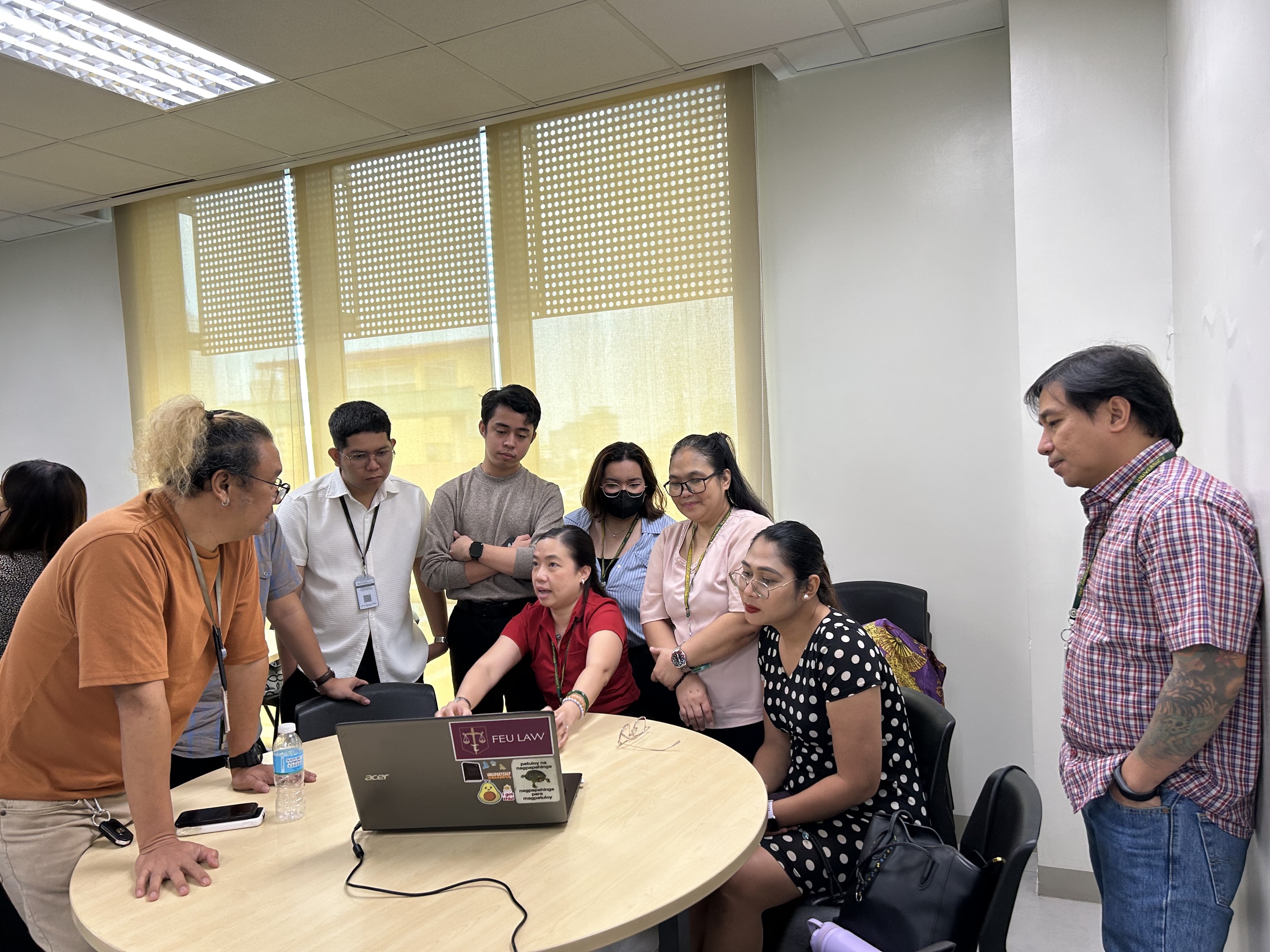
CRAFT 2025 focused on intentional blended learning design and practical classroom-based interventions. The morning session addressed the purposeful use of the Substitution, Augmentation, Modification, and Redefinition (SAMR) model beyond superficial technology integration. The afternoon session turned to classroom learning gaps and practical instructional responses. These topics support deliberate lesson design and responsive classroom practice.
3. Objectives
- Explain how the SAMR model can guide purposeful blended learning design.
- Identify opportunities to improve learning activities through intentional technology use.
- Recognize classroom learning gaps that call for intervention.
- Consider practical classroom-based responses to identified challenges.
4. Dates, Location, and Frequency
October 23, 2025 (Thursday); FEU Manila. One in-service training day is documented, with morning and afternoon breakout sessions.
5. Target Beneficiaries
Target beneficiaries: FEU Manila faculty.
6. Activities and Learning Resources
| Session | Topic |
| Morning breakout | Beyond Integration: Intentional Use of SAMR in Blended Learning Design |
| Afternoon breakout | Gaps to Gains: Practical Classroom-based Interventions |
7. Public Access and Fees
Internal training for faculty development. No fees.
8. Contact Information and Page Updates
Center for Teaching and Learning, Far Eastern University, FEU Manila. ctl@feu.edu.ph
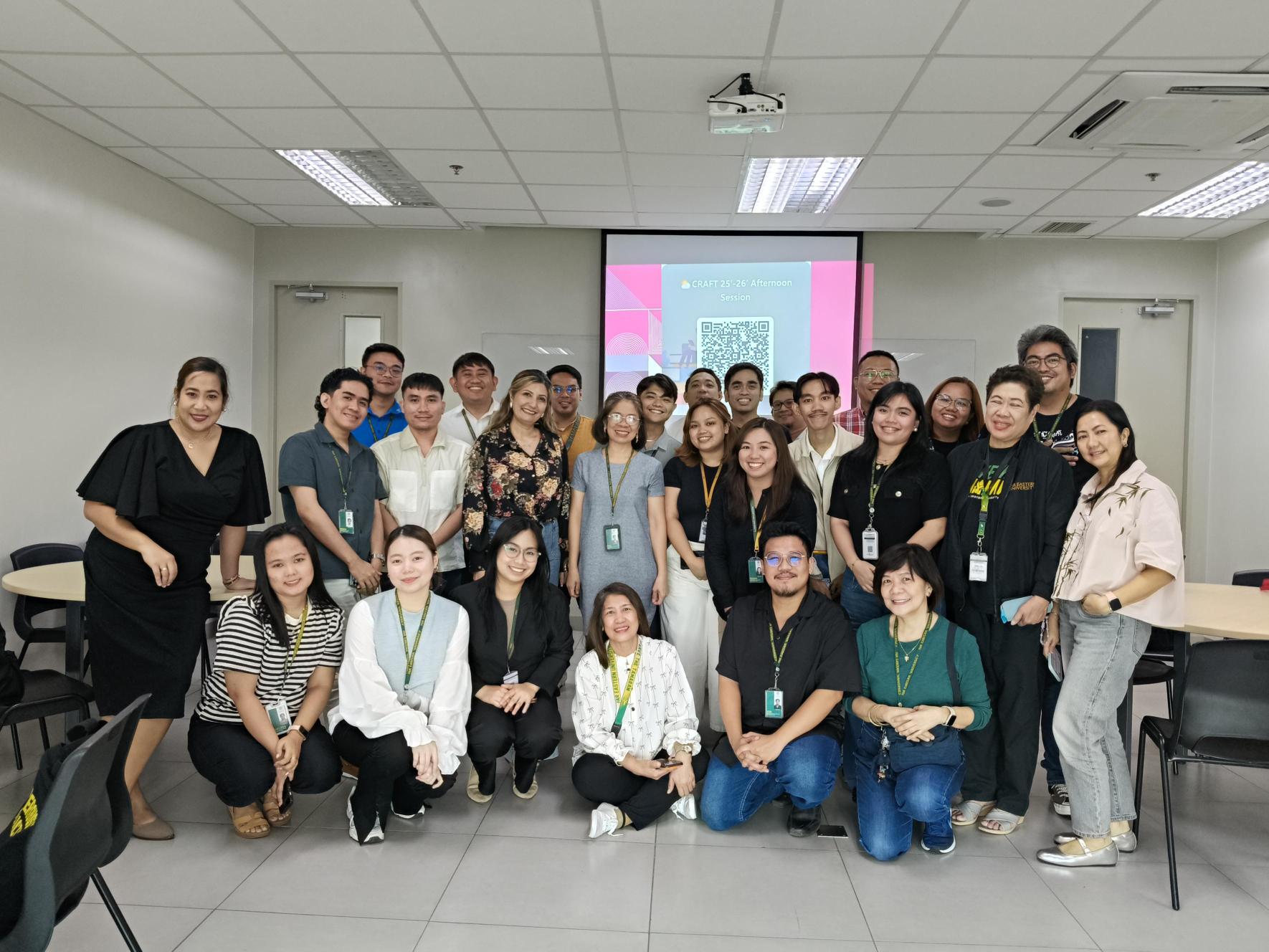
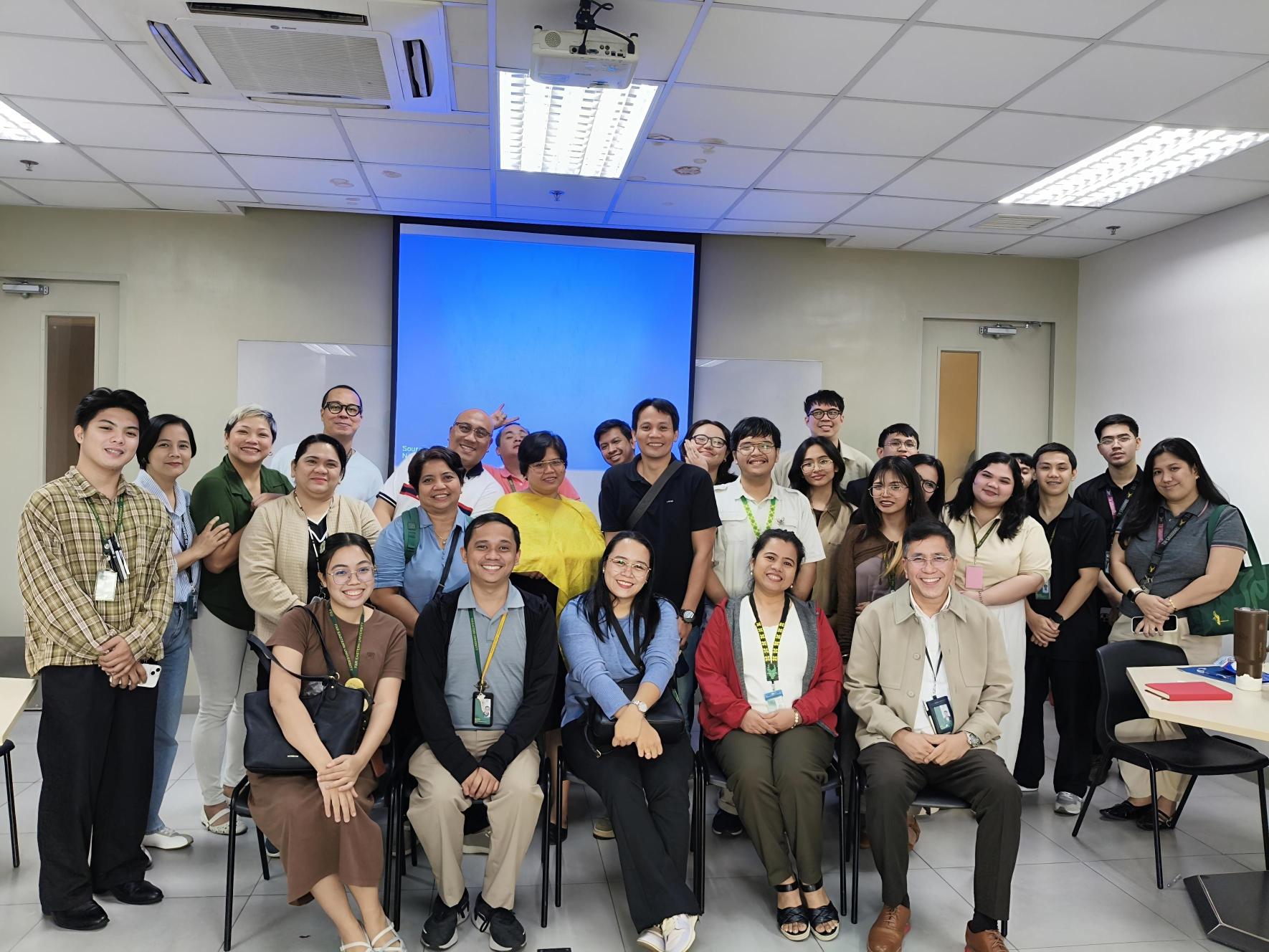
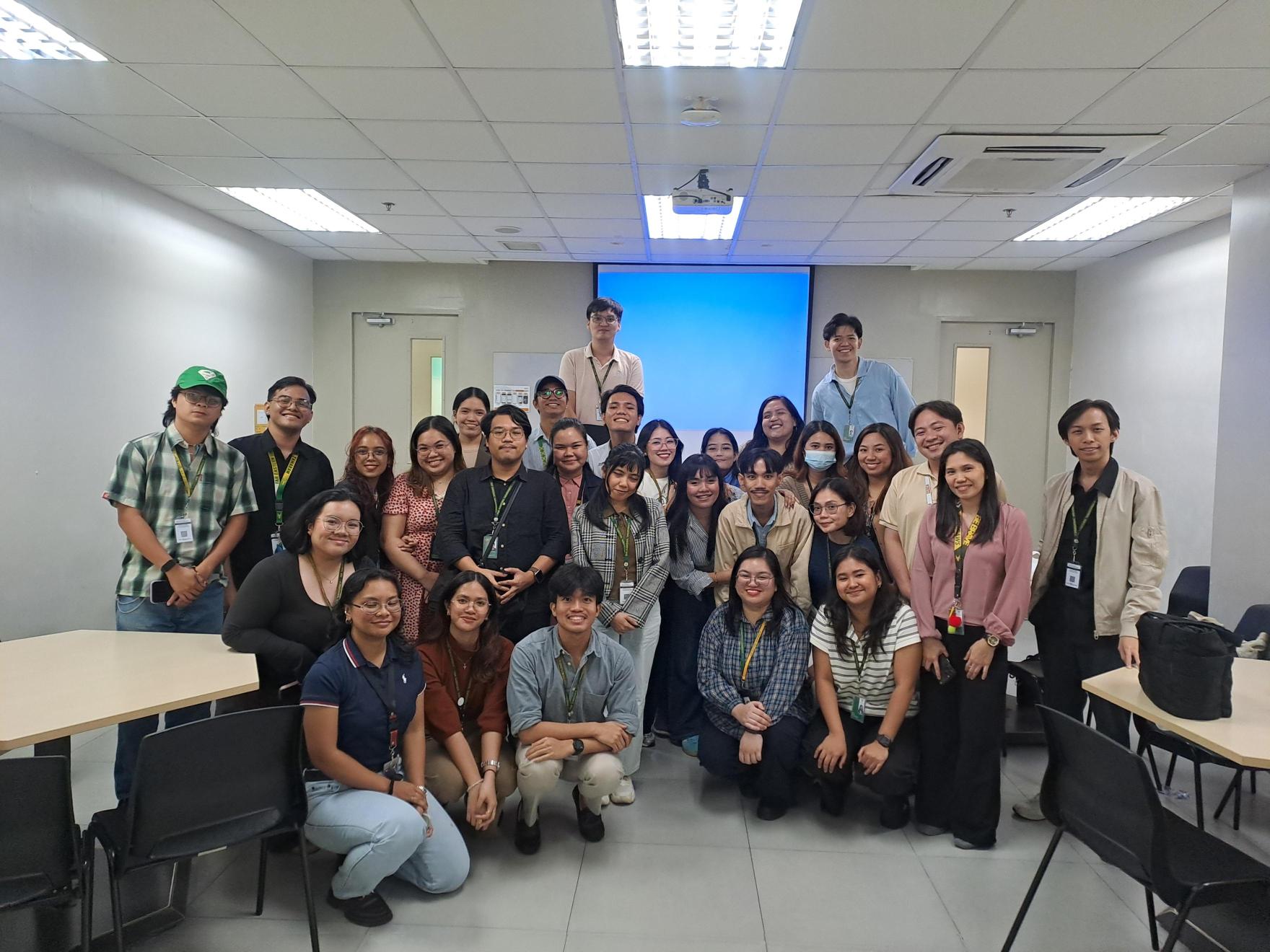
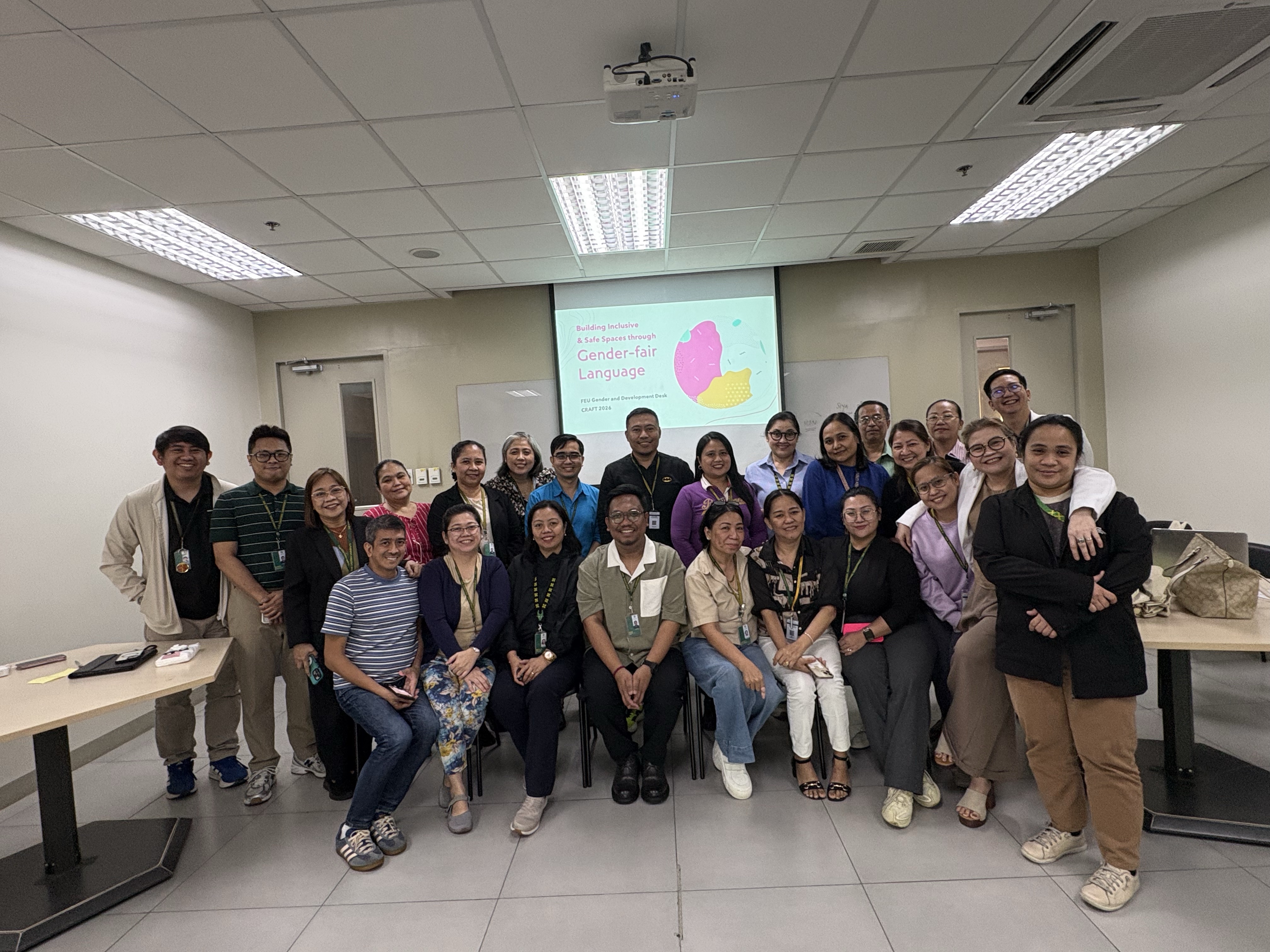
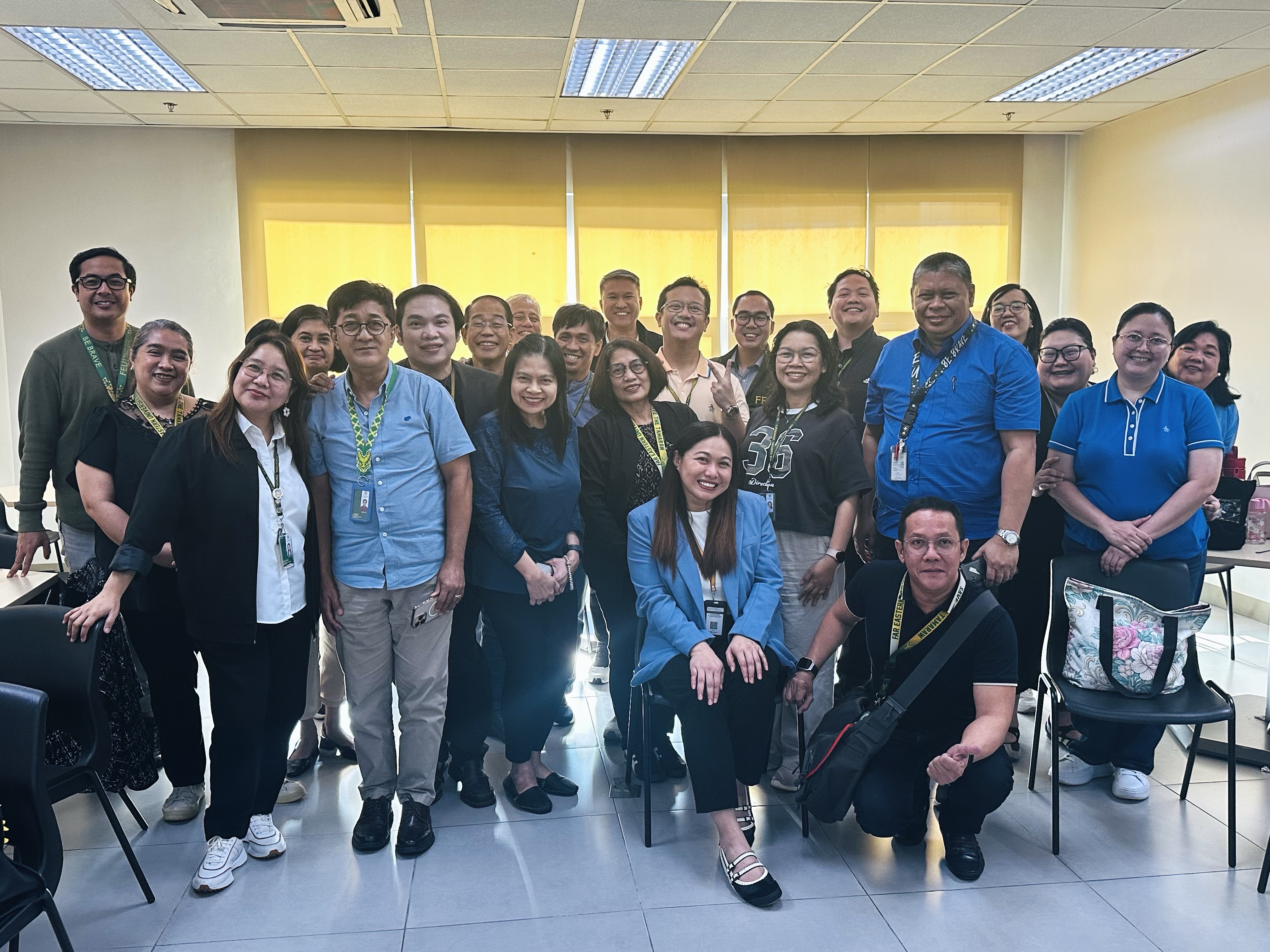
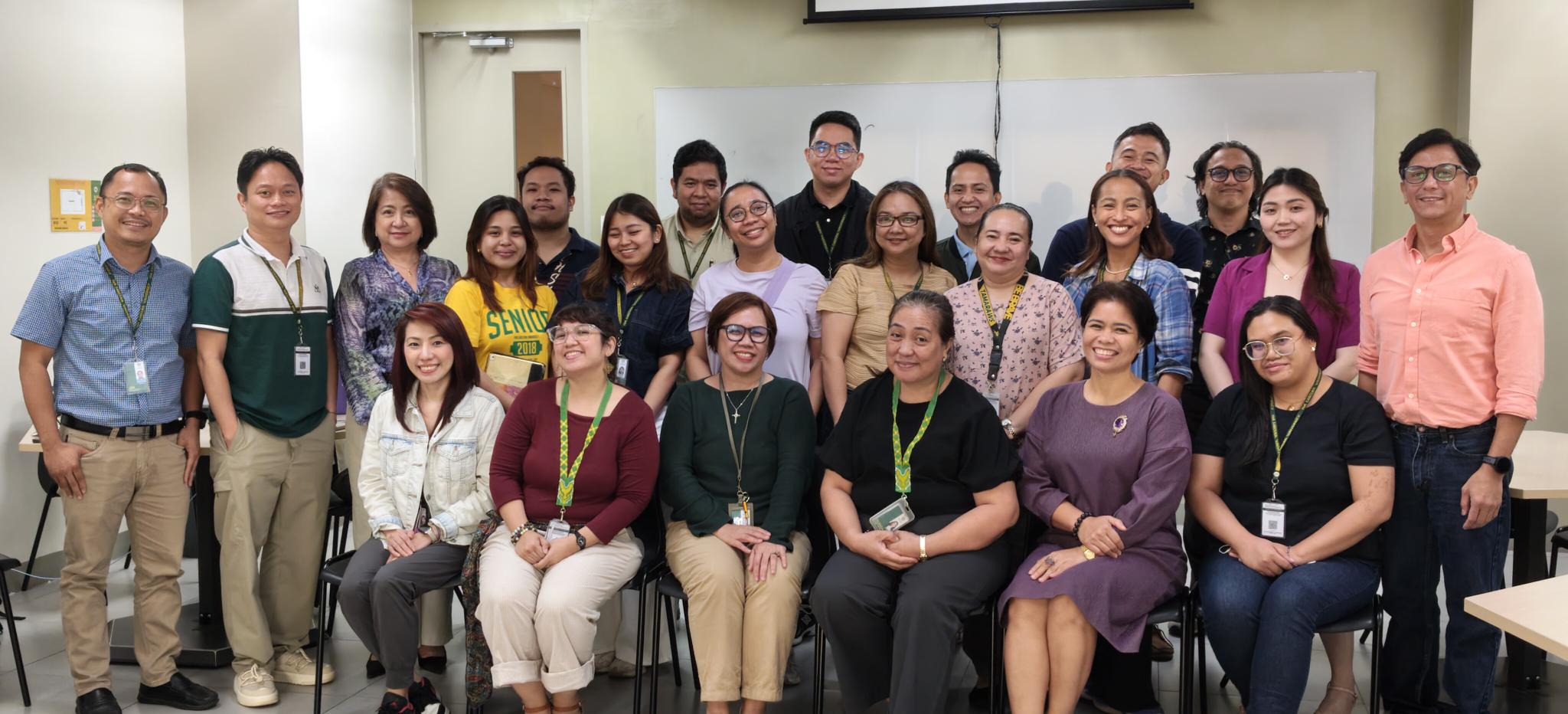
CRAFT 2026 (468 attendees)
1. Program/Project Title
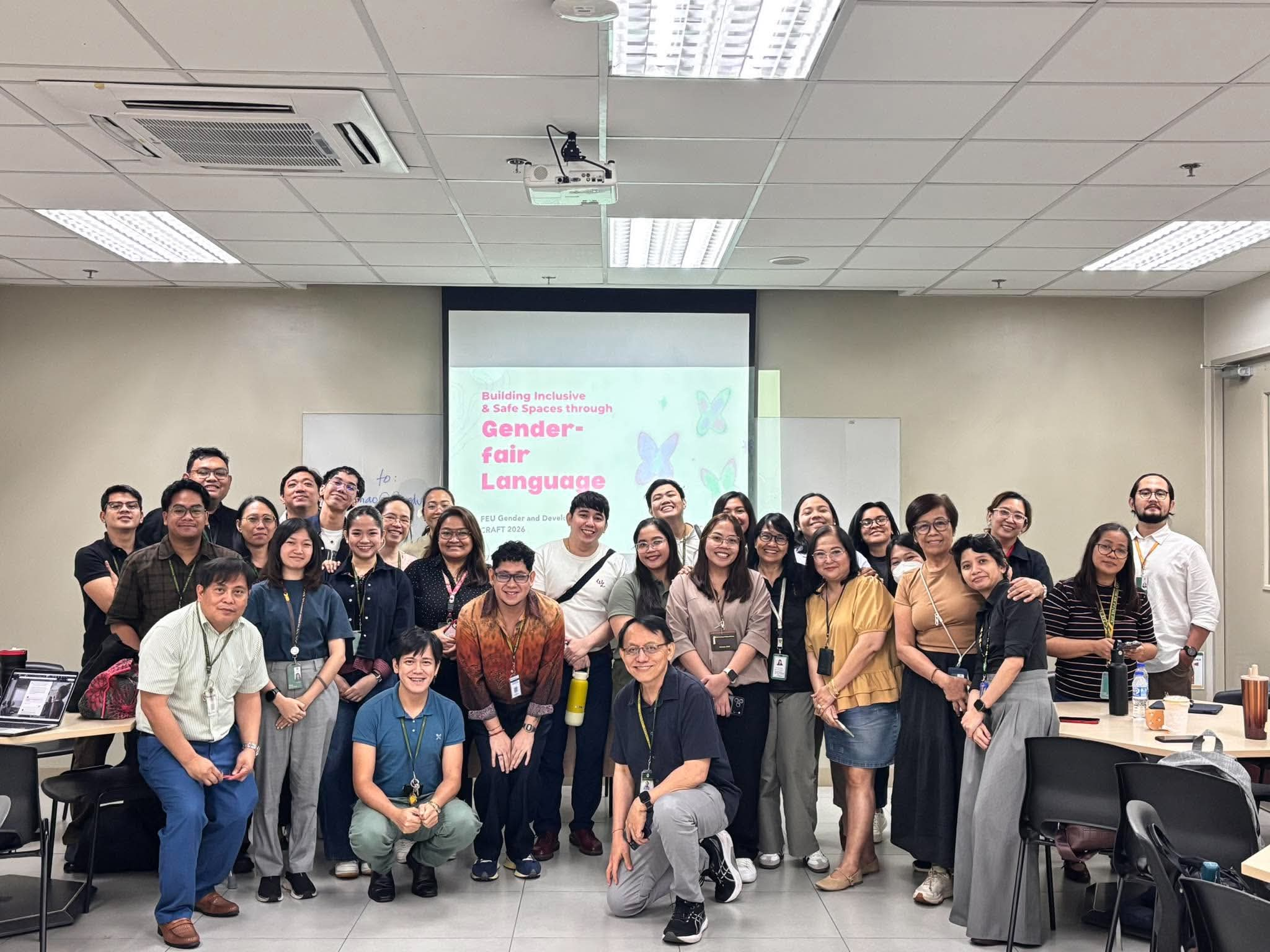
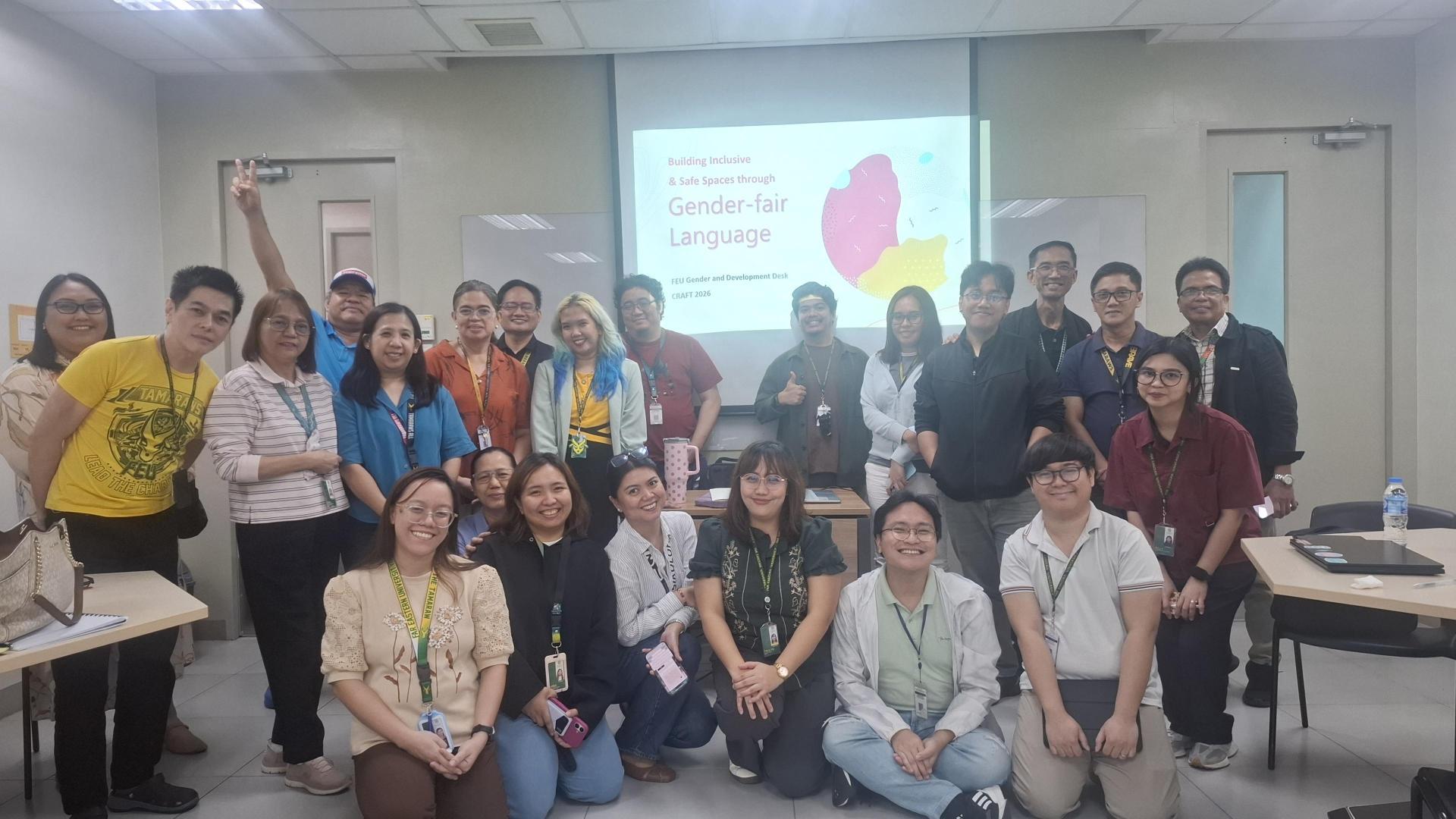
CRAFT 2026: Course Refresher on Assessment and Facilitating Teaching and Learning — CRAFT × Beyond Words: Creating Gender-Fair and Safe Classrooms.
2. Overview and Educational Need
CRAFT 2026 centered on authentic assessment and inclusive pedagogy. Its first session addressed assessment aligned with FEU Learning Outcomes (FEULO), including meaningful rubrics and constructive feedback guided by the Structure of Observed Learning Outcomes (SOLO) Taxonomy. The second session focused on gender-fair language, inclusive pedagogy, and safe classroom protocols. Together, these components sought to support more transparent, equitable, and impactful learning environments.
3. Objectives
- Design assessment strategies and rubrics aligned with FEU Learning Outcomes.
- Use SOLO Taxonomy to inform feedback on students’ demonstrated understanding.
- Apply inclusive and gender-fair language and pedagogical practices.
- Identify appropriate safe classroom protocols and practices.
4. Dates, Location, and Frequency
October 19, 2026 (Monday), 9:00 AM–4:30 PM, with registration beginning at 8:30 AM and a lunch break. Venue: FEUture Center Building, FEU Manila. One training day with two major sessions.
5. Target Beneficiaries
Target beneficiaries: FEU faculty members and academic leaders.
6. Activities
| Time | Activity |
| 8:30–9:00 AM | Registration |
| 9:00 AM–12:00 PM | Making Learning Visible: FEULO-aligned Rubrics and Feedback through SOLO Taxonomy |
| 12:00–1:30 PM | Lunch break |
| 1:30–4:30 PM | Beyond Words: Creating Gender-Fair and Safe Classrooms |
7. Public Access and Fees
Internal training for faculty development. No fees.
8. Contact Information and Page Updates
Center for Teaching and Learning, Far Eastern University, FEU Manila. ctl@feu.edu.ph
Comparative Summary
| Area | 2024 | 2025 | 2026 |
| Main priority | OBE and generative AI | SAMR, blended design, interventions | SOLO feedback, rubrics, inclusive pedagogy |
| Format | 21 breakout groups + plenary | Morning / afternoon breakouts | Two major sessions |
| Learning-resource evidence | QR-linked readings | Not identified in flyer | Canvas |
| Verified attendance | Not provided | Not provided | Not provided |
| Fees / external access | Not confirmed | Not confirmed | Not confirmed |
Bacolod Chicken Inasal SAGAD Training: Customer Relations and Skills
Overview and Educational Needs
The Bacolod Chicken Inasal SAGAD training: Customer Relation and Skills Training (Batch 1) was a two-day intensive program conducted by FEU Academy. The training focused on the strength of operational service standards, customer relations, professionalism, and teamwork through classroom discussion, demonstrations, practical exercises, and service simulations. The program was developed to standardized service delivery and eliminate operational gaps across Bacolod Chicken Inasal branches. The Key areas requiring reinforcement included consistent execution of the eight-step dine-in service sequence, strict adherence to established mise en place standards, personalized suggestive selling, and proper escalation procedures for service recovery. It was designed for both frontline staff and branch management, the training aimed to master core service fundamentals and improve team condition through practical simulations to ensure a uniform, high-quality quest experience
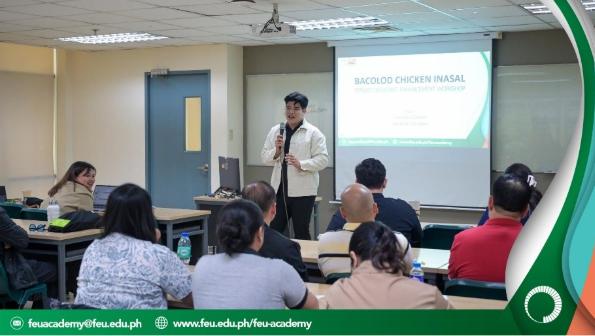
Objectives
To standardize dine-in service delivery and strengthen the core operational competencies across all branches location.
It also aims to align the frontline staff and branch management on the full eight-step dine-in service sequence, elevate customer relations and professionalism, refine suggestive selling techniques, ensure strict adherence to service standards, and build effective team coordination through hands-on practica; simulations.
Dates, Location, and Frequency
Batch: Batch 1
Training Dates: May 19 and 20, 2026
Training Duration: Two (2) Days
Venues:
- May 19, 2026 – Room 304, FEU Makati
- May 20, 2026 – Café Alfredo, FEU Makati
Batch: Batch 2
Training Dates: June 9 and 10, 2026
Training Duration: Two (2) Days
Venues:
- June 9, 2026 – Room 304, FEU Makati
- June 10, 2026 – Café Alfredo, FEU Makati
Batch: Batch 3
Training Dates: June 22 and 23, 2026
Training Duration: Two (2) Days
Venues:
- June 22, 2026 – Room 304, FEU Makati
- June 23, 2026 – Café Alfredo, FEU Makati
Batch: Batch 4
Training Dates: July 7 and 8, 2026
Training Duration: Two (2) Days
Venues:
- July 7, 2026 – Room 304, FEU Makati
- July 8, 2026 – Café Alfredo, FEU Makati
Target Beneficiaries and Actual Reach
- Frontline Restaurant Operations Personnel
- Branch supervision and leadership
- Corporate and multi-unit management
Actual Reach
- Batch 1: 26 participants
- Batch 2: 29 participants
- Batch 3: 30 participants
- Batch 4: 31 participants
Public Access and Fees
- Php 2,000 per person
Rates are inclusive of 12% VAT
Contact and Page Updates
- Facebook: Bacolod Chicken Inasal
- Website: bacolodchickeninasal.com
ChemHub
Overview and Educational Needs
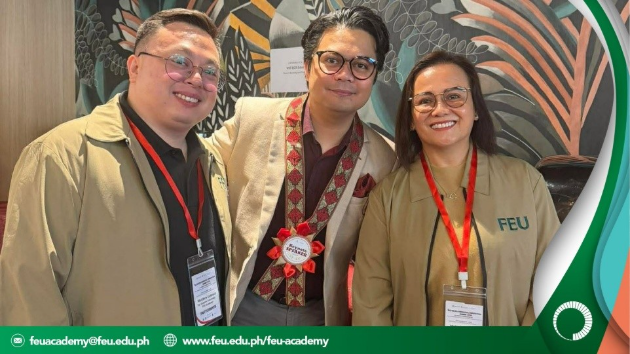
The Corporate Ethics and Professional Development Training for Chemhub Technologies was a program conducted by FEU Academy and FEU Makati. Through discussions and practical activities, the training focused on strengthening corporate ethics, workplace professionalism, integrity, accountability, and effective communication.
The training was developed to address organizational needs at Chemhub Technologies for strong ethical standards, active listening, and clear communication frameworks. It aimed to equip personnel with practical tools for integrity, transparency, trust building, and appropriate workplace conduct.
Objectives
The objective is to strengthen the worplace integrity, accountability, and professional communication across Chemhub Technologies by reinforcing corporate ethics and conduct, promoting transpaency, and trust, embedding core communication frameworks, and equipping employees with practical tools to navigate daily workplace situations ethically and professionally.
Dates, Location, and Frequency
- Dates: July 2, 2026
- Location: FEU Makati, Room 304
- Target Beneficiaries and Actual Reach: 25 participants from Chemhub Technologies
Contact and Page Updates
- Contact number: +63 2 8352-7912
Building the Foundation: Developing Laiya’s Champions
Overview and Educational Need
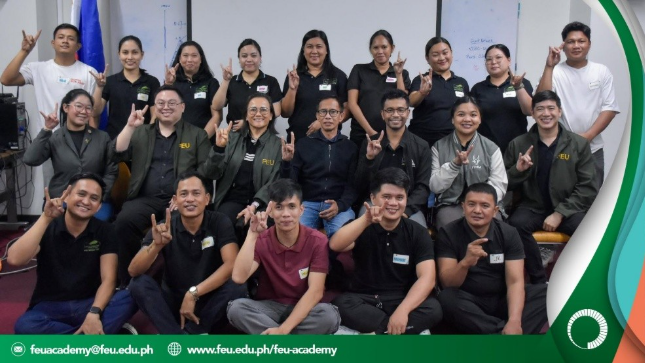
The Building the Foundation: Developing Laiya’s Champions training program was a tw-day intensive initiative conducted by FEU Academy in partnership with the FEU Manila Institute of Tourism and Hotel Management. Facilitated by lead trainers, the program brought together participants representing various operational and administrative functions within Laiya Gourmet Corporation. The training focused on strengthening the knowledge, skills, and service practices in catering and events operations through classroom discussions, practica; exercises, written evaluations, and full service simulations. The program concluded with a formal closing ceremony featuring messages from leadership, the presentation of special awards for outstanding performance, and the awarding of certificates of completion.
The training was developed to establish consistent service execution, enhance operational excellence, and unify standards across catering and event operations. Specific areas requiring reinforcement including mastering the end-to-end event service flow, proper guest handling, handling customer complaints, floor maintenance, and improve cross-functional teamwork. Tailored for both frontline staff and administrative personnel, the program aimed to equip participants with critical thinking, problem-solving skills, and practical tool to ensure high-quality, adaptable, and professional service delivery
Objectives
to equip HR leaders and OD practitioners with fundamental frameworks, diagnostic tools, change management strategies, and evaluation methods to drive and sustain meaningful organizational transformation.
Dates, Location, and Frequency
Batch: Batch 1
Training Dates: August 15 and 22, 2026
Venues:
- August 15, 2026 – Occupational Safety and Health Center, Quezon City
- August 22, 2026 – Café Alfredo, FEU Makati
Target Beneficiaries and Actual Reach
- Operational and administrative departments within Laiya Gourmet Corporation
- Encompassing frontline catering/event staff
- Logistics
- Administration
- Supervisory Leadership
Contact and Page Updates
- Contact: 284216801
- Email: marketing.laiyagourmet@gmail.com
- Facebook: Laiya Gourmet Catering and Events
Far Eastern University (FEU) maintains an extensive art collection featuring historic and contemporary works by renowned Filipino artists—including National Artists Botong Francisco and Vicente Manansala—as well as international masters. Six historic buildings on the FEU Manila campus are officially designated as National Cultural Treasures under NCCA Museum Declaration-1-2018.
The collection is a permanent, ongoing exhibition integrated into daily campus life. The physical artwork is located throughout various buildings and open grounds at FEU Manila, situated on Nicanor Reyes Street, Sampaloc, Manila. In addition to physical campus displays, the university provides permanent, continuous access through a searchable online digital catalog.
The collection serves university faculty, staff, academic researchers, art historians, and external cultural visitors. Through its open campus environment and public digital portal, the collection reaches thousands of students annually alongside members of the general public.
Public Access and Fees
The FEU Art Collection is open to university students, faculty, staff, and external visitors. Access to the online digital collection catalog is freely available to the public without registration requirements or participation fees.
Quick Link: https://www.feu.edu.ph/feu-art-collection/
Aral Program (Oplan Pagpapabasa at Papapabilang)
Overview and educational need
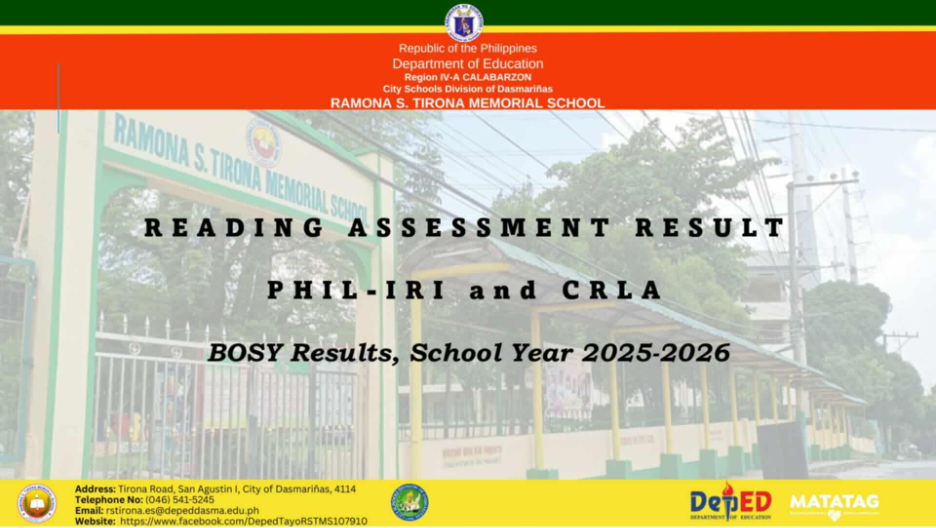
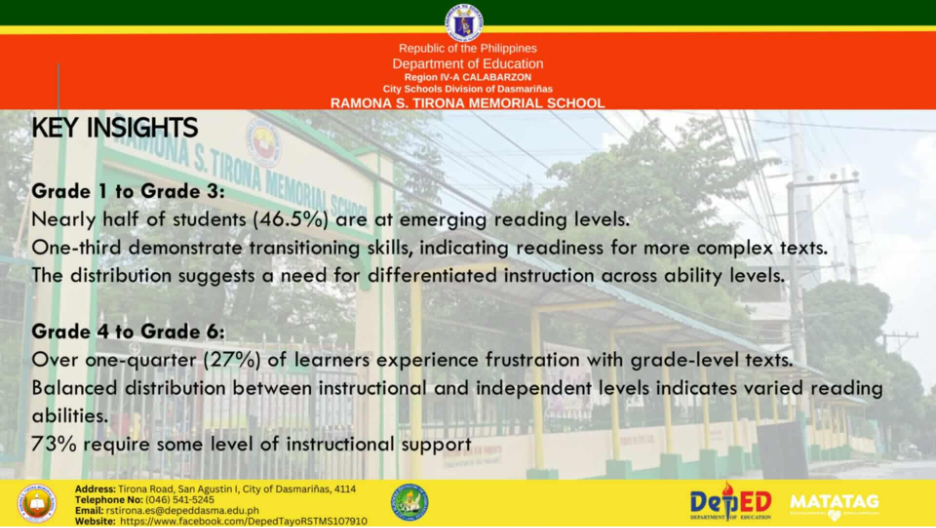
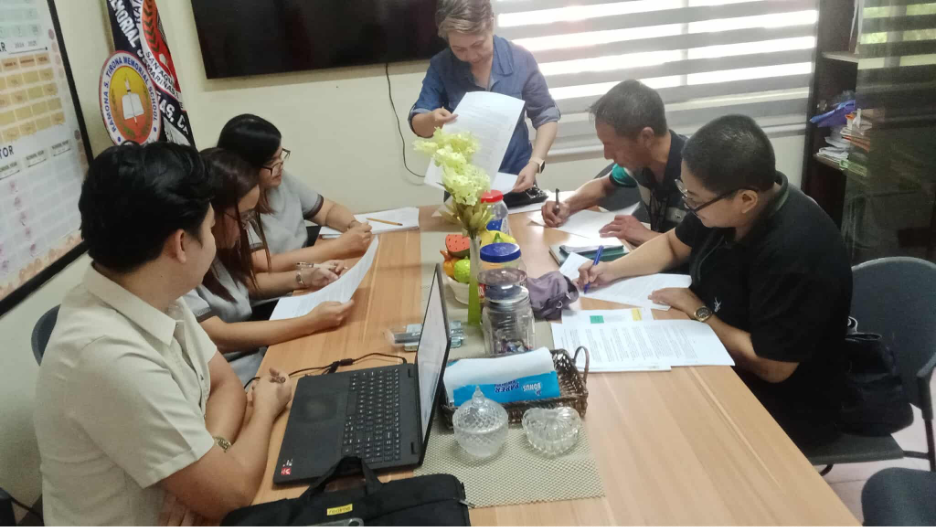
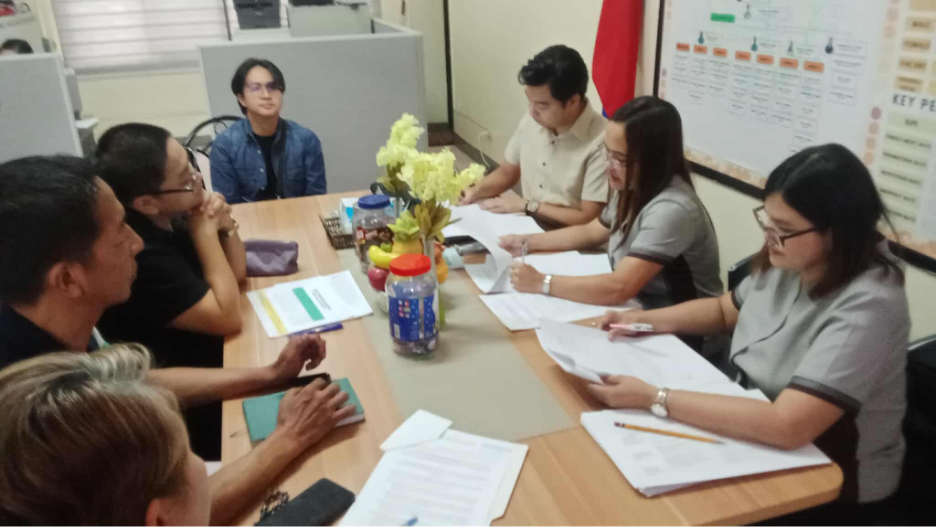
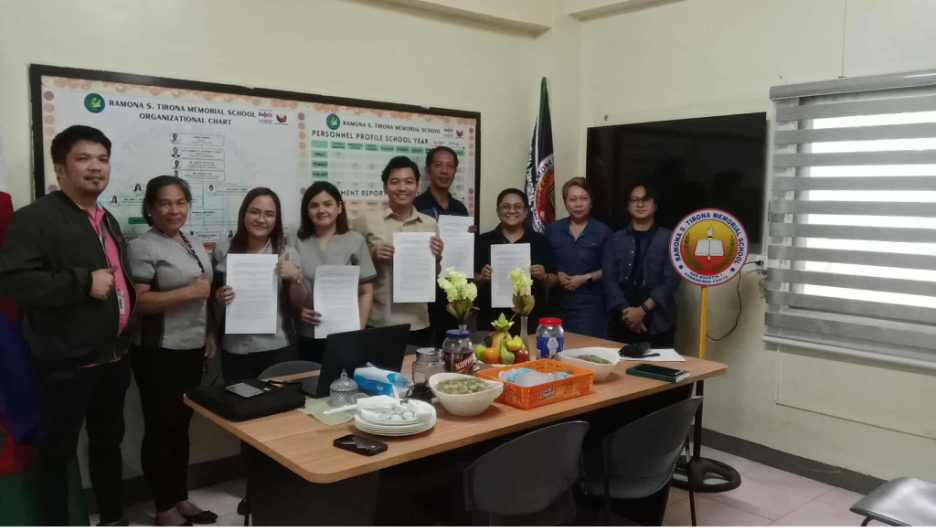
Last August 20, 2025, a Memorandum of Understanding (MOU) was entered into between Far Eastern University and the chosen partner school, Ramona S. Tirona Memorial School (RSTMS) in Dasmariñas, Cavite. RSTMS was among the schools FEU NSTP served for online deployment during the Pandemic (2020-2022). It was agreed in said MOU that FEU student leaders, NSRC volunteers, NSTP students and RSTMS teachers will work hand in hand in the small group learning sessions on Literacy and Numeracy of Grades 1 to 3 students of RSTMS. The engagement started on September 13, 2025 (Orientation), then on a twice a week engagement the following week until the last week of November 2025. This activity was continued in February to March 2026 with NSTP student volunteers.
Objectives
1. To render literacy services in the intervention program for identified learners of RSTMS (SDG 4)
2. To reduce inequality by giving opportunity for identified learners of RSTMS to be academically competitive. (SDG 10)
3. To forge partnerships for the goals (SDG 17)
Dates, location, and frequency
The engagement started on September 13, 2025 (Orientation), then on a twice a week engagement the following week until the last week of November 27, 2025. The activity was continued in February to March 2025 with NSTP student volunteers.
Target beneficiaries and actual reach
Grades 1 to 3 students of RSTMS with parents’ consent
Public access and fees
This service is free of charge as part of the National Service Training Program of FEU students.
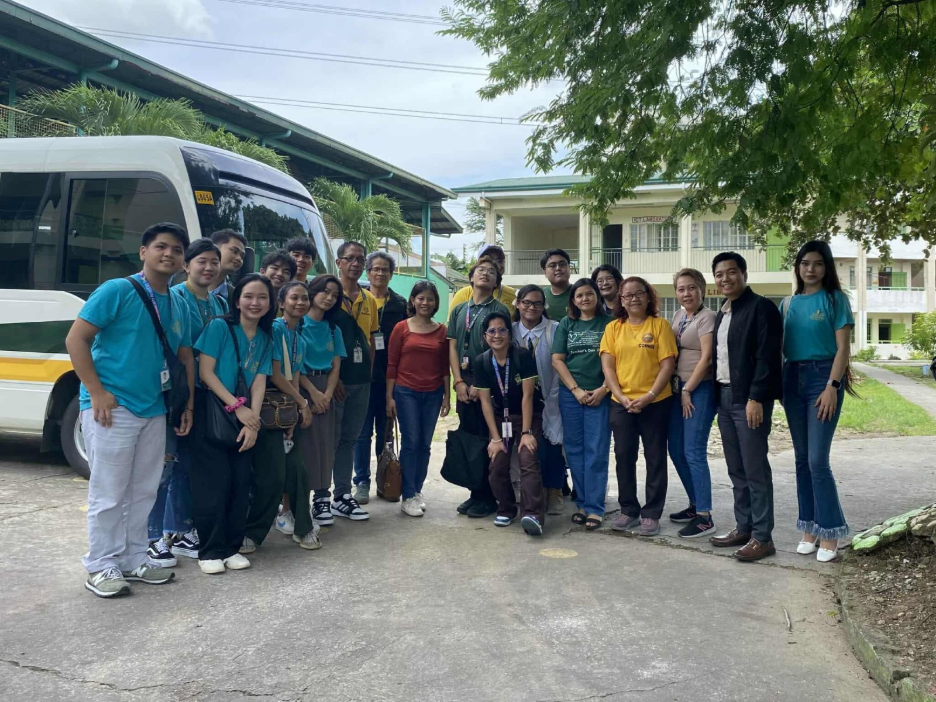
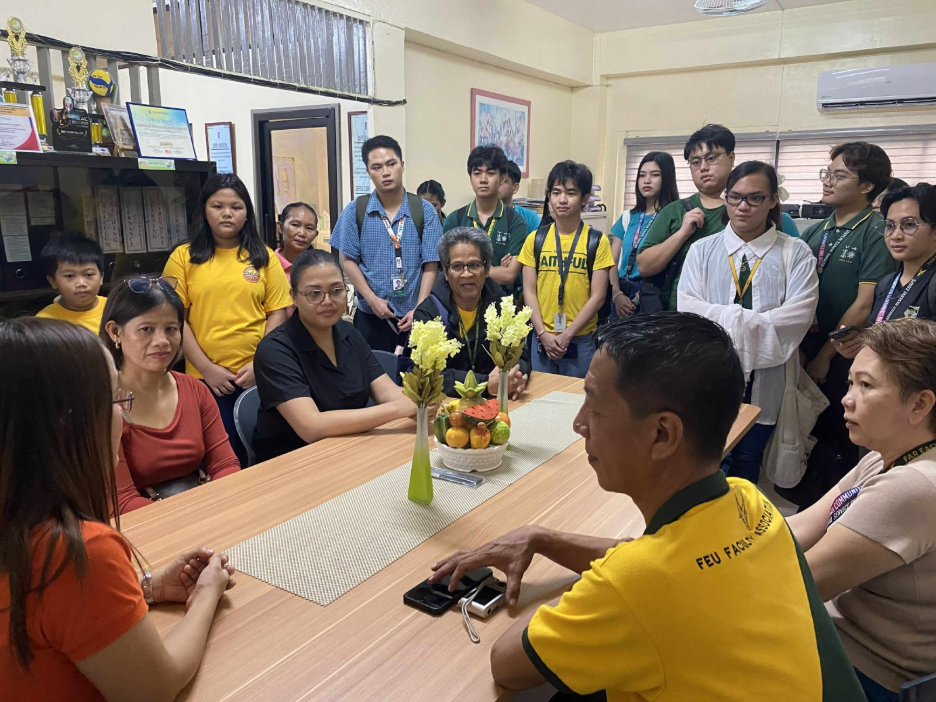
Edustria High School
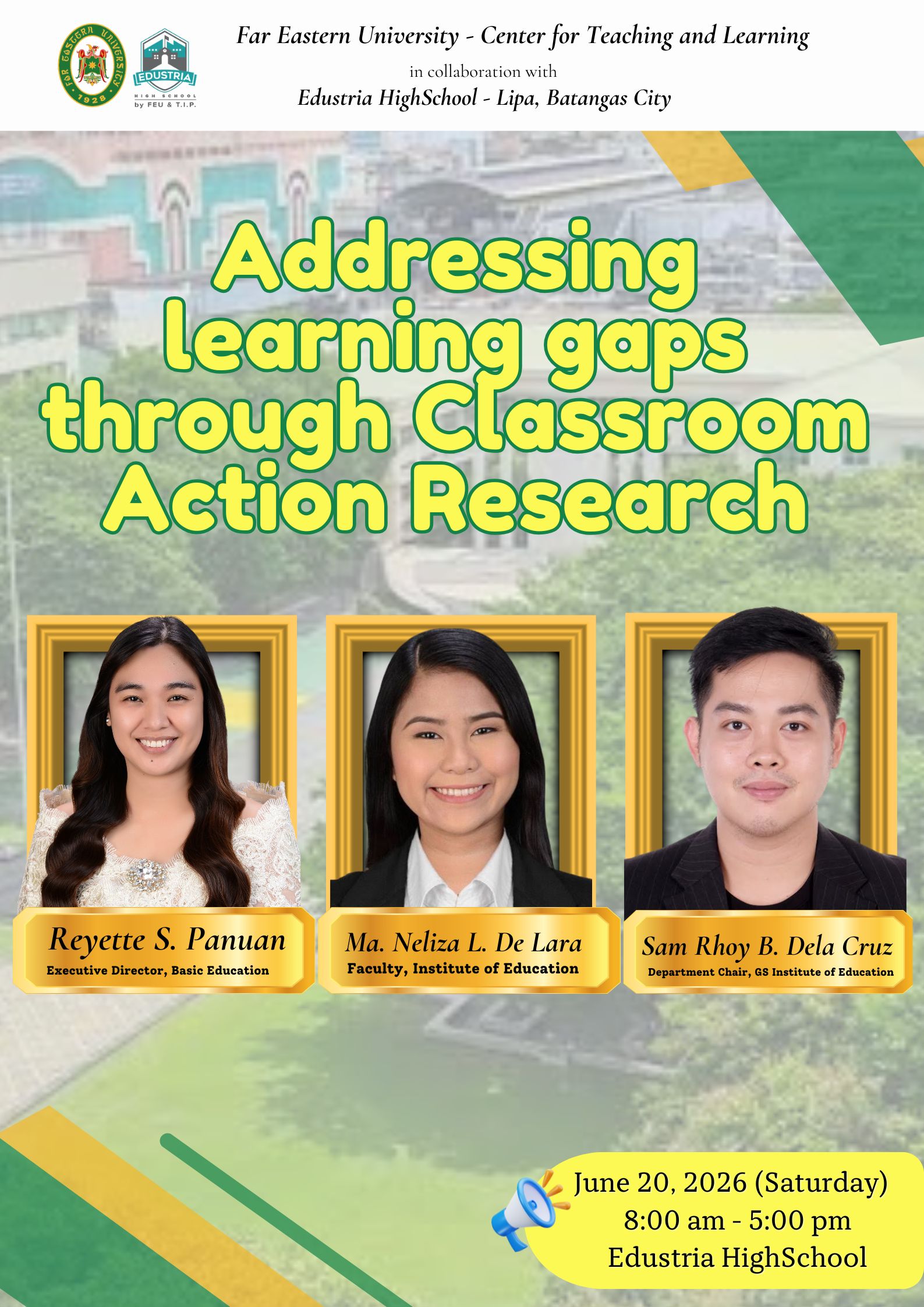
Addressing learning gaps through classroom action research
Date: June 20, 2026
Approved PRC units: 4 units
Program Objectives
This workshop equips teachers with the foundational skills in Action Research to improve classroom practice. Participants will reflect their teaching to identify key instructional challenges, formulate clear and researchable classroom action research questions, and design feasible interventions aligned with these problems. The session also guides participants in developing practical data collection plans to evaluate the effectiveness of their interventions. By the end of the workshop, participants will produce initial drafts of a classroom action research plan grounded in their own teaching context.
Brief Narratives
Addressing Learning Gaps Through Classroom Action Research is a one-day workshop that equips teachers with practical skills to identify learning gaps, formulate classroom action research questions, and design evidence-based interventions. Through reflective activities, collaborative discussions, and guided planning, participants develop initial action research plans including problem statements, interventions, and data collection strategies to support continuous instructional improvement and enhance student learning outcomes.
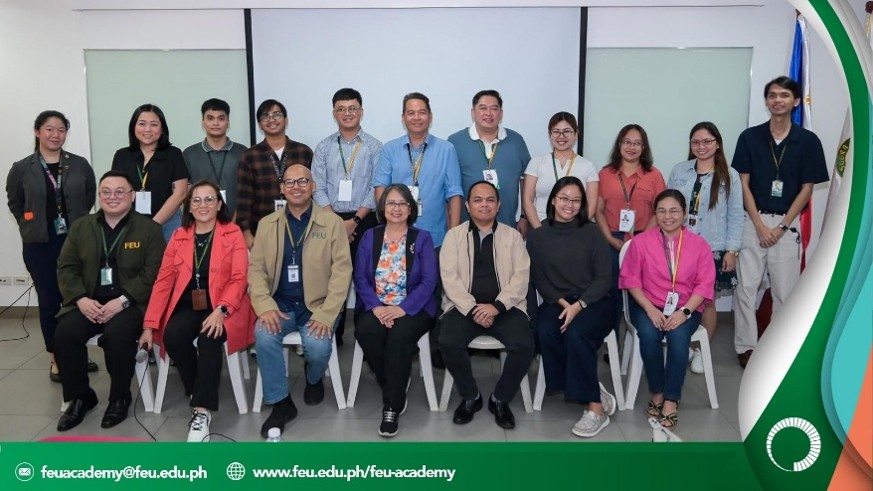
The event was attended by teachers from various subject areas and grade levels, fostering a diverse and a collaborative learning environment.
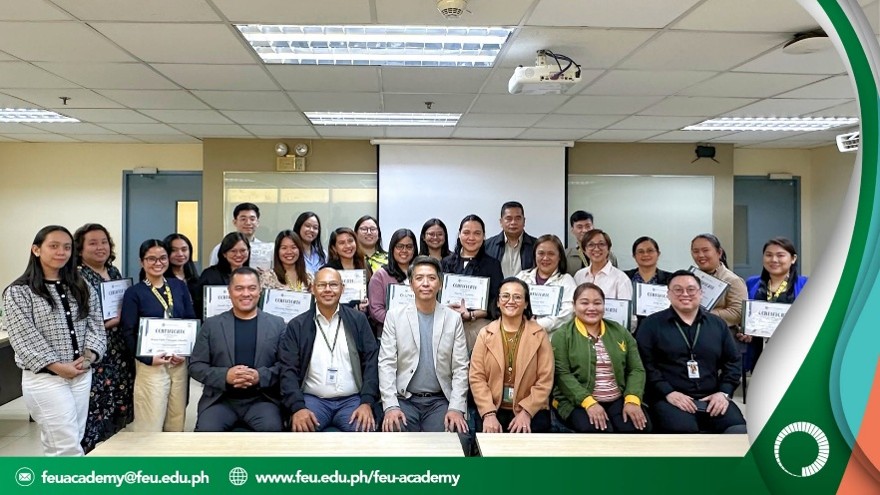
Throughout the seminar-workshop, participants actively engaged in discussions, hands-on activities, and group exercises, demonstrating their commitment to enhancing their course design and assessment practices. The event concluded with the awarding of Certificates of Participation to all attendees in recognition of their active involvement and successful completion of the training.
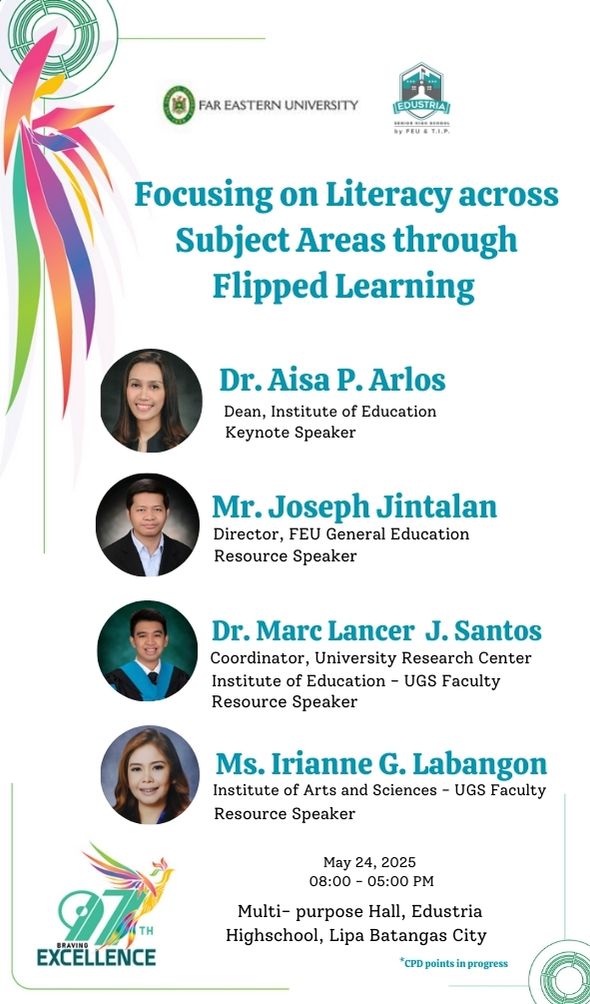
Focusing on literacy across subject areas through flipped learning
Date: June 21, 2025
Approved PRC units: 4 units
Program Objectives
This is a whole day workshop focusing on integrating literacy in all subject areas through flipped classroom approach. In support of teachers in designing and implementing key features of the MATATAG Curriculum, the morning session of the workshop will focus on strategies on how to integrate reading in all subject areas while the afternoon session will focus on integrating these reading strategies through flipped classroom instructional design. An asynchronous module will also be provided a week before the actual workshop to simulate with the participants the strategies to be discussed.
Brief Narratives
The workshop titled “Focusing on Literacy across Subject Areas through Flipped Learning” was a two-part program focusing on two major topics: “Literacy and Reading Strategies Across the Subject Areas” and “Flipped Learning Model” which happened in the AM and PM sessions of the program.
Prior to the event, participants were given reading materials and online activities related to the topics to be discussed and to which they were expected to accomplish asynchronously before the program.
The event started with Dr. Jintalan’s keynote message on the need for literacy and connection to flipped learning and was followed by the first topic presented by Ms. Labangon. Various groups were formed from the participants based on their subjects handled. They were asked to create an instructional plan that incorporates a reading strategy discussed by the speaker. Selected participants were asked to present their outputs and were given feedback right after.
The afternoon session began with Mr. Santos continuing the discussion on the second topic, particularly for Flipped Learning. Later, they were asked to be grouped with the same groupings as the AM workshop and were tasked to incorporate flipped learning strategies and activities into a topic of their choice. Presentation of the outputs and feedback were conducted right after.
The event was attended by several teachers from different schools across subject areas and grade levels. Everyone was participating in the seminar and in their collaborative group activities during the workshop sessions. Dr. Arlos, the expected keynote speaker, was apparently not available on the day of the workshop, so Dr. Jintalan delivered the keynote message instead. He also accompanied the lecturers in the workshop sessions and provided his insights during the feedback. In the afternoon session, since there was an event in the evening (concert) near the vicinity of the venue on the same day, the concert preparation somehow affected our attendees’ productivity and attention as loud noises were observed during our afternoon session. The other party was advised on this concern, and the background noise ended around 2 in the afternoon.
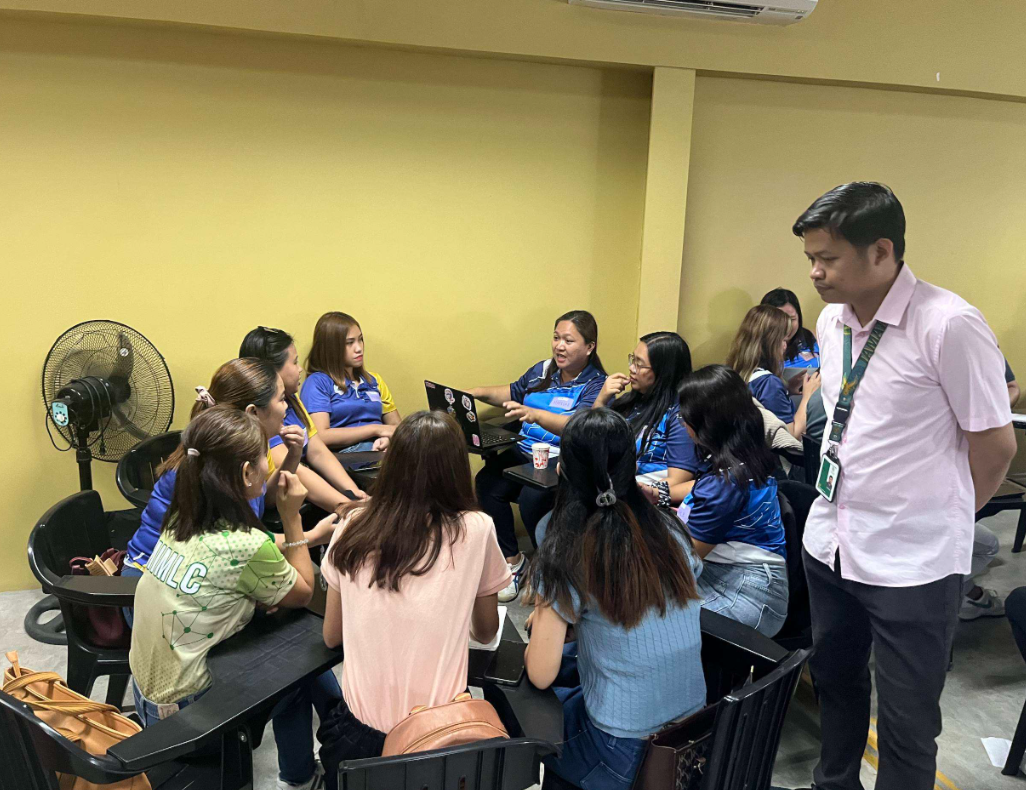
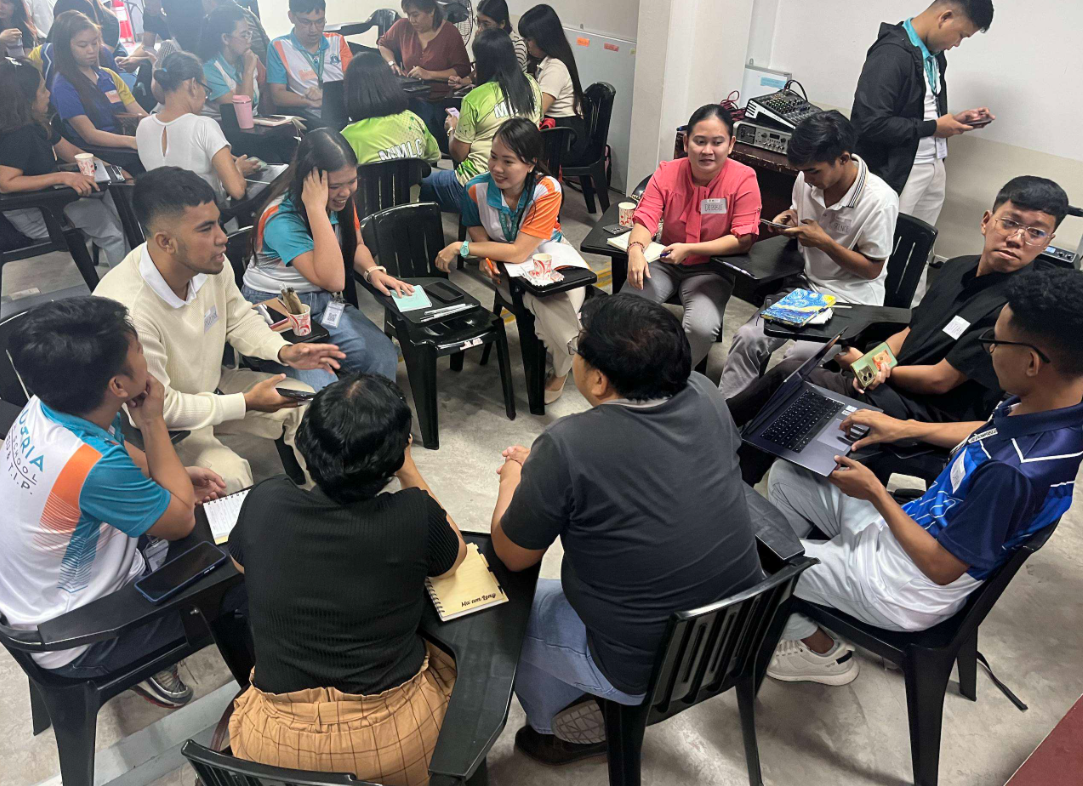
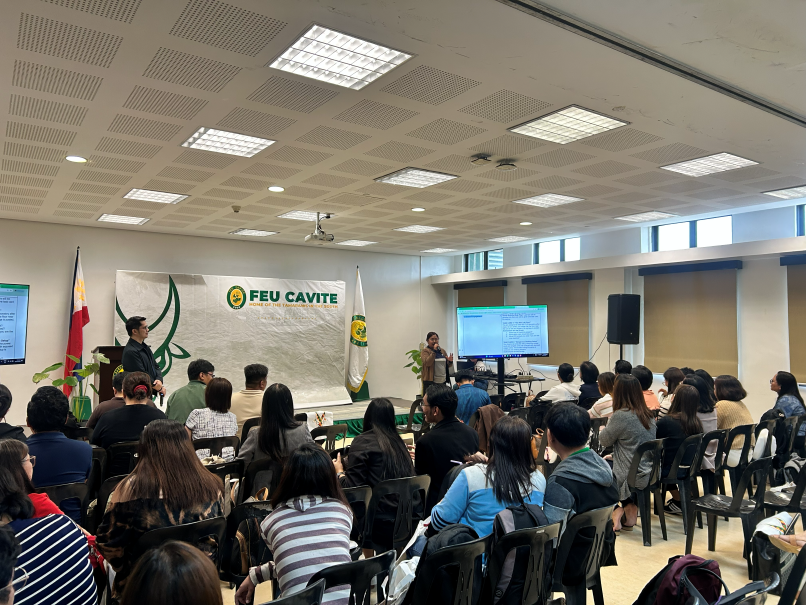
FEU Cavite
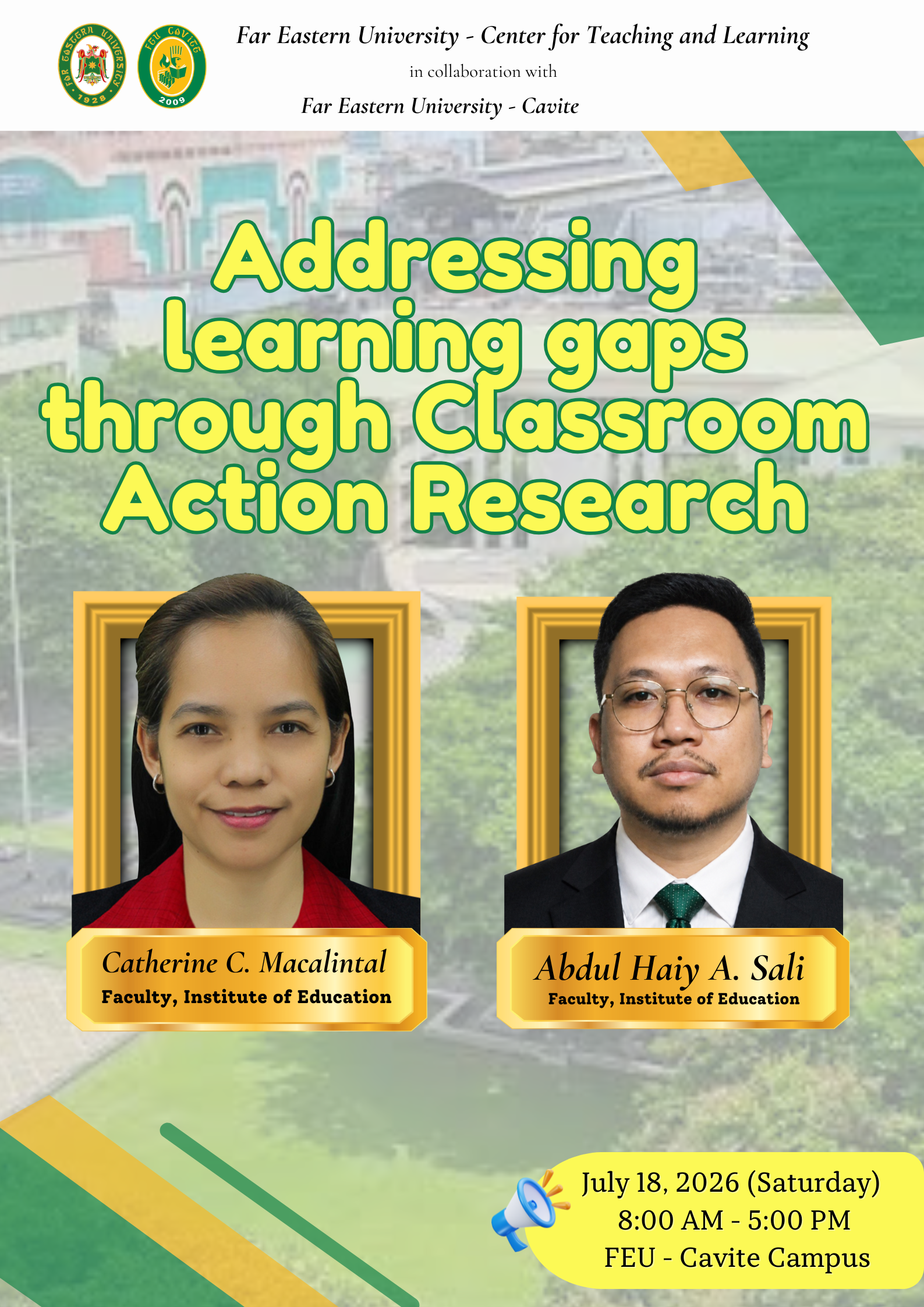
Addressing learning gaps through Classroom Research
Date: July 18, 2026
Approved PRC units: 5 units
Program Objectives
This workshop equips teachers with the foundational skills in Action Research to improve classroom practice. Participants will reflect their teaching to identify key instructional challenges, formulate clear and researchable classroom action research questions, and design feasible interventions aligned with these problems. The session also guides participants in developing practical data collection plans to evaluate the effectiveness of their interventions. By the end of the workshop, participants will produce initial drafts of a classroom action research plan grounded in their own teaching context.
Brief Narratives
Addressing Learning Gaps Through Classroom Action Research is a one-day workshop that equips teachers with practical skills to identify learning gaps, formulate classroom action research questions, and design evidence-based interventions. Through reflective activities, collaborative discussions, and guided planning, participants develop initial action research plans including problem statements, interventions, and data collection strategies to support continuous instructional improvement and enhance student learning outcomes. The event was attended by teachers from various subject areas and grade levels, fostering a diverse and collaborative learning environment. Throughout the seminar workshop, participants actively engaged in discussions, hands-on activities, and group exercises, demonstrating their commitment to enhancing their course design and assessment practices. The event concluded with the awarding of Certificates of Participation to all attendees in recognition of their active involvement and successful completion of the training.
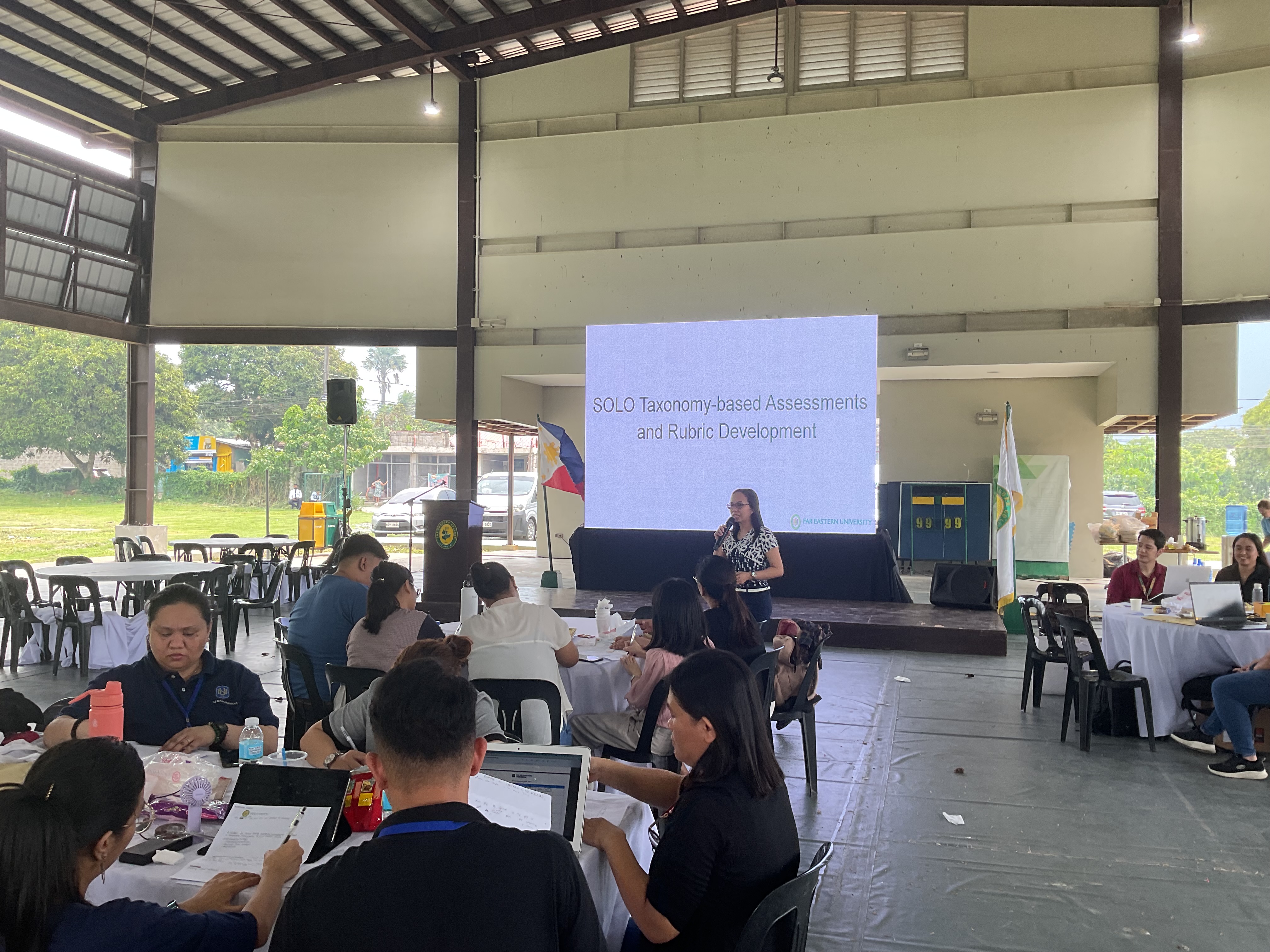
Convergence of Curriculum Alignment, SOLO Taxonomy, and Outcomes – based Assessments in Student – Centered Learning
Date: June 8, 2024
Approved PRC units: 5 units
Brief Narratives
The third part of the teacher caravan was held at FEU Cavite Gym last June 8, 2024, and was attended by 82 participants. The three topics were discussed by Dr. Stephen Jay Co, Reyett Paunan, and Irish Digo. Dr. Co discussed the first topic on Unpacking the Learning Outcomes and Constructive Alignment during the morning session and the topics on Authentic Assessment and SOLO Taxonomy during the afternoon session by Paunan and Digo.
Joseph Jintalan synthesized the discussion on three topics. Group presentations and individual workshop activities were done per topic. The second topic was moved to the afternoon session as the first topics by group workshop activity in unpacking the learning outcome took longer than expected. Changes in the program took place especially for the breakout session in the afternoon. Instead of a breakout session, a discussion to synthesize the three topics was facilitated by Sir Jintalan. A combination of online submissions and a hard copy of the outputs were submitted to the speakers by the group representatives.
Focusing on Literacy across Subject Areas through Flipped Learning
Date: June 7, 2024
Approved CPD units: 6 units
Program Objectives
This is a whole day workshop focusing on integrating literacy in all subject areas through flipped classroom approach. In support of teachers in designing and implementing key features of the MATATAG Curriculum, the morning session of the workshop will focus on strategies on how to integrate reading in all subject areas while the afternoon session will focus on integrating these reading strategies through flipped classroom instructional design. An asynchronous module will also be provided a week before the actual workshop to simulate with the participants the strategies to be discussed.
Brief Narratives
The workshop titled “Focusing on Literacy across Subject Areas through Flipped Learning” was a two-part program focusing on two major topics: “Literacy and Reading Strategies Across the Subject Areas” and “Flipped Learning Model” which happened in the AM and PM sessions of the program.
Prior to the event, participants were given reading materials and online activities related to the topics to be discussed and to which they were expected to accomplish asynchronously before the program.
The event started with Dr. Jintalan’s keynote message on the need for literacy and connection to flipped learning and was followed by the first topic as presented by Ms. Lee. Nine (9) groups were formed from the participants based on their subjects handled. They were asked to create an instructional plan that incorporates a reading strategy discussed by the speaker. The selected group was asked to present their output and were given feedback after their noon break.
The afternoon session began with Dr. Co continuing the discussion on the second topic, particularly for Flipped Learning. Later, they were asked to be grouped with the same groupings as the AM workshop and were tasked to incorporate flipped learning strategies and activities into a topic of their choice. Presentation of the selected output and feedback were conducted right after. The event was attended by several teachers from different schools across subject areas and grade levels. Everyone was participating in the seminar and in their collaborative group activities during the workshop sessions. Dr. Dela Cruz, one of the supposed speakers of the event, was not available on the day of the workshop. Hence, only Ms. Lee and Dr. Co proceeded with the discussion of the topics.
FEU Diliman
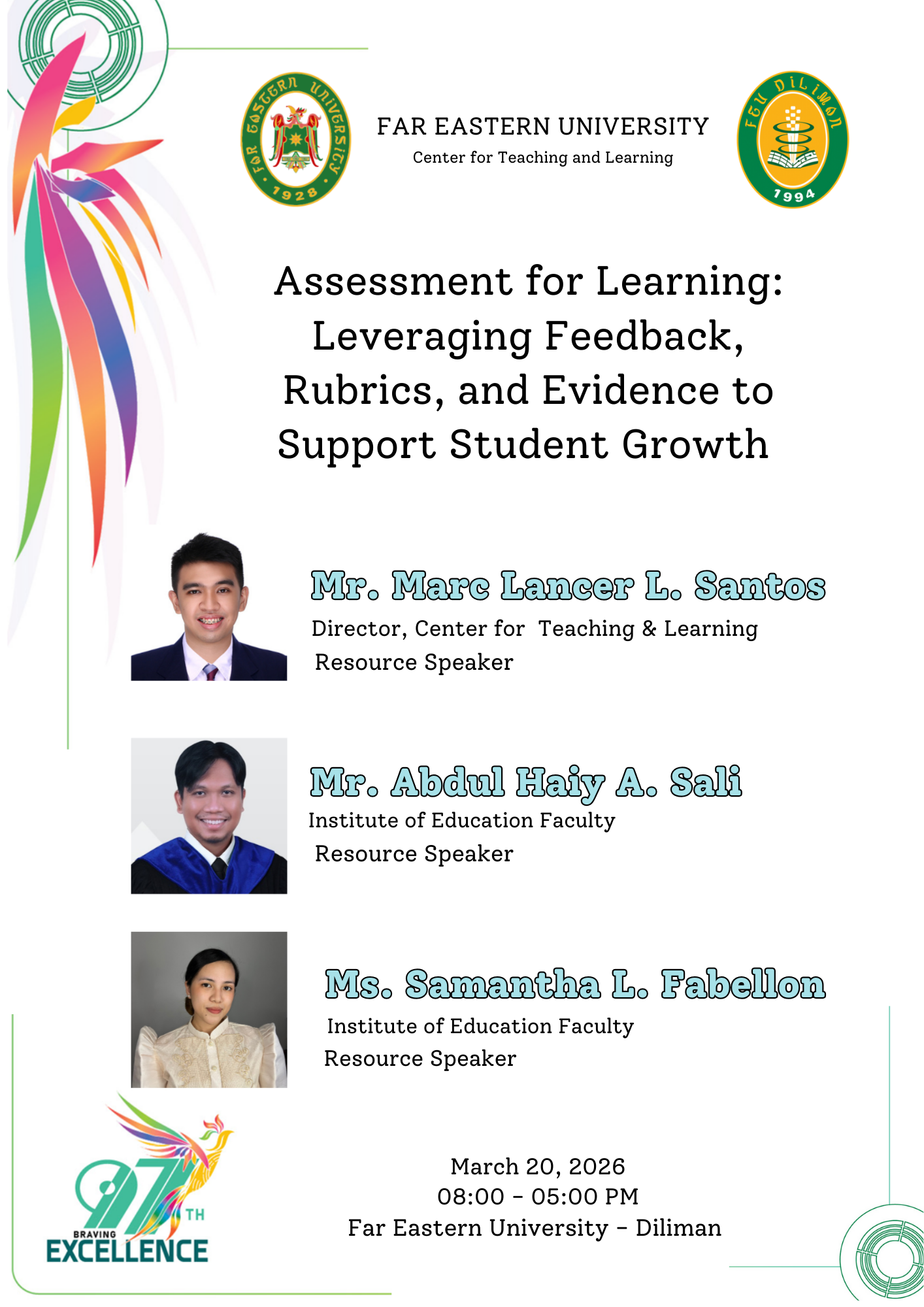
Addressing learning gaps through classroom research
Date: March 20, 2026
Approved PRC units: 4 units
Program Objectives
This workshop strengthens teachers’ assessment practices through the effective use of feedback, rubrics, and evidence-informed instruction to support student learning and growth. Anchored on assessment for learning, feedback literacy, and the SOLO Taxonomy, it examines how feedback can be designed to help learners understand quality, monitor progress, and improve performance. Participants will analyze feedback practices, apply the SOLO Taxonomy to identify levels of student thinking, and develop authentic, criterion-referenced rubrics aligned with learning outcomes. The workshop emphasizes using evidence from student work to guide feedback and instructional decisions, enabling teachers to move beyond grading toward assessment practices that promote sustained student growth.
Brief Narratives
Addressing Learning Gaps Through Classroom Action Research is a one-day workshop that equips teachers with practical skills to identify learning gaps, formulate classroom action research questions, and design evidence-based interventions. Through reflective activities, collaborative discussions, and guided planning, participants develop initial action research plans including problem statements, interventions, and data collection strategies to support continuous instructional improvement and enhance student learning outcomes. The event was attended by teachers from various subject areas and grade levels, fostering a diverse and collaborative learning environment. Throughout the seminar workshop, participants actively engaged in discussions, hands-on activities, and group exercises, demonstrating their commitment to enhancing their course design and assessment practices. The event concluded with the awarding of Certificates of Participation to all attendees in recognition of their active involvement and successful completion of the training.
FEU High School
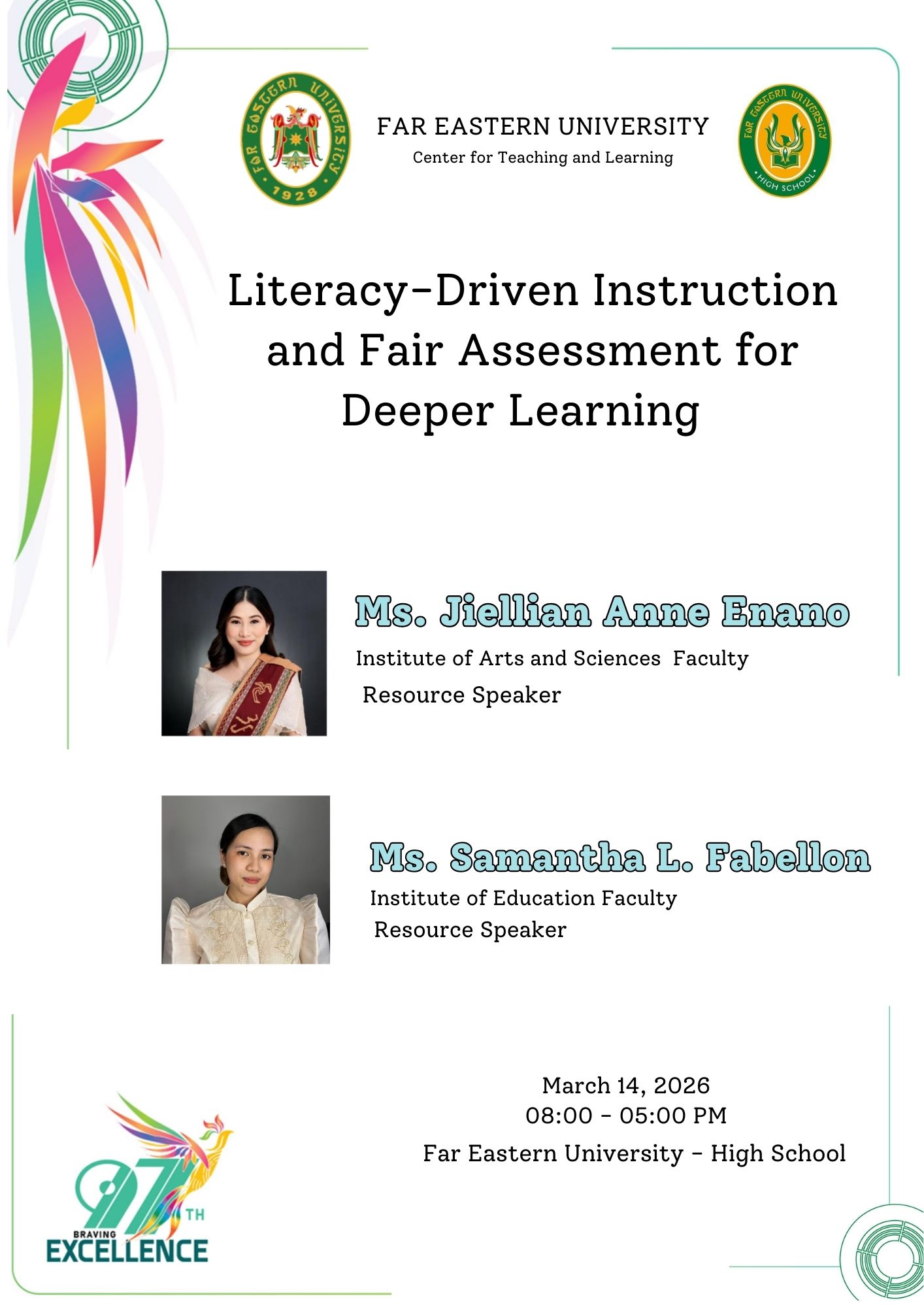
Literacy Driven Instruction & Fair Assessment for Deeper Learning
Date: March 14, 2026
Approved PRC units: 5 units
Program Objectives
The workshop explores how disciplinary literacy and fair assessment practices work together to promote deeper learning and critical thinking across subject areas. Participants will examine key principles of learning literacy and apply reading strategies that support comprehension, reasoning, and meaning making within their disciplines. Building on this foundation, the workshop focuses on designing assessment tasks and rubrics that are transparent, equitable, and aligned with higher-order learning outcomes. Through analysis, guided practice, and reflection, educators will learn to align literacy-rich instruction with assessments that clearly communicate expectations, value student thinking, and foster fairness and intellectual rigor in the classroom.
Brief Narratives
The Literacy – Driven Instruction and Fair Assessment for Deeper Learning program was a two-session, onsite workshop in FEU Highschool which tackled the following topics: “Literacy and Reading Strategies across Subject Areas” and “Designing Fair and Effective Assessment rubrics that empower learning” which was facilitated during the morning and afternoon session, respectively.
Prior to the event, the participants were tasked with pre-activities involving reading the materials in advance, answering a short quiz, and participating in a discussion thread online for them to perform better during the workshop.
Dr. Santos served as the opening keynote speaker with an address concerning the need for literacy and connection to having fair assessments through utilization of rubrics. Ms. Enano then facilitated the morning by discussing the factors and principles of literacy and reading strategies in different subject areas before sharing practical strategies for building and developing this skill. The participants were then tasked to integrate reading strategies in their structural plans and to share their approaches with the other faculty members.
After a short lunch break, Ms. Fabellon led the afternoon session with a focus on the designing assessment of rubrics. After explaining how significant the utilization of rubrics could be beneficial when applied in the classroom context, the participants were then encouraged to have a fair assessment in the students by designing a quality rubric.
FEU Roosevelt
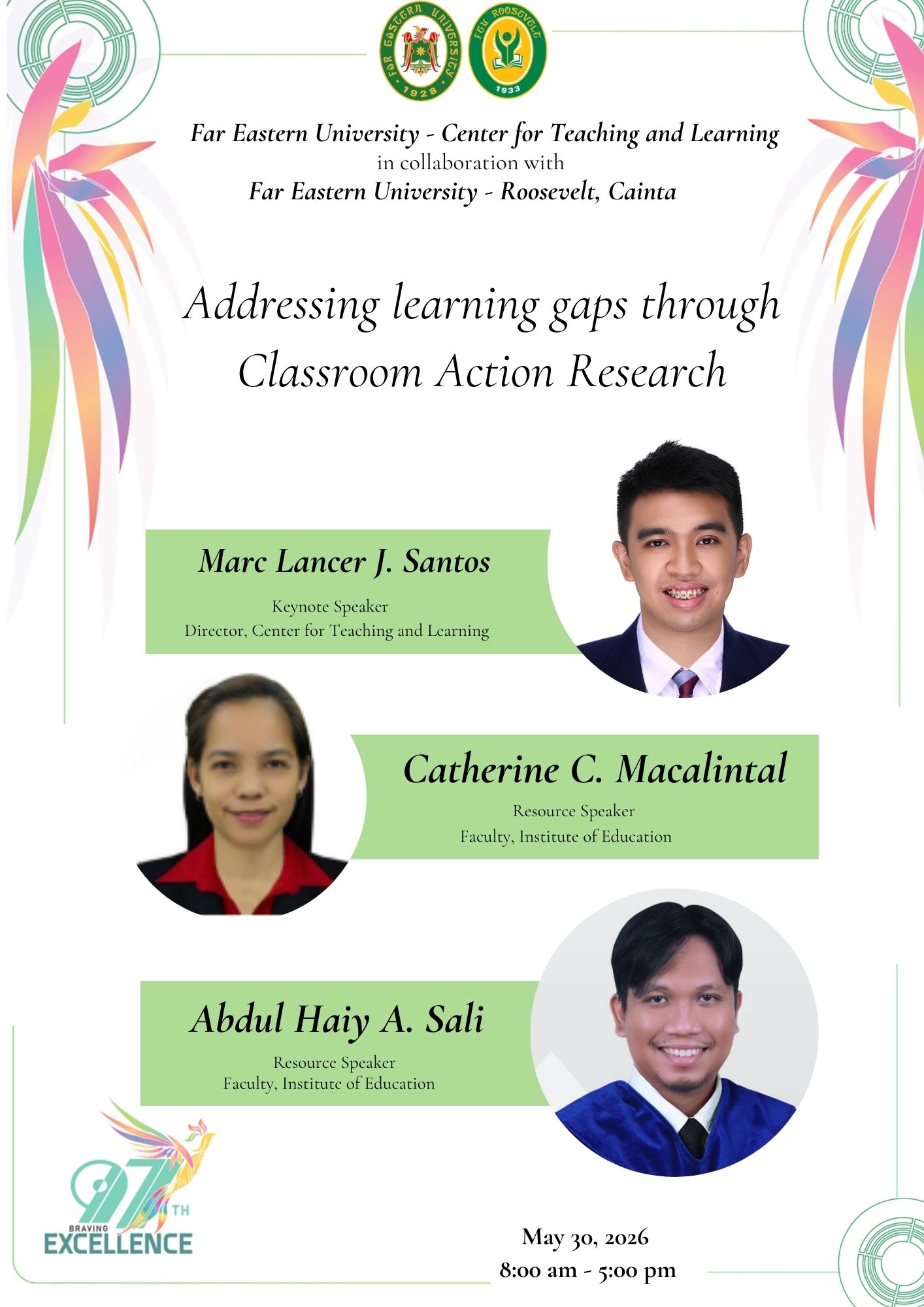
Addressing learning gaps through Classroom Research
Date: May 30, 2026
Approved PRC units: 5 units
Program Objectives
This workshop equips teachers with the foundational skills in Action Research to improve classroom practice. Participants will reflect their teaching to identify key instructional challenges, formulate clear and researchable classroom action research questions, and design feasible interventions aligned with these problems. The session also guides participants in developing practical data collection plans to evaluate the effectiveness of their interventions. By the end of the workshop, participants will produce initial drafts of a classroom action research plan grounded in their own teaching context.
Brief Narratives
Addressing Learning Gaps Through Classroom Action Research is a one-day workshop that equips teachers with practical skills to identify learning gaps, formulate classroom action research questions, and design evidence-based interventions. Through reflective activities, collaborative discussions, and guided planning, participants develop initial action research plans including problem statements, interventions, and data collection strategies to support continuous instructional improvement and enhance student learning outcomes. The event was attended by teachers from various subject areas and grade levels, fostering a diverse and collaborative learning environment. Throughout the seminar workshop, participants actively engaged in discussions, hands-on activities, and group exercises, demonstrating their commitment to enhancing their course design and assessment practices. The event concluded with the awarding of Certificates of Participation to all attendees in recognition of their active involvement and successful completion of the training.
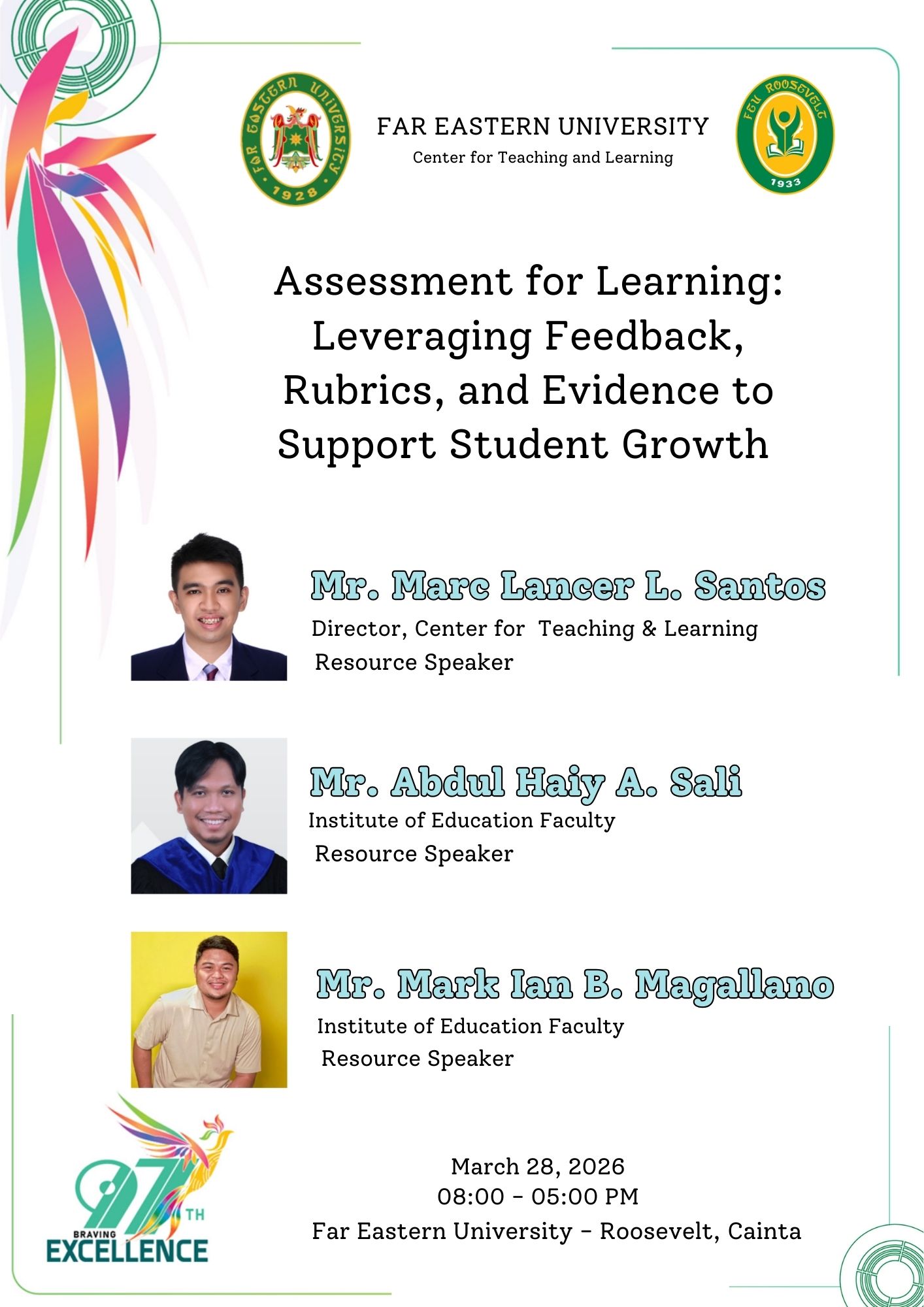
Assessment for learning: Leveraging feedback, rubrics & evidence for support
Date: March 28, 2026
Approved PRC units: 4 units
Program Objectives
This workshop strengthens teachers’ assessment practices through the effective use of feedback, rubrics, and evidence-informed instruction to support
student learning and growth. Anchored on assessment for learning, feedback literacy, and the SOLO Taxonomy, it examines how feedback can be designed to help learners understand quality, monitor progress, and improve performance.
Participants will analyze feedback practices, apply the SOLO Taxonomy to identify levels of student thinking, and develop authentic, criterion-referenced rubrics aligned with learning outcomes. The workshop emphasizes using evidence from student work to guide feedback and instructional decisions, enabling teachers to move beyond grading toward assessment practices that promote sustained student growth.
Brief Narratives
A workshop on strengthening teacher’s assessment practices was held on March 28, 2026, at FEU Roosevelt Cainta, led by Mr. Mark Lancer J. Santos, Mr. Abdul Haiy A. Sali, and Mr. Mark Ian B. Magallano. The program aimed to enhance educators’ capacity to support student learning through effective assessment, feedback, and evidence-based instruction
The three main sessions focused on the SOLO Taxonomy as a framework for understanding learning progression, the principles of assessment, and rubric development, and the role of meaningful feedback in improving student outcomes. Furthermore, the participants engaged in lectures and hands-on workshops, including designing analytic rubrics aligned with SOLO levels and refining feedback practices through structured activities such as the “Feedback Makeover” and “Feedback Sandwich”.
The workshop emphasized viewing learning as a developmental process, promoting objective and standards-based assessment, and delivering feedback that is constructive, supportive, and growth-oriented. Overall, the program equipped educators with practical strategies and tools to improve instructional decision-making and foster deeper, more meaningful student learning.
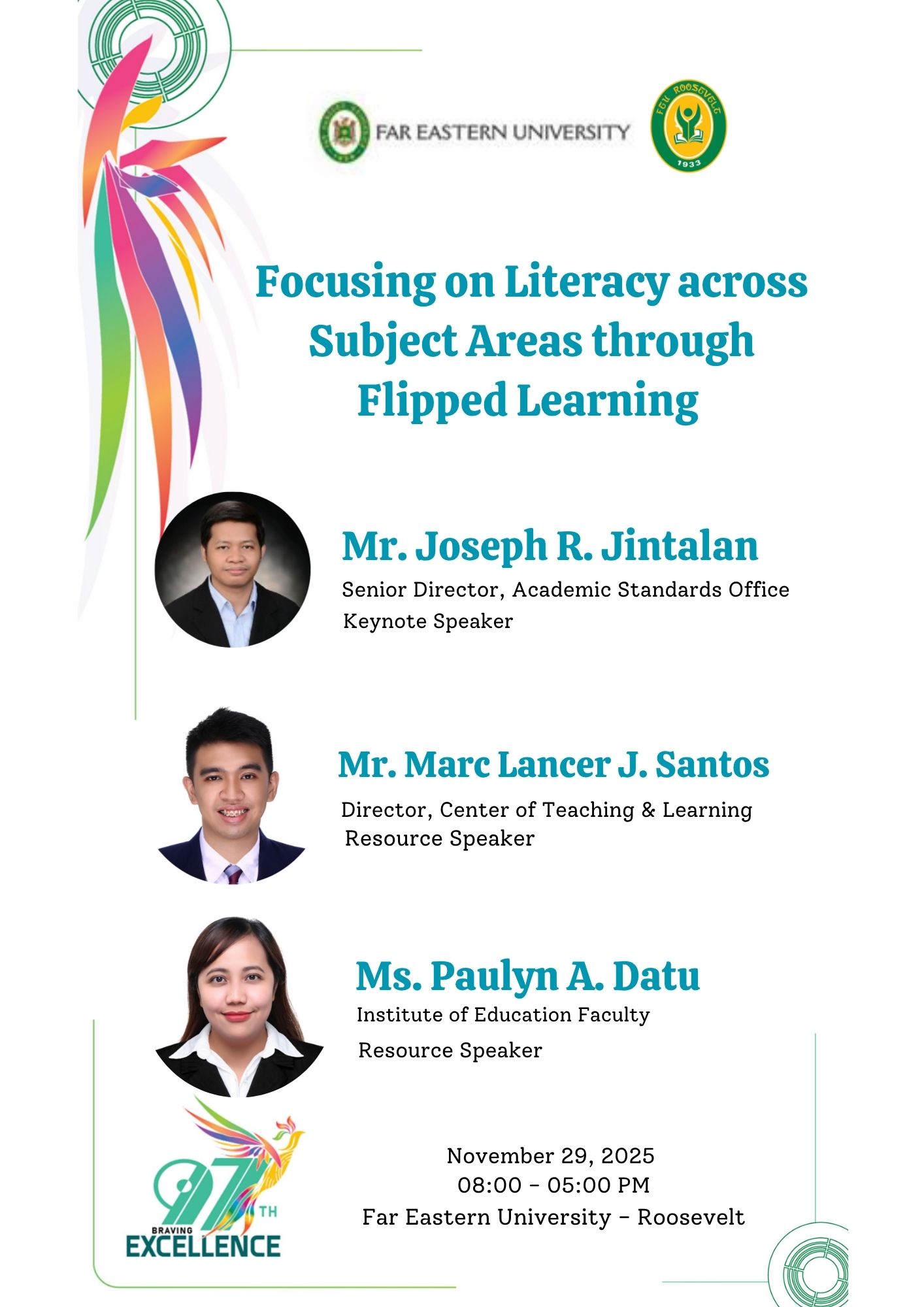
Focusing on Literacy across Subject Areas through Flipped Learning
Date: November 29, 2026
Approved CPD units: 3 units
Program Objectives
This is a whole day workshop focusing on integrating literacy in all subject areas through flipped classroom approach. In support of teachers in designing and implementing key features of the MATATAG Curriculum, the morning session of the workshop will focus on strategies on how to integrate reading in all subject areas while the afternoon session will focus on integrating these reading strategies through flipped classroom instructional design. An asynchronous module will also be provided a week before the actual workshop to simulate with the participants the strategies to be discussed.
Brief Narratives
The Focusing on Literacy across Subject Areas through Flipped Learning program was a two-session, onsite workshop in FEU Roosevelt which tackled the following topics: “Literacy and Reading Strategies Across Subject Areas” and “Flipped Learning Model” which was facilitated during the morning and afternoon session, respectively.
Prior to the event, the participants were tasked with pre-activities involving reading the materials in advance, answering a short quiz, and participating in a discussion thread online for them to perform better during the workshop.
Dr. Jintalan served as the opening keynote speaker with an address concerning the need for literacy and connection to flipped learning. Ms. Datu then facilitated the morning by discussing the factors and principles of Content Area Literacy before sharing practical strategies for building and developing this skill. The participants were then tasked to integrate reading strategies in their instructural plans and to share their approaches with the other faculty members.
After a short lunch break, Dr. Santos led the afternoon session with a focus on the Flipped Learning Model. After explaining how the Flipped Learning Model could be beneficial when applied in the classroom context, the participants were then encouraged to design classroom activities with the Flipped Learning Model applied.
Good Samaritan Colleges
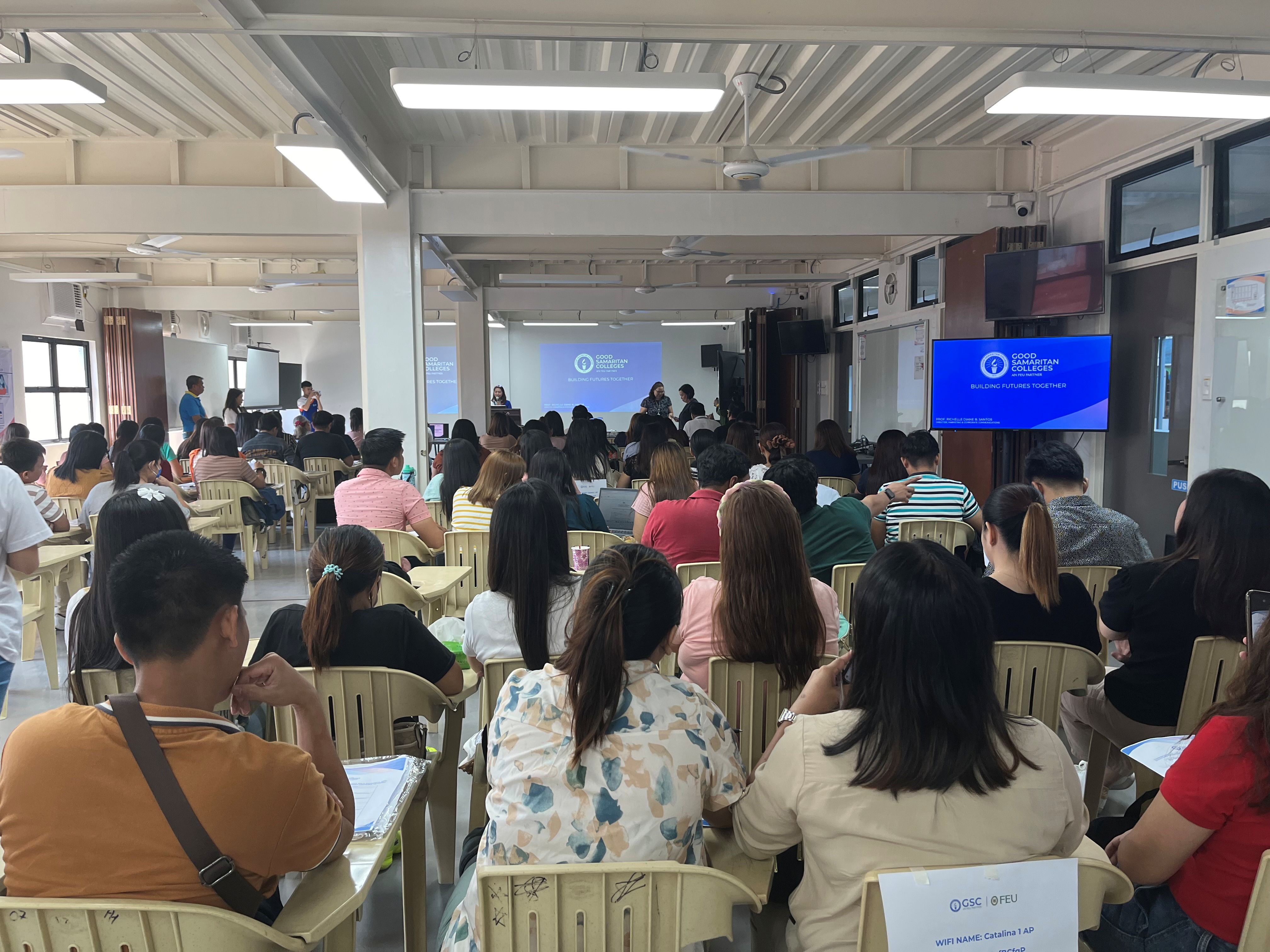
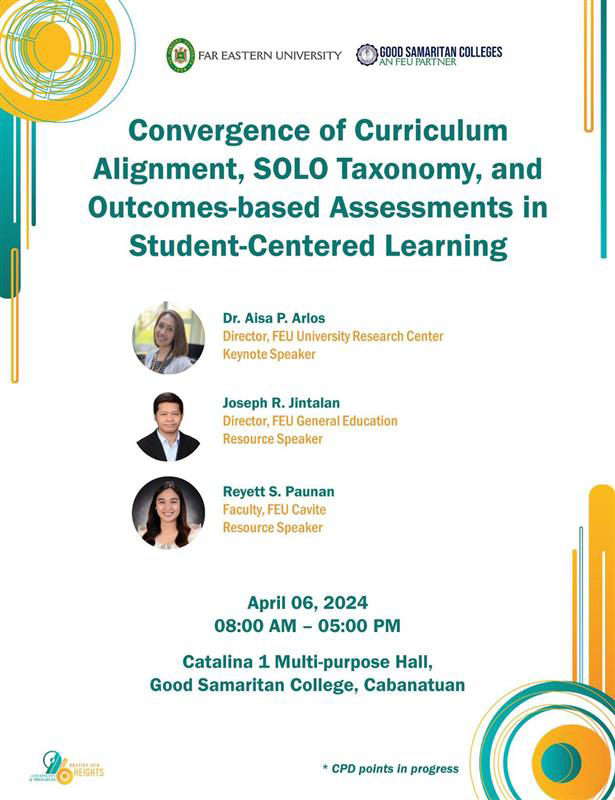
Convergence of curriculum alignment, SOLO Taxonomy and Outcome based
Date: April 6, 2024
Approved PRC units: 4 units
Program Objectives
Shifting from the old instructional paradigm to the 21st century’s learning paradigm means rethinking everything we know about how we teach, what we teach, and how students learn. This workshop aims to capacitate teacher-participants in unpacking learning outcomes from the curriculum, crafting constructively aligned instructional plans, and designing alternative methods of assessment. This 2-part workshop is split into a morning plenary session where participants are primed for the afternoon breakout session. The plenary session is a mini seminar on unpacking curriculum standards, constructive alignment, and SOLO-based alternative methods of assessment, and the breakout session is where participants will be asked to craft a constructively aligned instructional design which shall include: a) Learning outcomes
b) Content
c) Teaching-learning activities
d) Assessment activities
e) SOLO-based Rubrics
Brief Narratives
Ninety-four (94) participants attended the second part of the teacher caravan held at Good Samaritan Colleges in Cabanatuan city. Same topics were discussed (Learning Outcomes and Constructive Alignment, Authentic Assessments, and SOLO Taxonomy and Rubric Development) by Director Joseph Jintalan and Dr. Aisa Arlos, faculty members from the Far Eastern University, Manila. The resource speakers also facilitated the critiquing workshop in the second half of the program.
The first two sessions were conducted during the morning part of the event, while the last talk was conducted in the afternoon. Participants were divided into seven (7) groups wherein they were asked to create sample criteria with corresponding descriptions based on an authentic assessment aligned to their chosen subject and activity’s learning outcomes. They were given an hour and a half to work with their groups and present it during the afternoon part of the session.
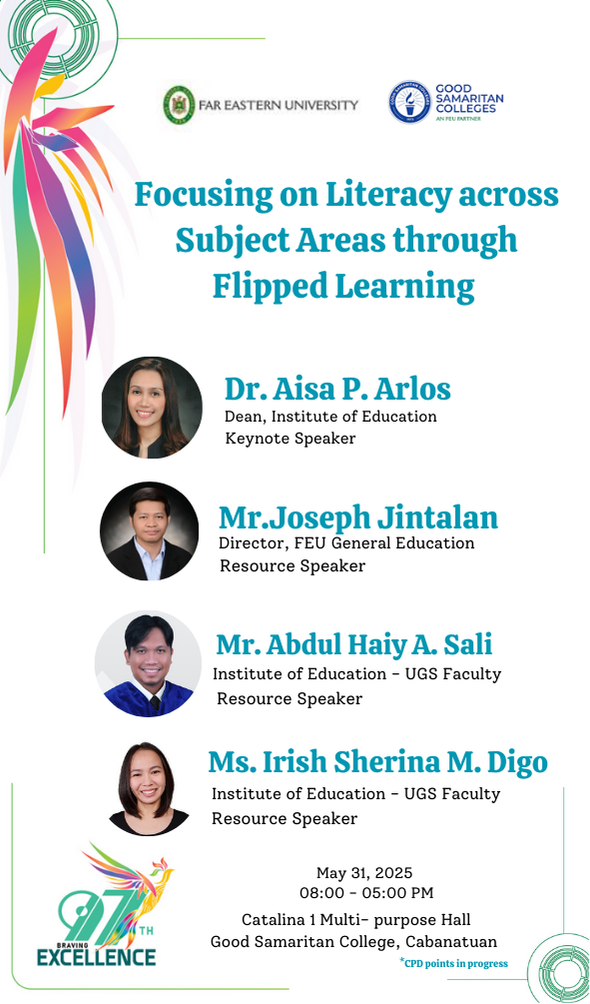
Focusing on Literacy across subject areas through Flipped Learning
Date: May 31, 2025
Approved PRC units: 6 units
Program Objectives
This is a whole day workshop focusing on integrating literacy in all subject areas through a flipped classroom approach. In support of teachers in designing and implementing key features of the MATATAG Curriculum, the morning session of the workshop will focus on strategies on how to integrate reading in all subject areas while the afternoon session will focus on integrating these reading strategies through flipped classroom instructional design. An asynchronous module will also be provided a week before the actual workshop to simulate with the participants the strategies to be discussed.
Brief Narratives
The workshop titled “Focusing on Literacy across Subject Areas through Flipped Learning” was a two-part program focusing on two major topics: “Literacy and Reading Strategies Across the Subject Areas” and “Flipped Learning Model” which happened in the AM and PM sessions of the program.
Prior to the event, participants were given reading materials and online activities related to the topics to be discussed and to which they were expected to accomplish before the program.
The event started with Dr. Aisa’s keynote message on the need for literacy and connection to flipped learning and was followed by the first topic presented by Ms. Digo. The afternoon session was conducted by Mr. Sali and Dir. Jintalan as they continued the second topic and presentation of the workshop output.
Nine (9) groups were formed from the participants based on their subjects and levels handled. They were asked to create an instructional plan that incorporates a reading strategy and flipped learning strategies/activities aligned to their chosen topics. Selected participants presented and were given feedback by the guest speakers and by their fellow participants. The event was conducted smoothly and on time for almost the whole day of the event, however, the speakers decided on the day itself to combine the workshop of topics one (1) and two (2) in the afternoon to ensure connection among the topics and alignment within their activities to further strengthen the objectives set for the program.
The workshop and presentation of outputs are engaging and collaborative. Everyone was participative, though there were few who stood out and had been very participative all through the event.