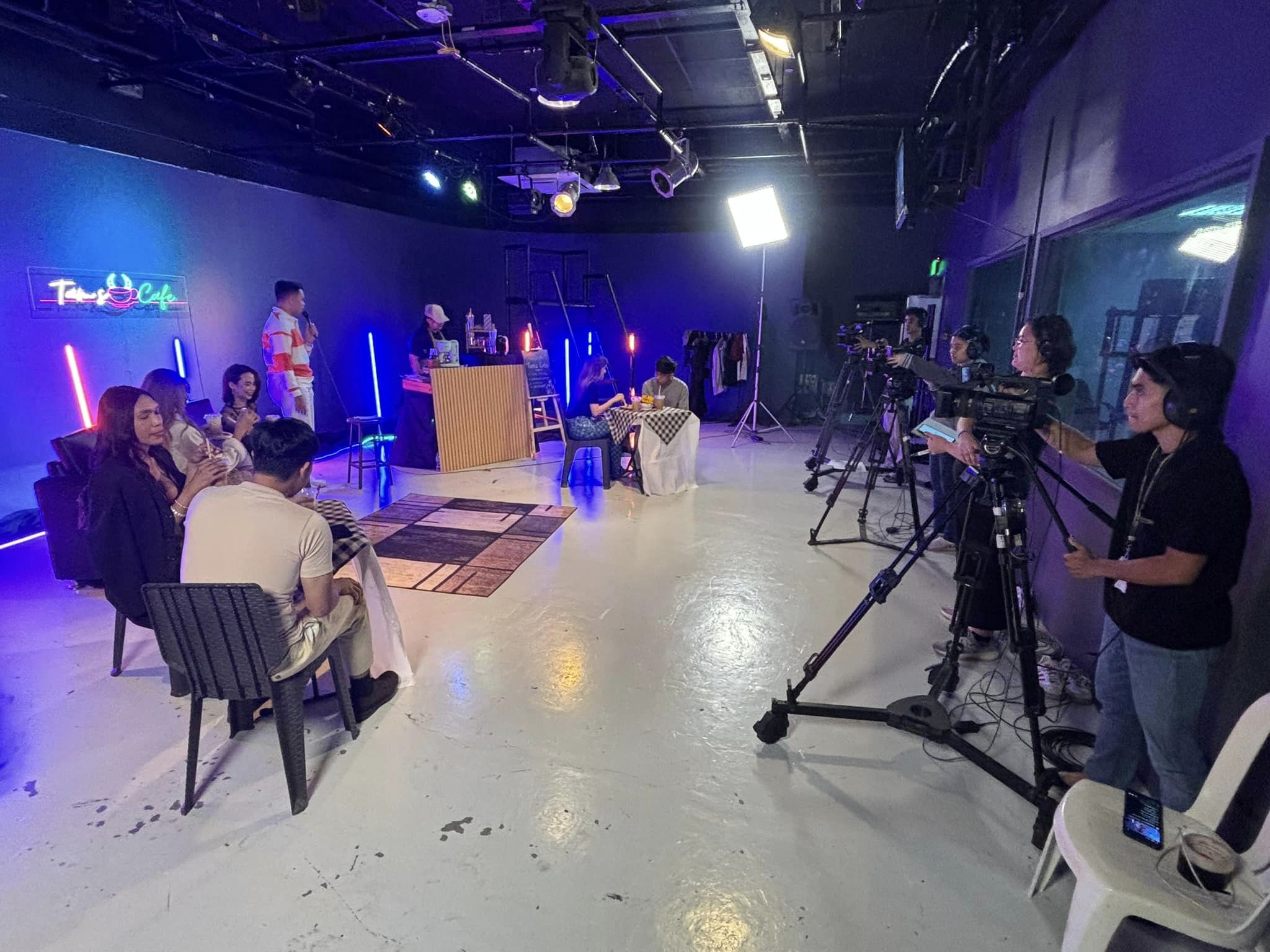
The Bachelor of Arts in Communication (BA Communication) is a four-year undergraduate program designed to prepare students for professional practice in the dynamic fields of media and communication.
The program follows an outcomes-based curriculum designed to develop the essential 21st-century competencies of information, media, and technology skills; learning and innovation skills; effective communication; and life and career skills.
Grounded in the interdisciplinary nature of communication, the program equips students with competencies to become critical thinkers, creative communicators, and socially responsible media practitioners capable of working across traditional and emerging media platforms.
Students gain theoretical knowledge and practical skills in communication research, media production, storytelling, digital communication, and strategic communication planning. The program also emphasizes ethical communication practice, leadership development, and collaboration in diverse professional environments.
To allow students to develop expertise in specific areas of communication practice, the BA Communication program offers three specializations: Digital Film and Media Production, Multimedia Journalism, and Strategic Communications.
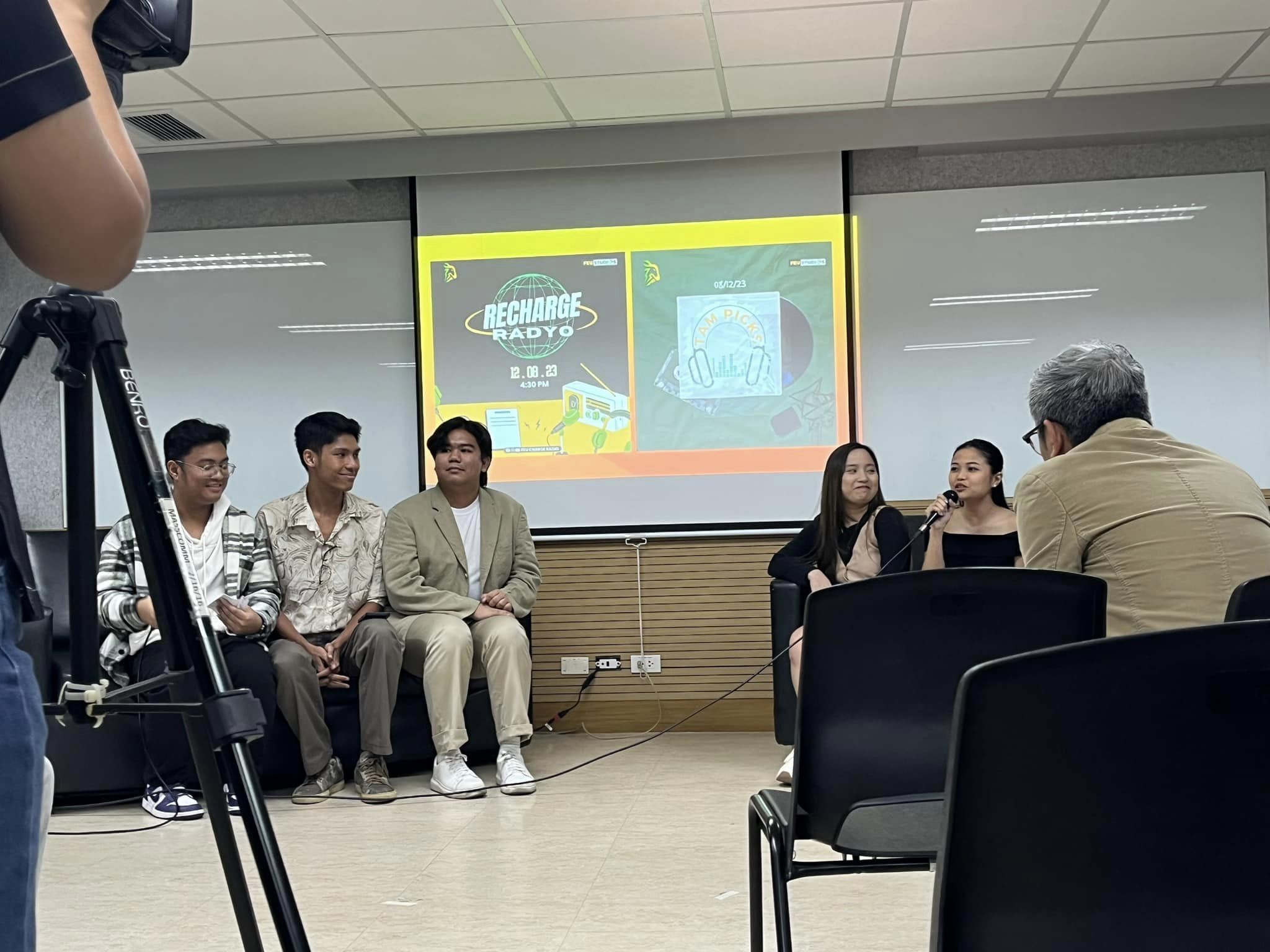
Specializations
Digital Film and Media Production
The Digital Film and Media Production specialization merges theory and practice in developing students’ creative and technical skills in filmmaking and audiovisual media production.
Students receive comprehensive training in storytelling, cinematography, editing, and digital media production while working with contemporary media technologies. Guided by both academic mentors and industry practitioners, the specialization prepares students to produce professional-quality film and video content for traditional and digital media platforms.
This specialization develops graduates who are capable of responding to the increasing demand for digital content creators in the expanding new media landscape.
Multimedia Journalism
The Multimedia Journalism specialization integrates journalistic principles with multimedia storytelling in today’s convergent media environment.
Students develop strong competencies in news writing, research, reporting, multimedia production, and digital storytelling while strengthening their critical thinking and analytical skills. Through project-based learning and hands-on training, the specialization emphasizes ethical journalism and responsible information dissemination.
Graduates are prepared to work as journalists and media producers who can create content across print, broadcast, and online platforms while navigating the rapidly changing information landscape.
Strategic Communications
The Strategic Communications specialization integrates the fields of advertising, public relations, and integrated marketing communications within a strategic communication framework.
Students learn how to design, implement, and evaluate communication campaigns that address specific organizational and audience needs. The specialization emphasizes strategic planning, audience analysis, media planning, and campaign execution across multiple communication platforms.
Through hands-on projects and real-world simulations, students gain practical experience in developing communication campaigns, brand messaging, and digital marketing strategies while recognizing the diversity of audiences in contemporary communication environments.
Department’s Vision and Mission
Vision
Guided by the Department’s guiding principle “May Alam, May Pakialam”, communicators who are knowledgeable and socially engaged, the Department of Communication aspires to be recognized as a leading communication school that forms ethical, creative, and socially responsible media and communication professionals.
The department envisions graduates who contribute to social and moral transformation and national development through responsible and innovative communication practice.
Mission
The Department of Communication is committed to developing communication professionals who embody the FEU core values of Fortitude, Excellence, and Uprightness, while demonstrating intellectual rigor, creativity, and social responsibility.
Through interdisciplinary education, professional training, and industry engagement, the department aims to:
• Produce communicators and communication managers who uphold the highest ethical standards in media and communication practice
• Develop graduates who demonstrate critical thinking, creativity, and professional competence across diverse communication fields such as journalism, film, strategic communication, and digital media
• Encourage scholarly research and creative work that contribute to media development, cultural understanding, and social transformation
• Form communication practitioners who are both informed (“may alam”) and socially engaged (“may pakialam”) in addressing contemporary communication and societal issues.
Program Objectives
Aligned with the vision and mission of Far Eastern University and the Department of Communication, the Bachelor of Arts in Communication program aims to:
• Develop communication prime-movers, leaders, managers, and practitioners who exhibit the FEU core values of fortitude, excellence, and uprightness, and who demonstrate professional competence in the areas of digital film and media production, multimedia journalism, and strategic communications.
• Produce scholarly research and creative works that are critical, ethical, and socially relevant, contributing to the advancement of media, communication, and society.
• Build sustainable partnerships that promote media and information literacy, local cultures in a global milieu, and advocacy programs that safeguard media freedom and responsibility.
• Provide platforms for dialogue and engagement on issues, trends, and solutions to problems related to the interplay of media, communication, society, and culture.
These objectives reflect the Department’s commitment to forming communicators who are both knowledgeable and socially engaged, guided by the principle of “May Alam, May Pakialam.”
Programme Expected Learning Outcomes (PELOs)
Upon completion of the coursework, graduates of the Bachelor of Arts in Communication program are expected to:
- Synthesize information needs and develop appropriate strategies through the production and utilization of communication texts across various media and communication platforms.
- Advocate for a media and communication environment that is:
- inclusive and respectful of differences;
- dynamic and convergent;
- critical and innovative; and
- socially and morally responsible.
- Design creative, innovative, and industry-facing communication content across multimedia platforms, applying artistic, technical, and strategic competencies in areas such as digital film and media production, multimedia journalism, and strategic communications.
- Develop an entrepreneurial and leadership mindset and competencies in planning, managing, and implementing communication initiatives and projects.
- Collaborate effectively in diverse communication contexts and environments, demonstrating professional responsibility and ethical communication practice.
The programme expected learning outcomes embody the Department’s guiding principle “May Alam, May Pakialam,” forming graduates who are both competent in communication practice and responsive to societal needs.
Curriculum and Program Structure
The Bachelor of Arts in Communication program follows an outcomes-based curriculum designed to develop the competencies required of communication professionals in the contemporary media environment.
The curriculum integrates general education, foundational communication courses, professional communication courses, and specialization courses, providing students with both theoretical grounding and practical training in communication practice.
The program has a total of 140 credit units, which include core communication courses, institutional and CHED-required courses, general education courses, specialization courses, and culminating academic requirements such as thesis and internship.
Students complete courses in communication theory, media laws and ethics, research methods, multimedia production, and communication management, ensuring a strong foundation in both the analytical and practical dimensions of the discipline.
Specialization Structure
To allow students to develop expertise in specific communication fields, the BA Communication program offers three specializations, which students pursue through a cluster of specialized courses under communication electives:
• Digital Film and Media Production
• Multimedia Journalism
• Strategic Communications
Each specialization provides focused training that integrates conceptual knowledge with industry-relevant skills, enabling students to apply communication theories and practices in different professional contexts.
Learning Progression
The curriculum is structured to progressively develop students’ competencies throughout the four-year program.
First and Second Year
Students complete most of their General Education courses and foundational communication subjects, which develop their competencies in critical thinking, research, writing, and communication analysis.
Third and Fourth Year
Students take advanced professional courses and specialization subjects, where they gain deeper expertise in their chosen field of communication practice.
These courses emphasize practice-based learning, allowing students to develop professional skills through production projects, research outputs, and collaborative communication initiatives.
Thesis and Internship
The program includes courses in communication research, culminating in a thesis or special project that allows students to demonstrate their analytical, research, and creative competencies.
In their final year, students are also required to complete an industry internship, where they gain supervised professional experience with partner organizations in the media and communication industries. This allows students to apply the knowledge and skills they acquired in the program within real-world communication environments.
Career Pathways
Graduates of the Bachelor of Arts in Communication program are prepared to pursue diverse professional roles in the media, communication, and creative industries. The program equips students with competencies in communication research, multimedia production, strategic communication, and communication management, enabling them to respond to the demands of contemporary media and communication environments.
Through the program’s specializations in Digital Film and Media Production, Multimedia Journalism, and Strategic Communications, graduates develop industry-relevant knowledge, technical skills, and professional competencies that prepare them for careers across various sectors of media and communication practice.
Digital Film and Media Production
Graduates specializing in Digital Film and Media Production may pursue careers in the creative and audiovisual industries, including roles such as:
• Film and Video Producer
• Film Director
• Screenwriter
• Cinematographer
• Videographer
• Film and Video Editor
• Production Manager
• Camera Operator
• Art Director or Set Designer
• Lighting Design Specialist
• Documentary Film Producer
• Digital Content Creator
These roles involve the conceptualization, production, and management of audiovisual media for film, television, digital platforms, and other emerging media environments.
Multimedia Journalism
Graduates specializing in Multimedia Journalism are prepared for professional practice in journalism and media production across multiple platforms. Career opportunities include:
• Multimedia Journalist
• News Reporter
• Digital Writer
• Broadcast Journalist
• Web Content Producer
• News Editor
• Social Media Producer
• Media Researcher
• Documentary Researcher
• Investigative Journalist
These roles require strong competencies in research, writing, reporting, and multimedia storytelling, enabling graduates to produce responsible and ethical journalism in a rapidly evolving media landscape.
Strategic Communications
Graduates specializing in Strategic Communications may pursue careers in organizational communication, advertising, public relations, and marketing communication. Career pathways include:
• Public Relations Specialist
• Communication Campaign Strategist
• Media Planner
• Advertising Account Executive
• Digital Marketing Specialist
• Brand Communication Manager
• Social Media Manager
• Integrated Marketing Communications Coordinator
• Corporate Communication Officer
• Communication Project Manager
These roles involve the development and implementation of strategic communication campaigns, audience engagement strategies, and integrated communication initiatives across multiple media platforms.
Overall, the BA Communication program prepares graduates to become competent, ethical, and socially responsible communication professionals who contribute to the advancement of media, communication, and society.

