What if discarded plastic could become part of a solution that improves people’s lives?
For Far Eastern University (FEU) Biology student Ronald Gabriel Teng, this question became the starting point of an award-winning innovation, turning his personal experience with mobility challenges into a project that aims to make orthopedic care more affordable and sustainable.
Teng, a BS Biology student specializing in Microbiology, secured first place at the Humanitarian Design and Social Enterprise Leadership Intensive held from July 20 to 24, at the University of the Philippines Diliman. Together with students from different academic backgrounds, he developed Pa’ang Masa, a social innovation project that aims to turn recycled plastic waste into affordable orthopedic devices.
The week-long program made possible by Lehigh University in Pennsylvania, US, brought together 17 student participants to develop practical solutions to pressing social and environmental challenges.
For Teng, the project was more than an academic undertaking. Living with Motor Neuron Disease and relying on an ankle-foot orthosis for mobility, he understands firsthand the difficulties faced by individuals who need assistive devices.
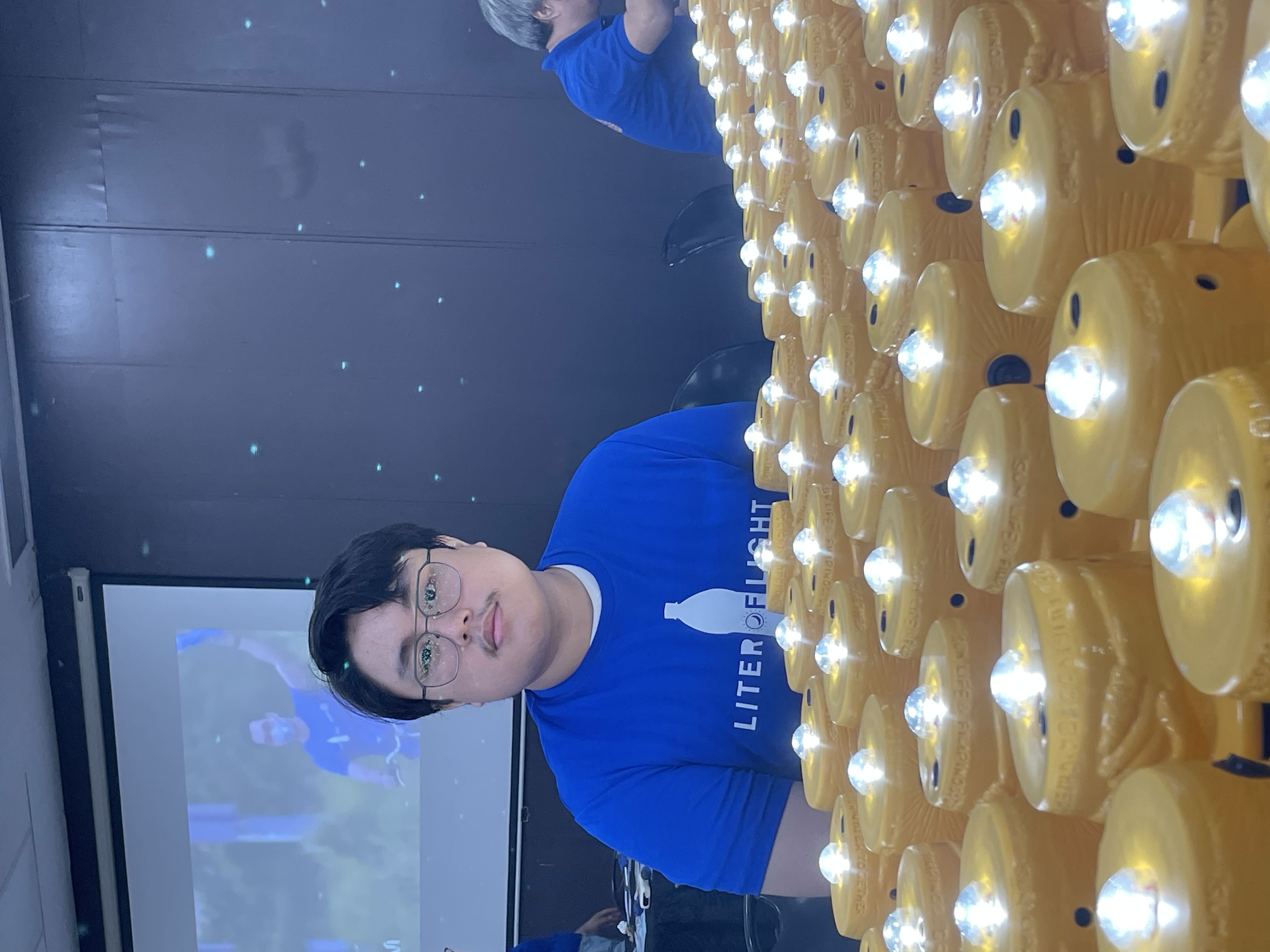
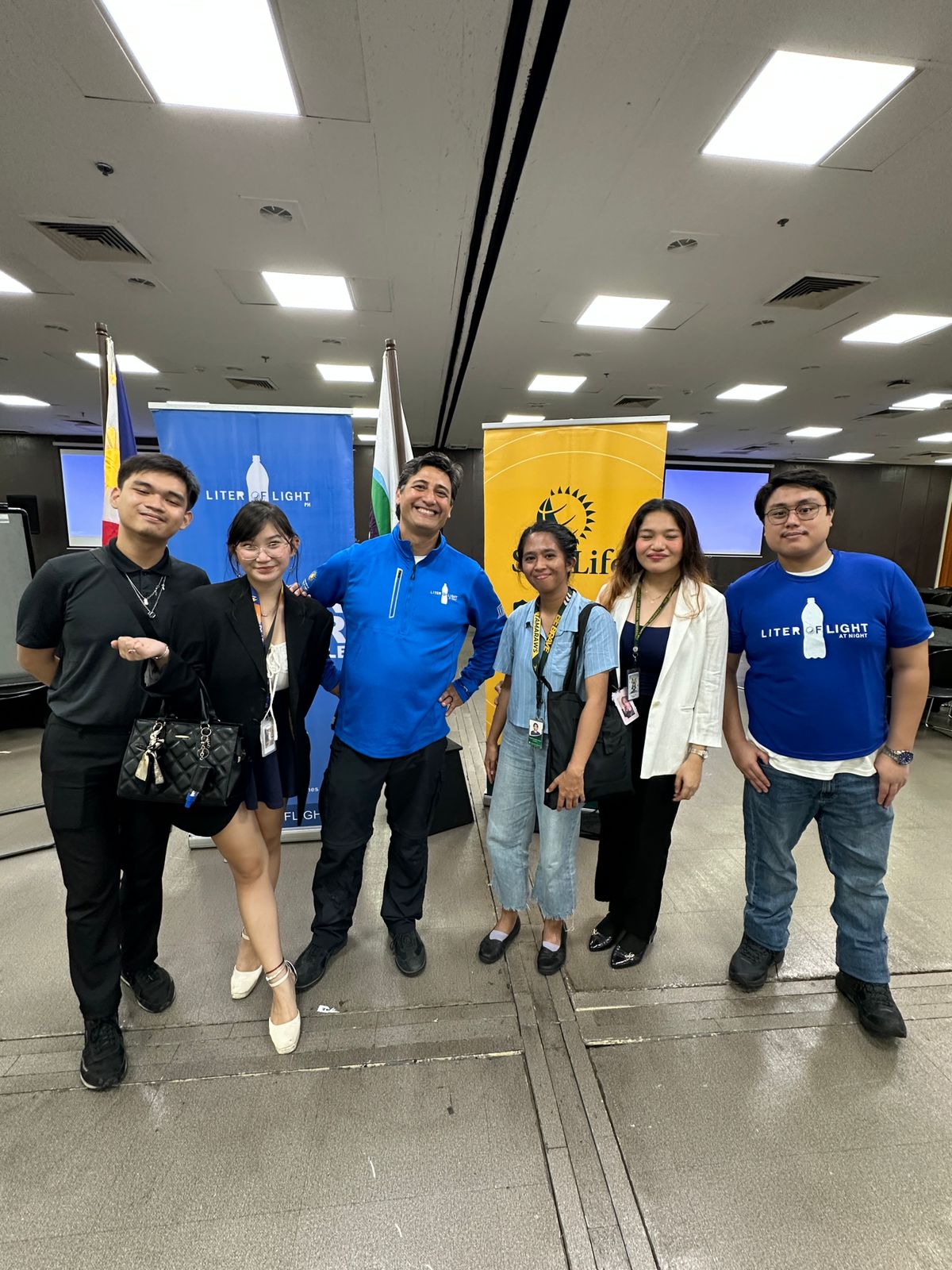
“Living with a disability is not just a personal challenge; it is a vital perspective for designing realistic, human-centered solutions,” Teng said.
Through Pa’ang Masa, Teng and his teammates Dale Louis Cortez, Arfelle Pivera, and Peter Andrei Resurreccion proposed transforming recycled plastic pellets into materials for affordable, customized orthotic devices using 3D-printing technology.
The project seeks to address two concerns in the Philippines: plastic pollution and the high cost of orthopedic care. According to Teng’s project presentation, imported orthotic devices can cost between P50,000 and P180,000, making them difficult to afford for many patients.
Developing the proposal within a week challenged the team to combine their knowledge of science, engineering, public administration, and design.
“Tackling a challenge in just one week was a major undertaking, [but] our team’s varied backgrounds complemented each other naturally,” Teng said.
Their proposal received encouraging feedback from international industry experts, who recognized its potential while emphasizing the importance of further clinical validation and equipment investment.
Beyond the competition, Teng continues to pursue environmental advocacy as co-founder of FEU Research and Outreach Organization Toward Sustainability and head of the Environmental and Sustainability Department of the Siklab Earth Initiative.
His team is also continuing to explore the technical and logistical requirements of Pa’ang Masa, with the long-term goal of making sustainable orthotic devices more accessible to Filipinos.
For Teng, the experience highlighted how collaboration across different fields can transform personal experiences into meaningful solutions for communities.
His achievement reflects how FEU students can bring their academic knowledge beyond the classroom, using research, creativity, and social responsibility to address real-world challenges.