From Fostering Kittens to Building a Movement
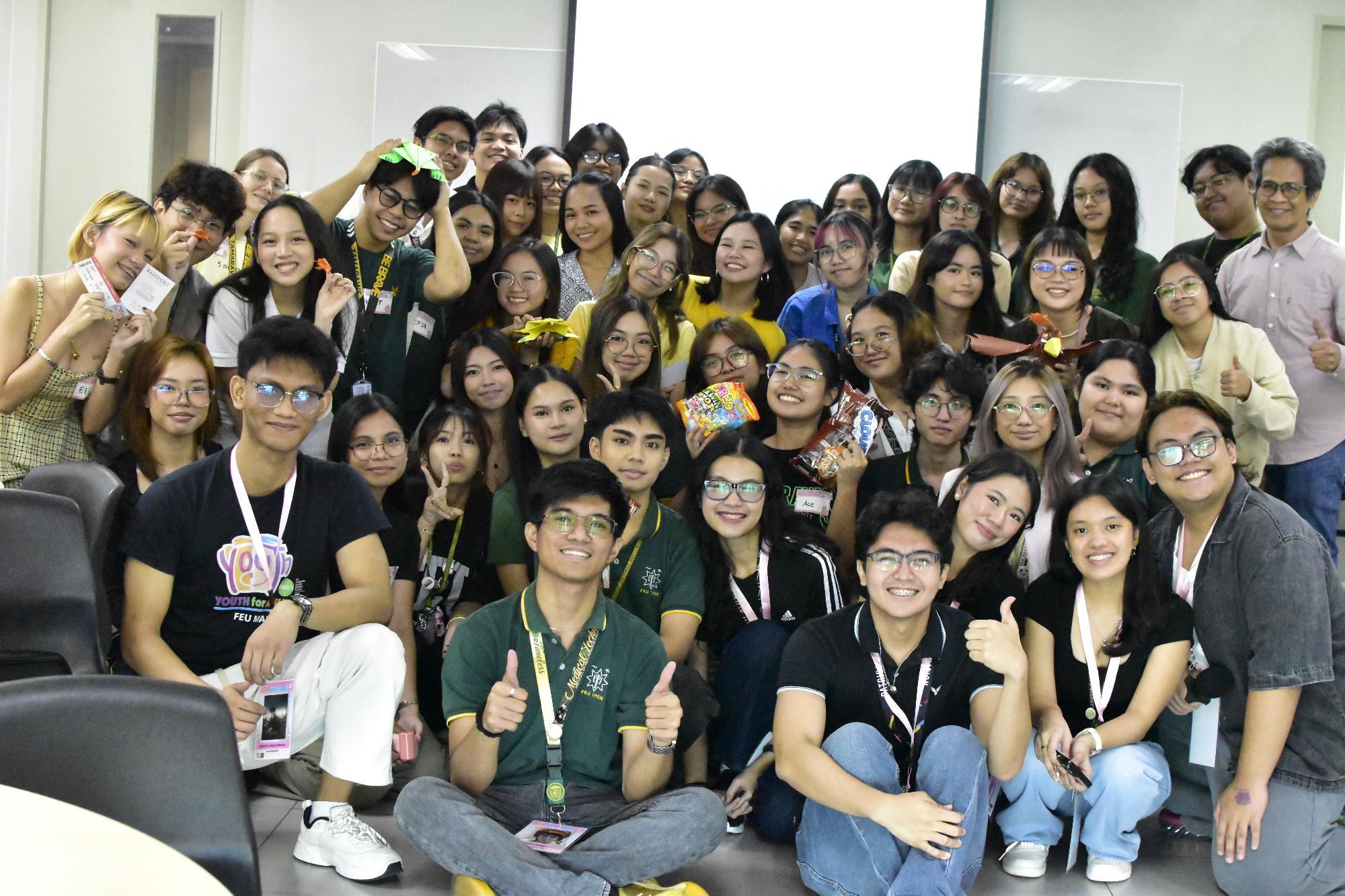
I presently serve as the President of the Youth for Animals – FEU Chapter. I help lead our organization in the advocacy of animal welfare and the responsible treatment of animals. We are an animal welfare organization under PAWS, working to educate, raise awareness, and create a more compassionate community for animals. For me, the most important part of this advocacy is encouraging people to be kind to all animals and to realize that animal welfare is not just the responsibility of animal welfare advocates, but a shared responsibility for everyone.
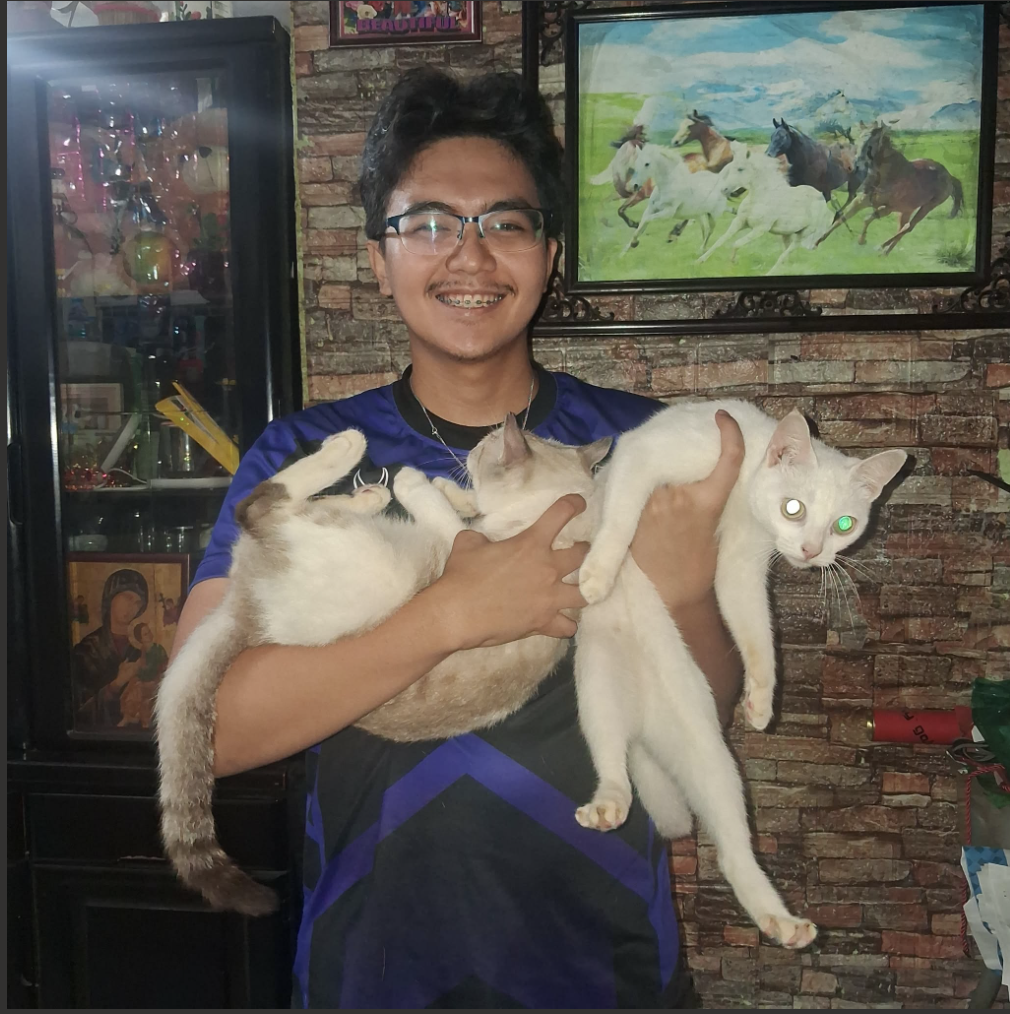

I have had a passion for this advocacy long before I joined the organization. I would take in and foster kittens as often as I could. But over time, I learned that although rescuing individual animals helped them, the stray animal population kept growing. I began to realize that I was only treating the symptoms of a much larger problem, not its root cause. This realization drove me to advocate for education and prevention, particularly in the areas of responsible pet ownership and spay/neuter. I realized that while rescue helps individual animals, education and prevention can help stop more animals from ending up in the same situation. It was this perspective that ultimately led me to help found YFA FEU and become more involved in animal welfare advocacy as its president.
It is a constant balancing act being a student and an animal welfare advocate. My daily routine consists of attending classes, fulfilling academic requirements, preparing for deadlines, and fulfilling my duties as the president of an organization. In between these duties, I communicate with our members, plan activities, attend meetings, and work on projects related to animal welfare. Being a fourth-year college student, it can be hard to juggle everything, but I try to make time for both because I think my responsibilities as a student and an advocate are equally important.
Balancing these advocacy responsibilities with my school workload has also been especially difficult. Sometimes, all the academic requirements, deadlines, and organizational duties come crashing together. It can be overwhelming, especially when I want to give my best to both. What gets me through is reminding myself why I started and realizing that part of leadership is learning how to manage responsibilities, ask for help, and work with other people instead of carrying everything myself.
One of the biggest challenges we have is accepting that there is a limit to what we can do to rescue animals directly. As students, we have limited resources, funding, and institutional support. We are not a rescue organization but an animal welfare organization, so we do not have the capacity to respond to individual rescue cases. It’s frustrating to see animals in need and know we can’t step in to help ourselves. But that’s also why it is important that we focus on education, awareness, and long-term solutions.
Despite these challenges, my commitment to animal welfare remains strong. I am motivated by the desire to create a safer and more compassionate community for animals, even if our initial reach is limited to the FEU campus. I do believe that real change doesn’t always start with something big. Small steps such as educating the public, encouraging responsible behavior, and making the campus more animal-friendly can be part of a much larger movement.
Working in this advocacy has also changed my perspective on compassion and responsibility. Compassion isn’t just feeling sorry for animals; it’s taking responsibility and doing something about their situation. There are other ways to help animals besides rescuing them: you can help by educating people, standing up against irresponsible owners, and holding people accountable. I have learned that community service is not only about helping people because animals are part of our community too and need to be cared for and protected.
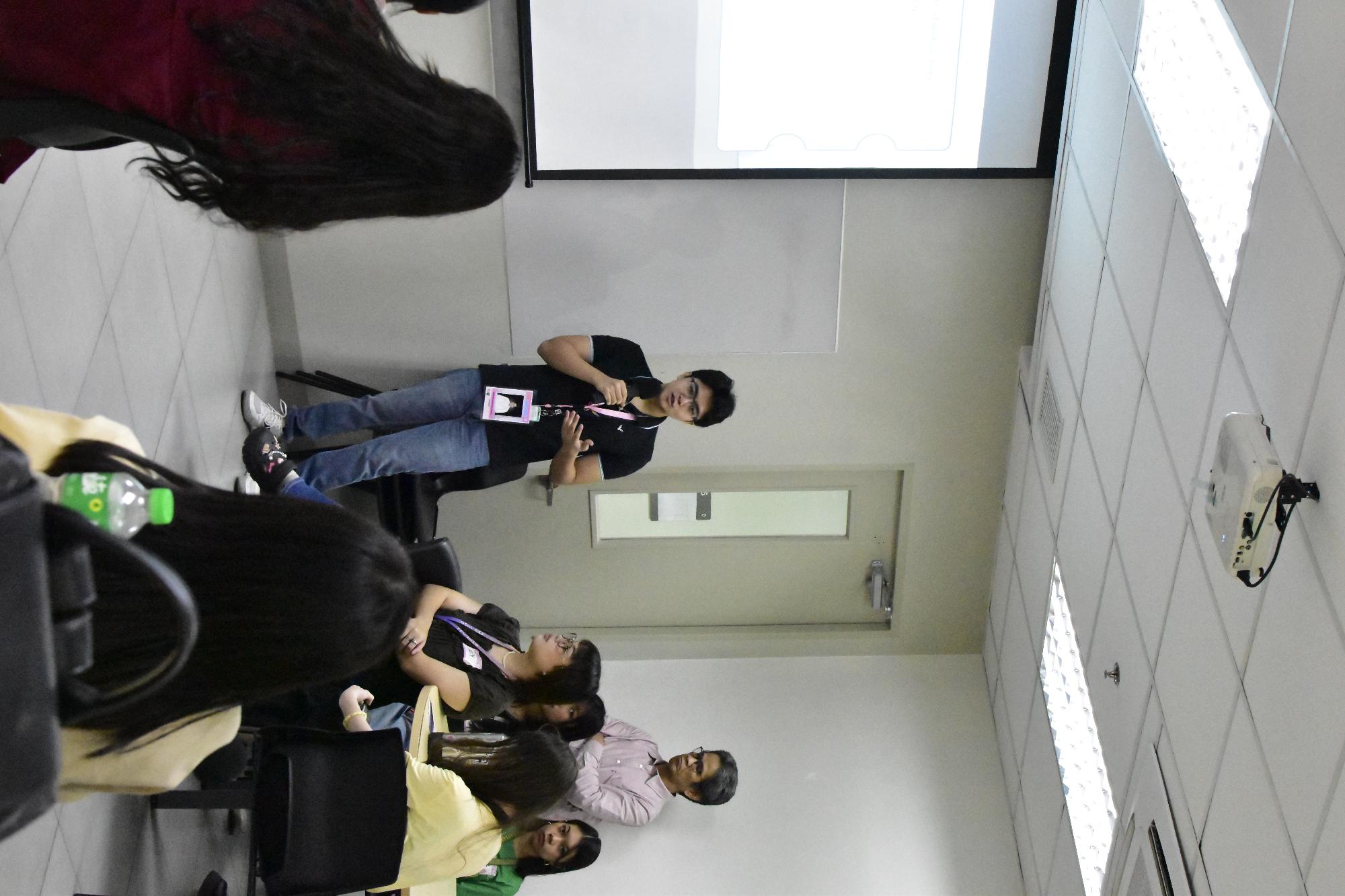
My fellow organization members and our adviser have been among my biggest sources of support and inspiration. Being surrounded by like-minded people reminds me that meaningful advocacy requires a community working toward the same goal.
I don’t have a rescue or adoption story to share through our organization because I believe our advocacy serves a different purpose. Our focus is on education and awareness to address the bigger issues behind animal welfare. One achievement I consider especially meaningful is signing up over 170 students for our organization in our first year. This is already a big success for me because it shows that there are people who are ready to learn, get involved, and become part of the advocacy. For an organization centered on education, each new member represents another opportunity to promote responsible pet ownership and animal welfare. I believe that success is not just measured by the number of animals we save but by the number of people we inspire to make a difference.
I want more people to understand that animal welfare is not the responsibility of animal advocates alone; it should be everyone’s responsibility. Animals are cute and fun to have around, but owning an animal is a lifelong commitment, not something to decide on a whim. Pets require proper nutrition, medical care, shelter, attention, and love. We should also remember that stray animals deserve kindness and respect even if we can’t adopt or rescue them ourselves. At the very least, we can choose not to harm them, support them when possible, and encourage others to show kindness.
I hope that, in the future, animal welfare will be more appreciated and will extend to all animals, not just our pets. I look forward to a safer, more animal-friendly campus where students and the institution understand the importance of protecting animals. As a student leader and advocate, my goal is to continue to educate, organize impactful initiatives, and inspire more student involvement. While we may not solve every challenge facing animals, I hope our work helps create a generation of more informed, compassionate, and responsible advocates both within and beyond FEU.