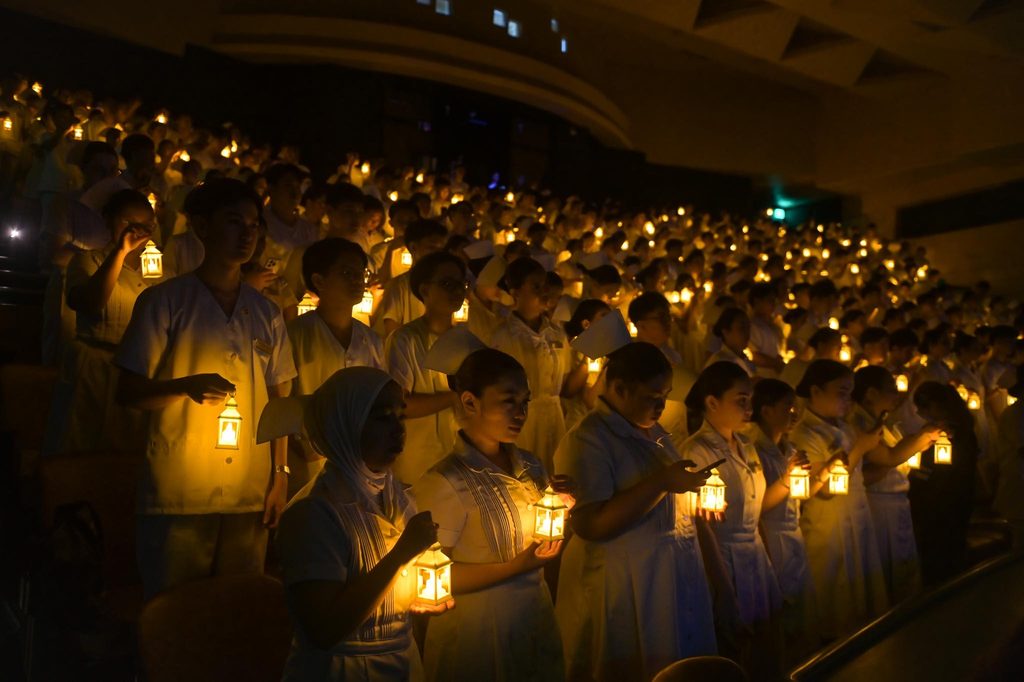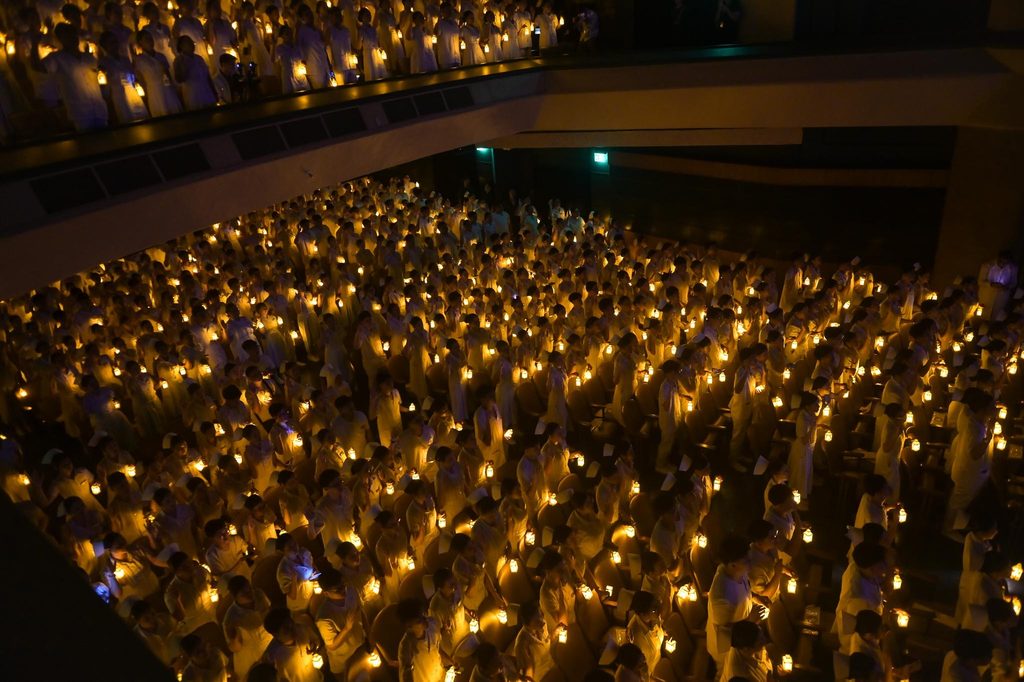
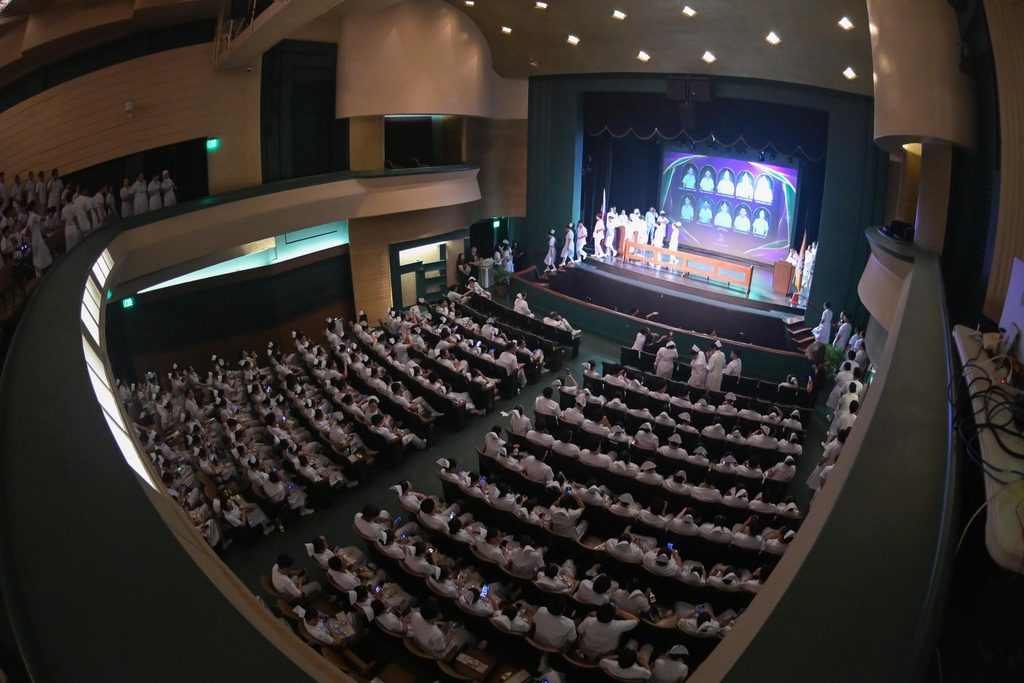
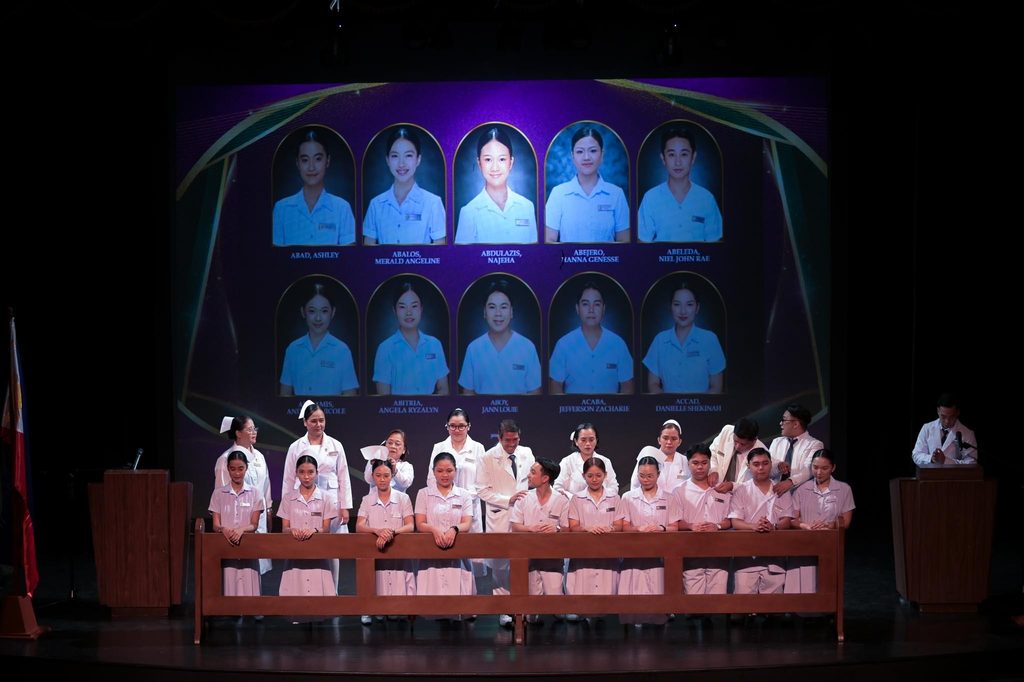
A candle will eventually burn out. The cap and pin received during a ceremony may one day be kept among the memories of nursing school. But for Batch 2029 of Far Eastern University’s Institute of Health Sciences and Nursing (IHSN), the 72nd Capping and Candle Lighting Ceremony carries a reminder that goes beyond the occasion: the responsibility of caring for another human being.
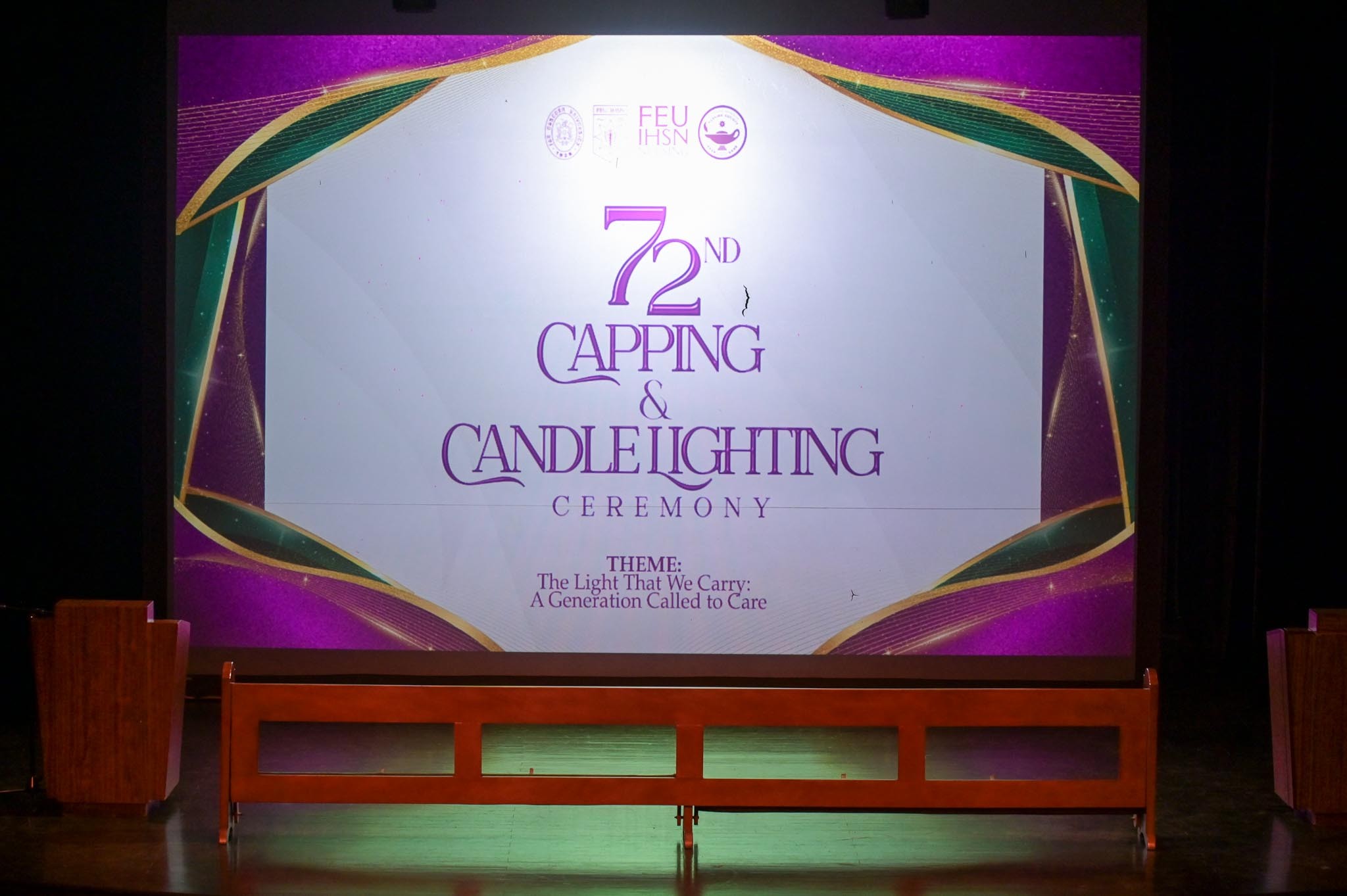
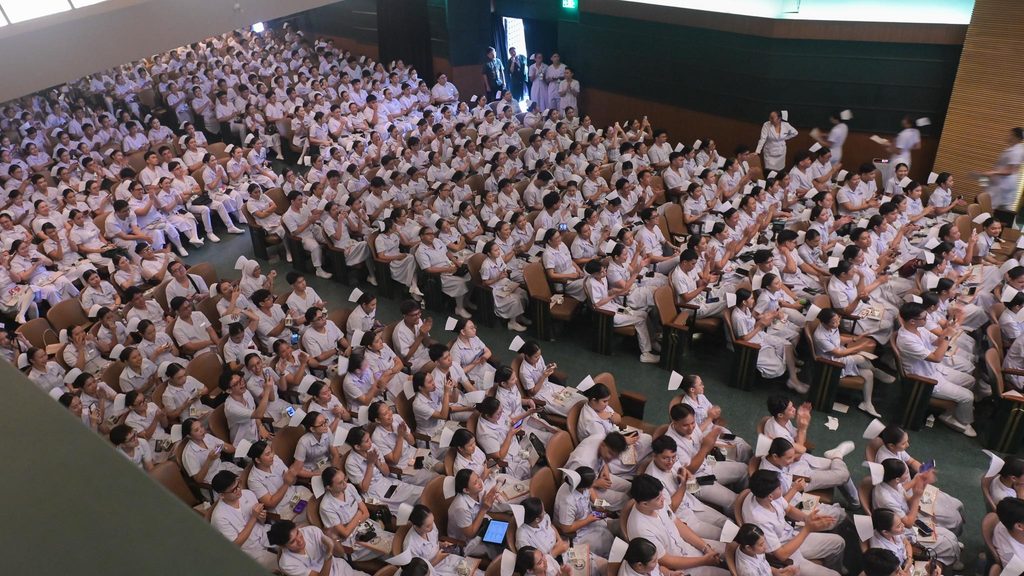
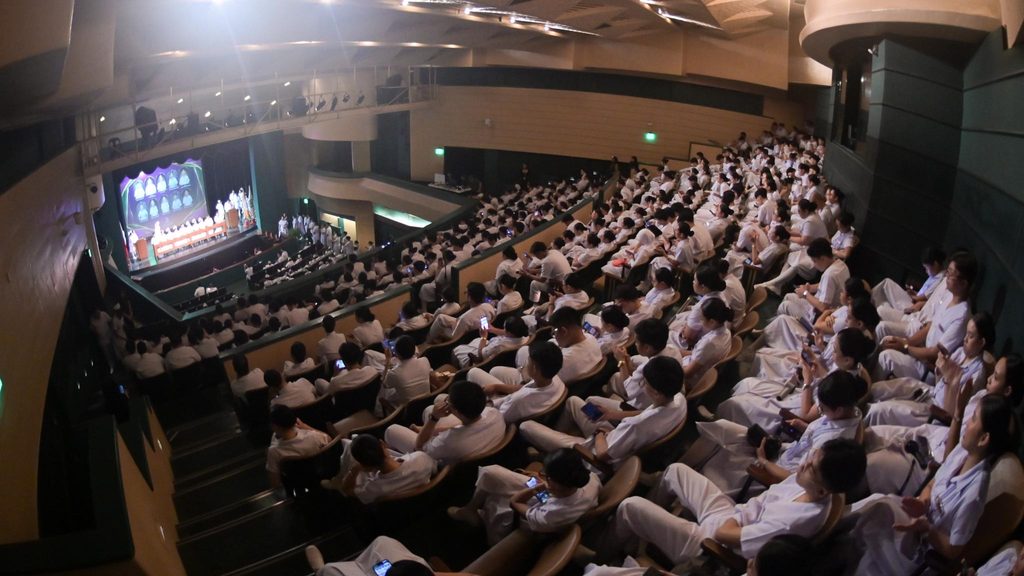
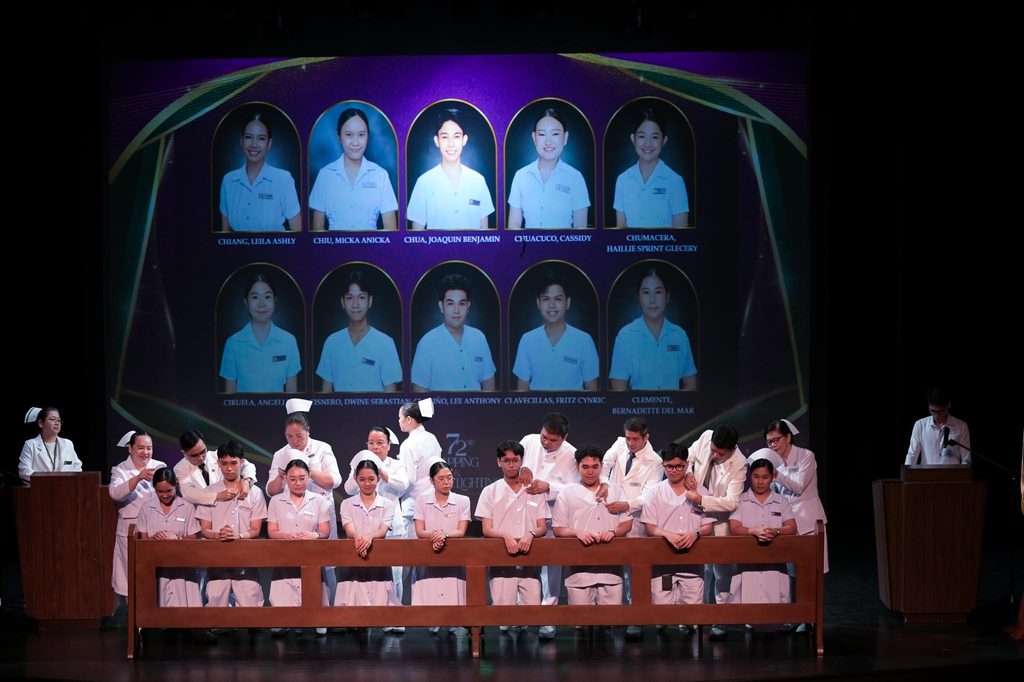
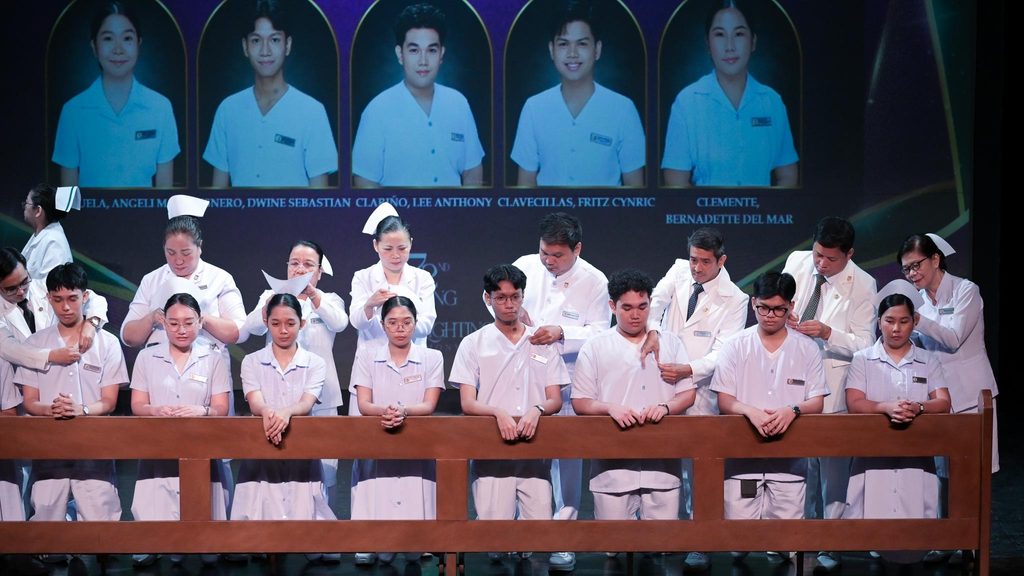
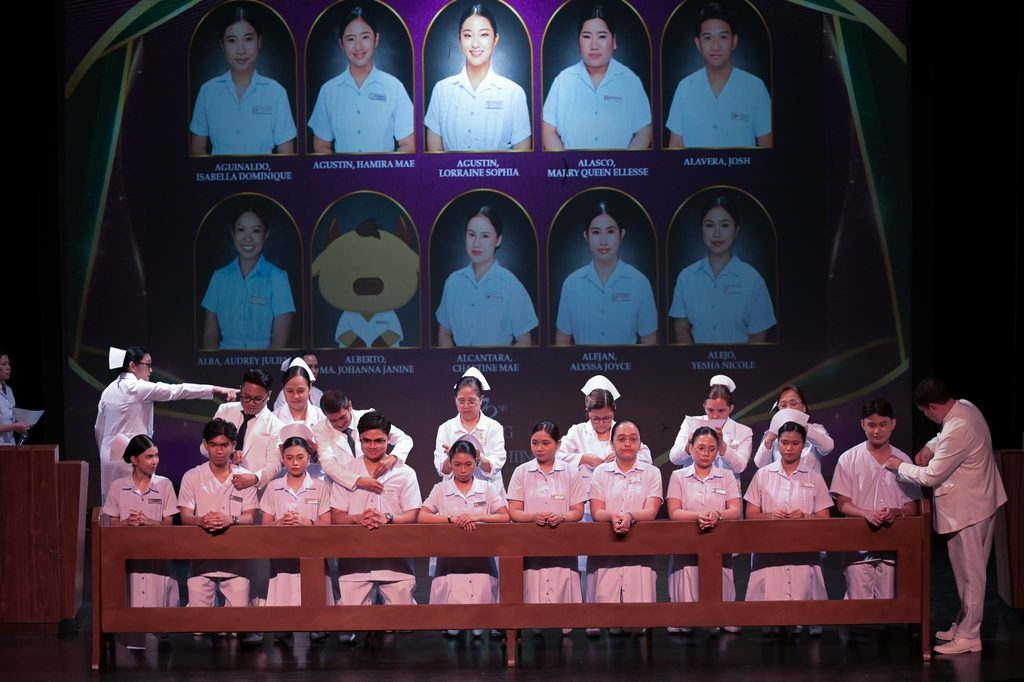
Held under the theme “The Light That We Carry: A Generation Called to Care,” the ceremony marked an important step in the students’ journey toward becoming nurses. The cap, pin, and candle are part of a long-standing nursing tradition, but their meaning goes beyond what the students hold in their hands. They represent the knowledge they must continue to develop, the trust they will be asked to earn, and the compassion they must learn to practice.
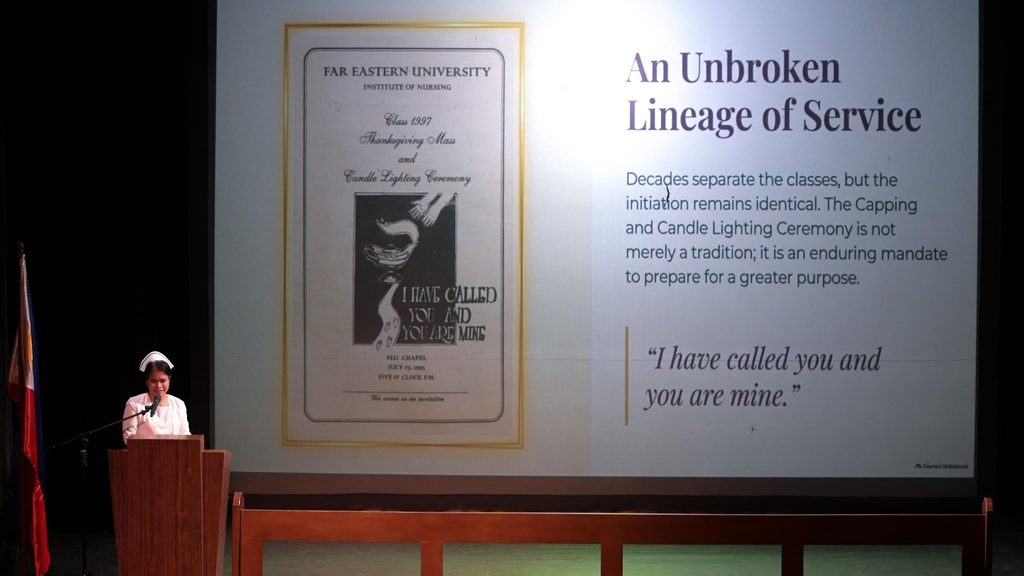
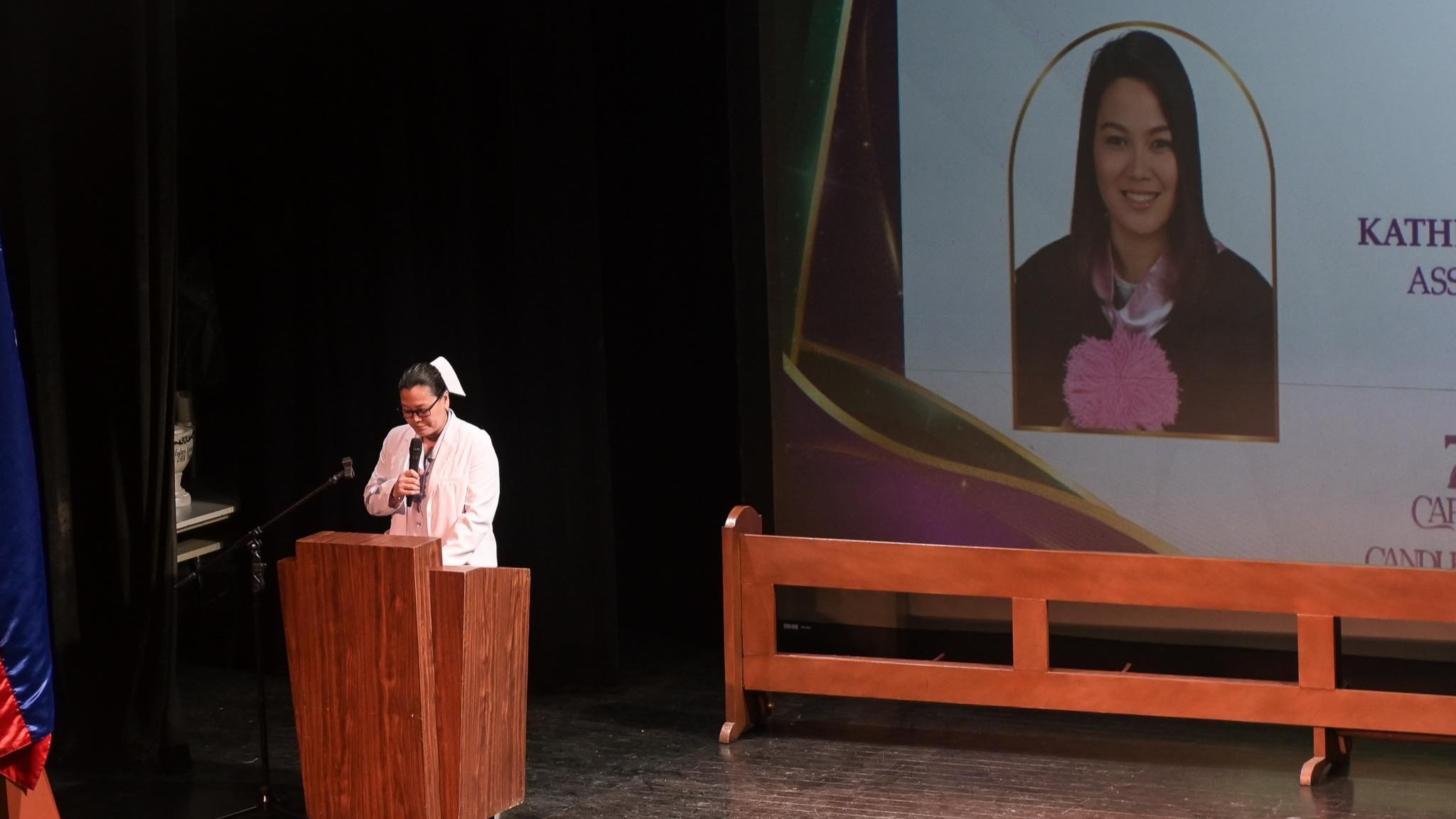
In their messages to the students, IHSN Dean Dr. Moira G. Uy, guest speaker Dean Rachelle Sarmiento, and Associate Dean Katherine Vera Santos, returned to a common idea: nursing is not defined by the symbols students receive, but by how they care for the people who will eventually depend on them.
Beyond the cap and candle
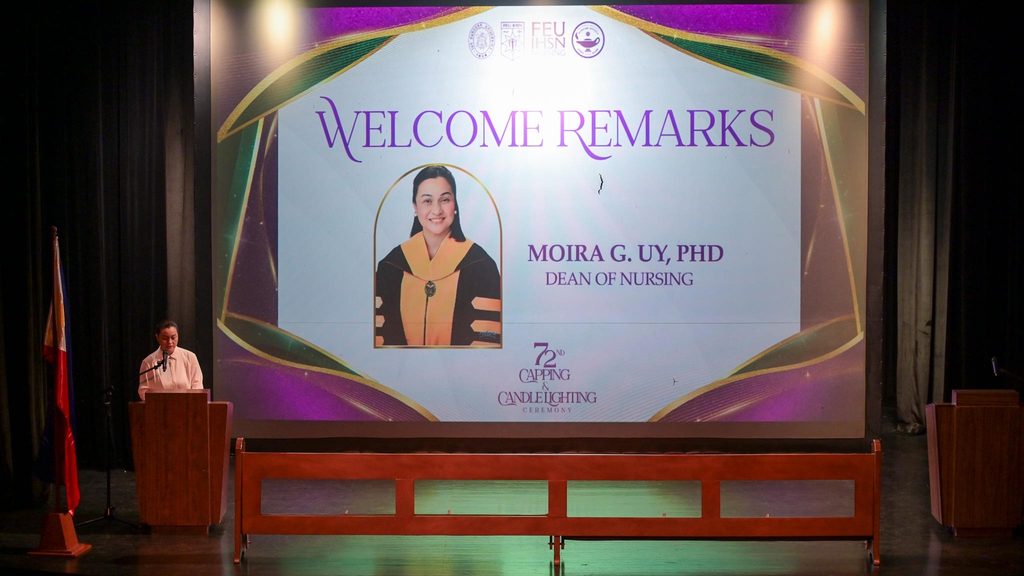
In her opening remarks, Uy reminded the students that the heart of the profession lies not simply in what a nurse knows or can do, but in the people who depend on that knowledge and skill.
“Nursing is more than acquiring knowledge, performing procedures, or earning a degree. At its heart, nursing is an act of service,” Uy said.
For her, that service means being willing to stand beside people when they are at their most vulnerable and offering more than competent care.
“It is a commitment to place the needs of others before your own comfort, to stand beside people during their most vulnerable moments, and to offer not only competent care, but also compassion, dignity, and hope,” Uy said.
The profession, Uy reminded the students, must always remain focused on the people receiving care.
“Nursing is never about the nurse. It is about the people we serve,” she said.
That trust is at the center of nursing. A patient may remember the treatment they received, but they may also remember the nurse who took time to explain a procedure, listened to their concerns, or helped them feel less afraid. For families, a few reassuring words can matter during a difficult wait.
Uy also reminded Batch 2029 that the values they develop throughout their training would stay with them long after the ceremony.
“This year, you will continue learning not only the science of nursing, but also the values that define our profession: service, humility, integrity, excellence, and respect for human dignity. These values will guide you far longer than any ceremony or milestone,” she said.
What it means to care
For Sarmiento, the meaning of the capping and candle lighting ceremony is something she has carried since she was a nursing student herself.
Sarmiento recalled attending her own capping ceremony in 1995, when she was a second-year nursing student. Returning to the tradition years later as a guest speaker gave her an opportunity to reflect on a profession that had taken her through clinical practice and into nursing education.
Her path was not exactly what she had imagined. She had wanted to become a doctor, but her father’s death changed the course of that dream. Her desire to care for the sick, however, remained.
“But then again, that didn’t stop me. I wanted to serve. I wanted to reach out for people and care for the sick. So the closest to it is nursing,” Sarmiento said.
What began as an alternative gradually became a profession she grew to love.
“But gradually, I started falling in love with nursing,” she said.
Her years in clinical practice, including almost seven years as a delivery room nurse, brought her close to the different realities of patient care. She witnessed the joy surrounding childbirth, but also the pain and loss that can accompany it. These experiences showed her that caring for patients also means understanding the families who go through those moments with them.
For her, the work of a nurse does not end with attending to a patient’s immediate needs. The presence of a nurse can also bring comfort to family members who are waiting, worrying, and hoping for the best.
She also reminded the students that nursing is a demanding profession, one that will require perseverance and a willingness to keep learning.
“As mentioned earlier, it will not be a bed of roses. But what will carry you forward is the love for nursing. Start developing that love,” she said.
Her experience also shows how the opportunity to serve can continue even when a nurse’s role changes. After years of clinical practice, Sarmiento moved into the academe, where she now helps prepare future nurses.
“When I was in the practice, [I was] able to touch [the lives of the patients and their families]. And now [that] I’m in the academia. I’m touching [the] lives of my colleagues and the rest of the other institutions. So the opportunity for us to touch lives is unending,” she said.
Her journey offers Batch 2029 a glimpse of how a nursing career can take different paths while remaining rooted in service. Whether at a patient’s bedside or in the classroom, there are still lives to touch and people who can benefit from a nurse’s knowledge and experience.
But before the students can fully take on that responsibility, they must learn to recognize the person behind every diagnosis.
Vera Santos addressed this in her closing remarks, reminding Batch 2029 that the ceremony was a step toward learning from actual patients, families, and experiences.
“The light that we carry. A generation called to care. Today, you received more than a cap, more than a pin, and you carried more than a candle,” she said.
“Your preparation does not end here. This is the beginning of a deeper responsibility,” Vera Santos said in Filipino.
That responsibility does not mean knowing every answer from the start. It means being willing to learn, recognize one’s limits, and ask for help when necessary.
“Being ready does not mean being free from fear. It means having the courage to step forward, the humility to ask for help, and the willingness to keep learning,” she said.
For Vera Santos, the people students will care for must remain at the center of everything they do.
“That person is someone’s parent, child, sibling, or a friend. Behind every diagnosis is a person who is afraid, hopeful, and placing their trust in you,” she said in a mix of English and Filipino.
A patient may need treatment, but they may also need someone who will take the time to listen and help them feel less alone.
“Sometimes you may not be able to take away a patient’s pain or have the right words to say, but you can stay. You can listen. You can help that person feel seen, respected, and less alone,” Vera Santos said.
She also said compassion must always be accompanied by the knowledge and judgment needed to provide safe care.
“But a caring heart must always be accompanied by competence,” she said, adding, “It is always better to ask than to guess when someone’s safety is involved.”
For future nurses, that responsibility also means making the right choices when no one is watching.
“What you do when no one is watching also matters. Choose honesty, even when admitting a mistake is uncomfortable. Choose kindness, even when you are tired,” Vera Santos said.
These are the everyday decisions that give meaning to the symbols students receive during the ceremony. As she reminded Batch 2029, “Wear your cap and pin with pride, but always wear them with humility.”
A light that lasts
The candle-lighting tradition also recalls Florence Nightingale, whose legacy has long been associated with nursing and the care of people experiencing suffering. During her talk, Sarmiento brought the students’ attention to the woman remembered for carrying a lamp as she “cared for wounded soldiers primarily during the Crimean War from November 1854 to July 1856.”
“Today’s ceremony, as mentioned, is not about us. It’s about the woman who brought light at night,” Sarmiento said.
In reflecting on Nightingale’s legacy, Sarmiento emphasized the importance of responding when people need help and remaining present even when their suffering cannot easily be relieved. It is a reminder that nursing is not only about knowing what to do, but also about recognizing when another person needs care, comfort, or someone willing to stay.
For Batch 2029, the candle represents a responsibility that extends beyond the ceremony. Its meaning will be carried into the way they speak to patients, protect their dignity, and respond when someone is afraid.
Vera Santos returned to this idea in her closing remarks, asking the students to remember that the candle they held that day would eventually be put away, but its meaning should remain.
“Someday you will no longer be holding that candle that you are carrying today, but I hope its light will remain in the way you speak to your patients, protect their dignity, and stay beside them whenever they are afraid,” she said.
The ceremony will eventually become a memory, but the work of becoming a nurse will continue. There will be more lessons to learn, skills to develop, and experiences that will shape how the students understand the profession.
As Sarmiento said, “Each and everyone carried their own light. Even without the candle, you will illuminate the world.”
For Batch 2029, that light will not be measured by the candle they held on to the day of the ceremony; it will be seen in the way they care for another person–with competence, humility, and compassion, especially when that person needs it most.