31 October 2026
My interest in sustainability has always felt somewhat innate. I have always been fascinated by life in all its vibrant forms. As a Microbiology student, I have the unique privilege of seeing how life on a microscopic scale profoundly affects our macro world. In the last half a decade, we know how SARS-CoV-2 leads to a pandemic, now we see microplastics, and pollution mediated diseases. Understanding microbes reminds me that even the smallest organisms can have a massive impact, mirroring how small, grassroots sustainable actions can drive significant global change.
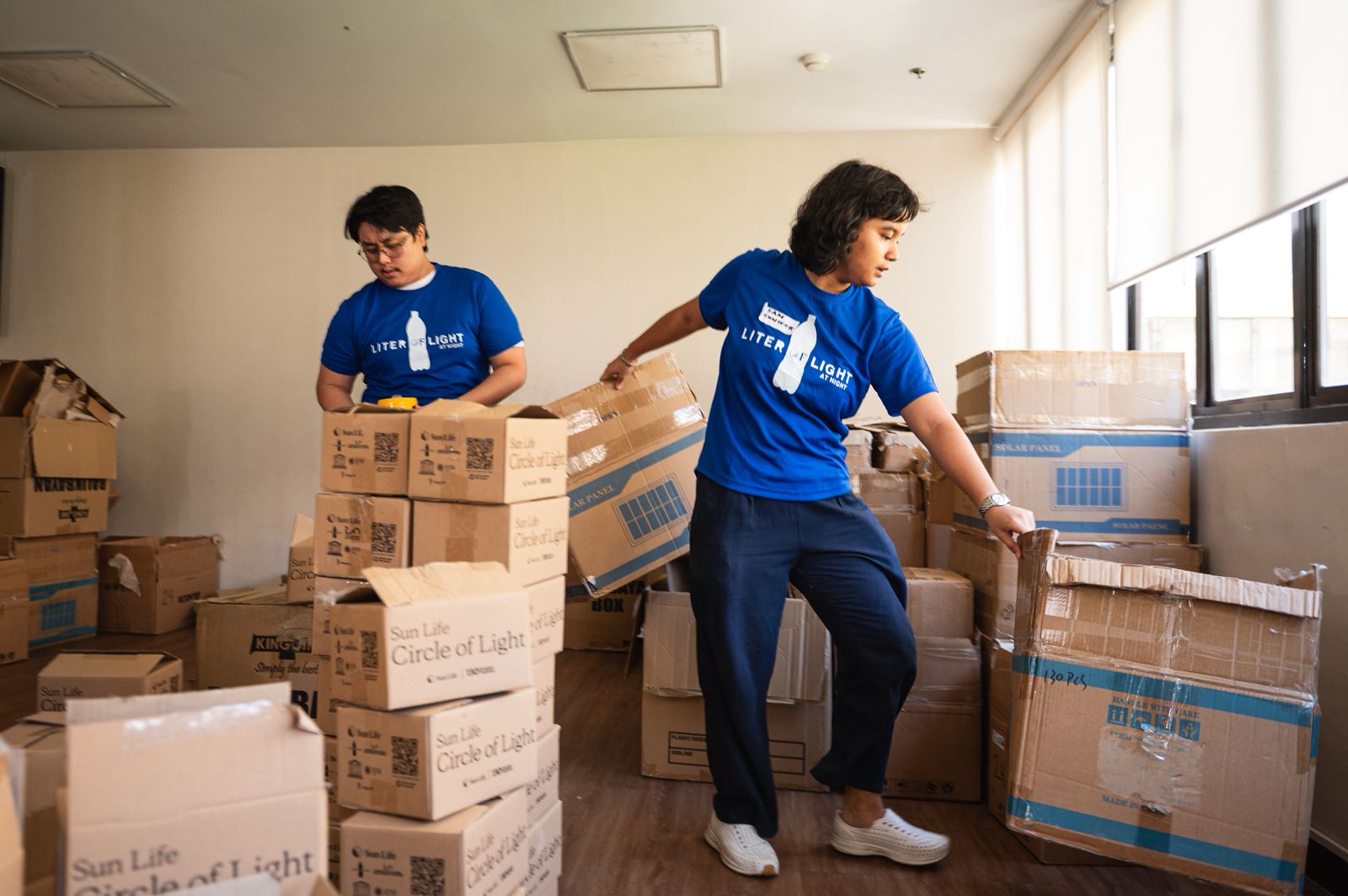
This philosophy drives my current advocacy work. This year, I had the honor of serving as a mentor for The Earth Prize with an international NGO in Switzerland, guiding a mentee team from Brazil to victory. Locally, I am channeling this energy into a project called Pa’ang Masa (For the People). In collaboration with students from UP Diliman and various supporters, including the Ayala Foundation, GCash Mentors, and the 3ZeroHouse network, we are exploring ways to transform plastic waste into accessible assistive devices; as a person with Motor Neuron Disease, I can see the great need for this. Furthermore, I serve as the current head of the environmental and sustainability department for the Siklab Earth Initiative, a YORP-registered NGO. Balancing these responsibilities with my studies is a daily challenge, but the synergy between my biology coursework and my advocacy makes it deeply rewarding, supported by networks that provide industry updates, technology spaces, and scholarships (e..g online courses, fellowships, etc). One thing I can advise is that what we learn in the classrooms must always be applied through research publication, projects and more.
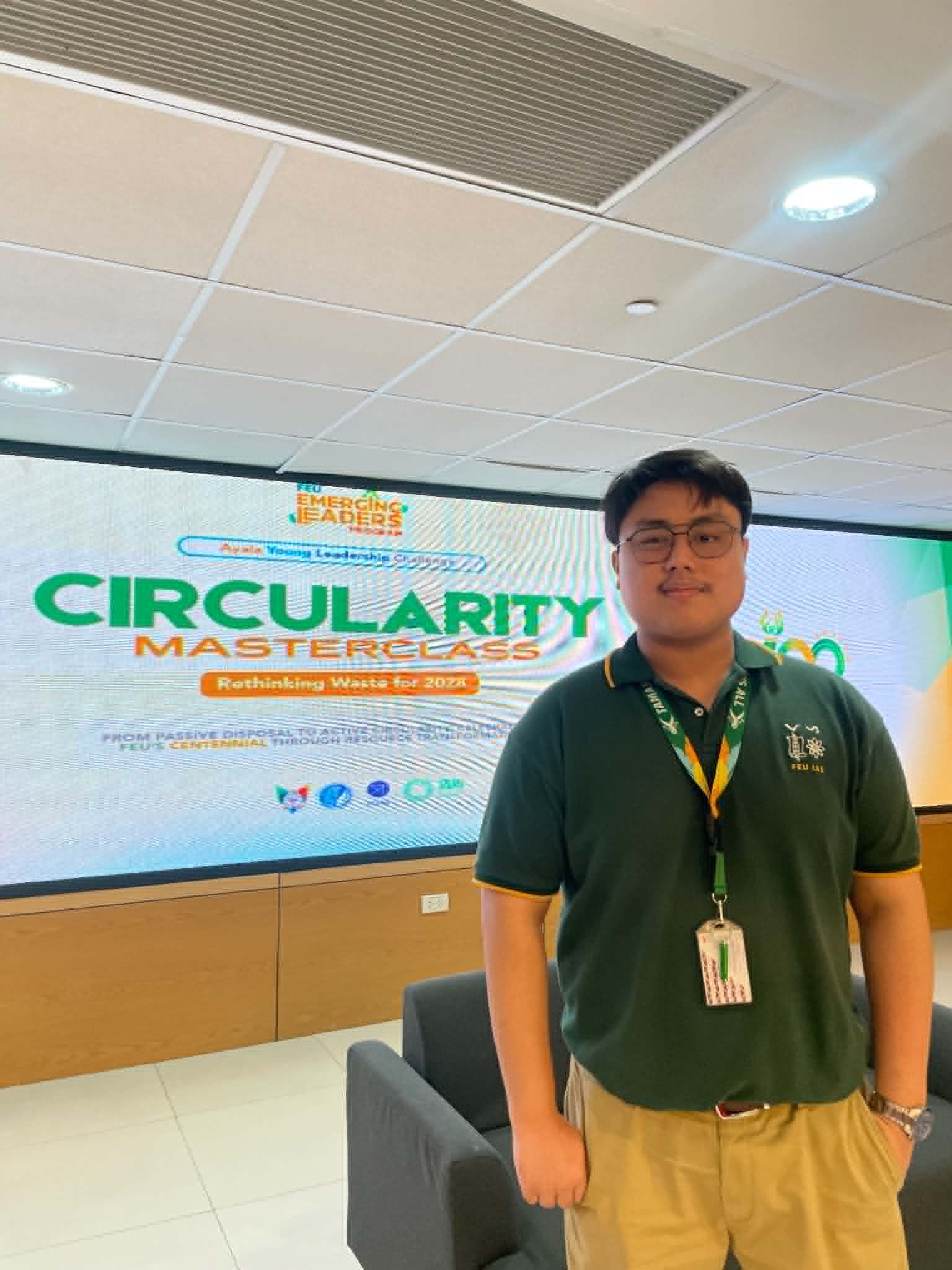
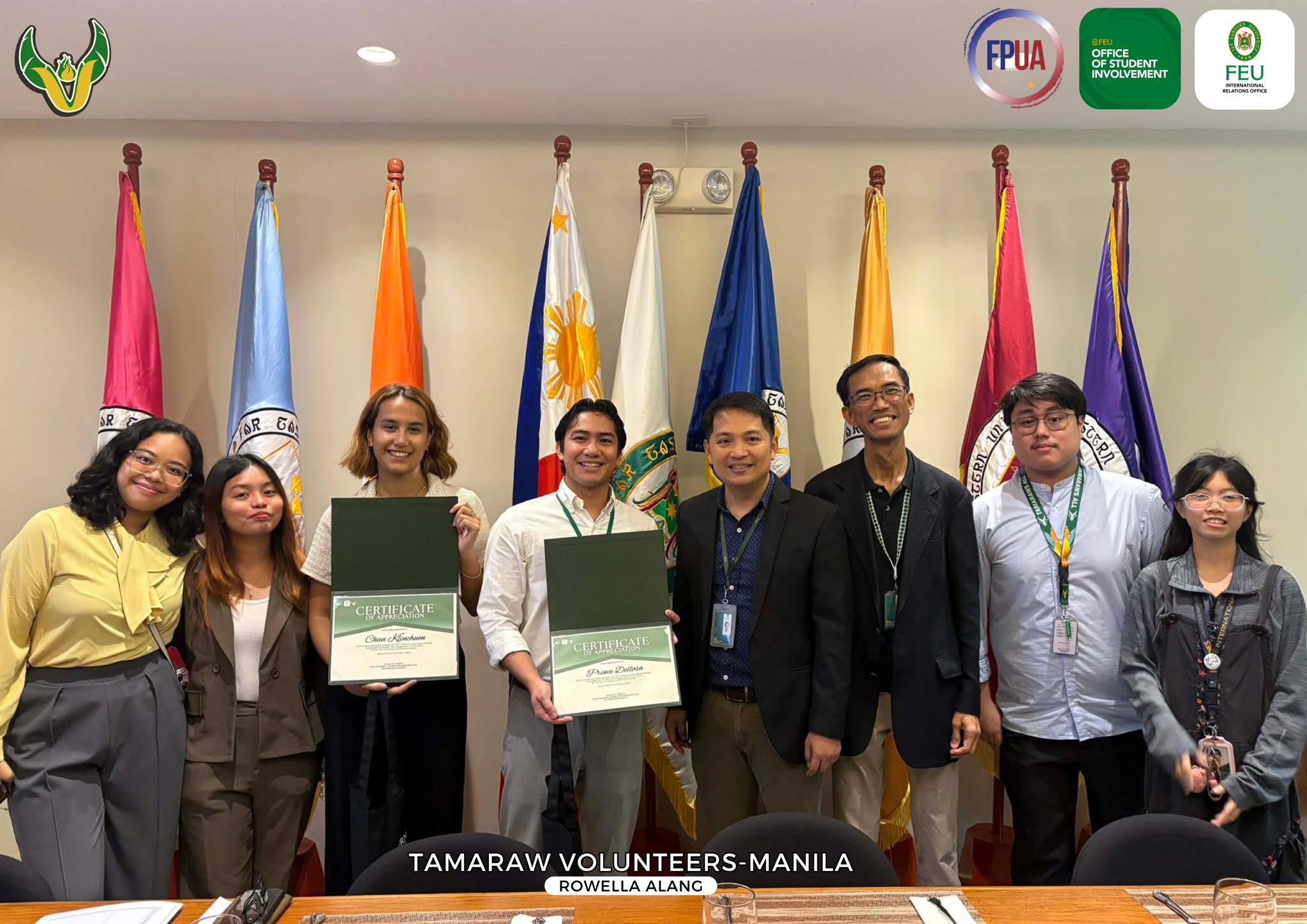
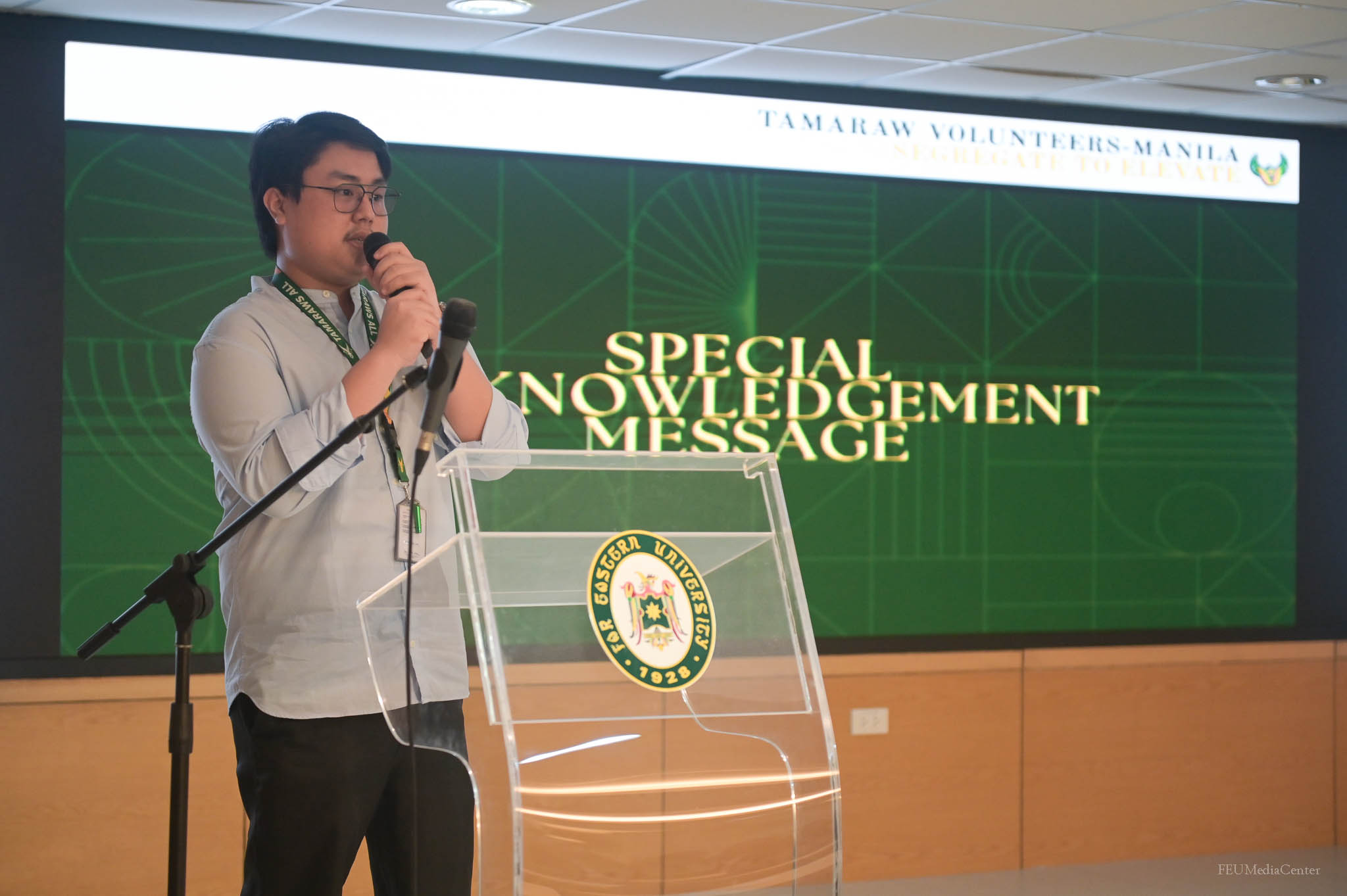
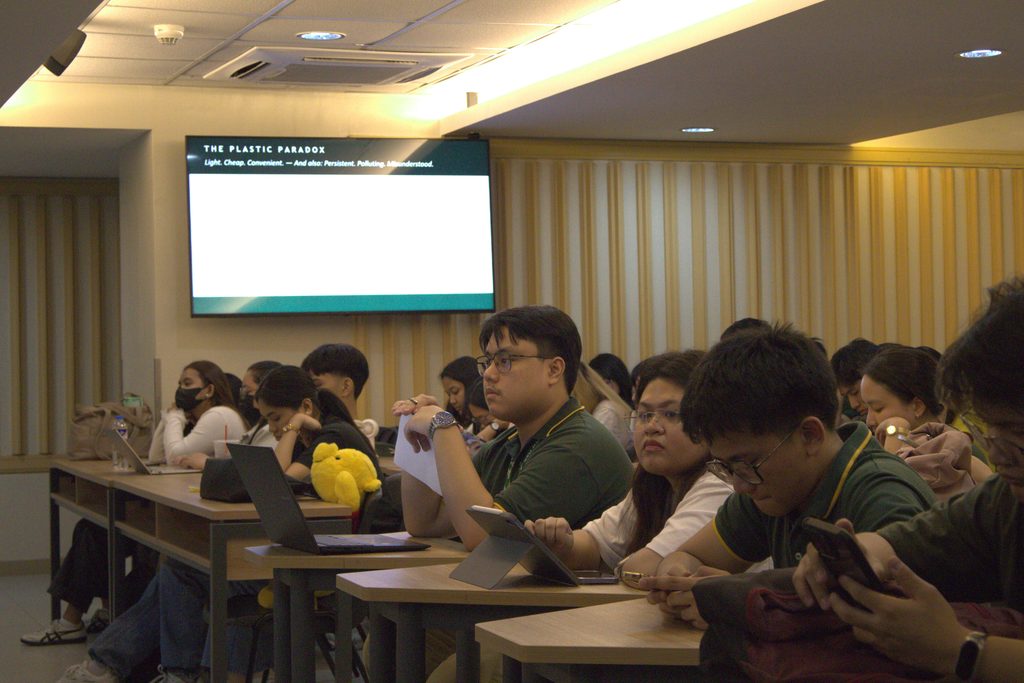
The greatest hurdle we face in promoting sustainability, however, is systemic: a lack of proper guidelines and grassroots literacy. To address this, I established the Circularity Masterclass as my flagship project as an Ayala Young Leader (Batch 2026). Through this initiative, we reached universities from Luzon all the way to Mindanao. We successfully merged sustainability into academic curricula—partnering with FEU’s General Education Department to enhance environmental ethics classes and integrating circularity concepts directly into Biology courses. We also collaborated with student organizations so their participation could be credited toward their return service programs (We reached hundreds of scholars!).
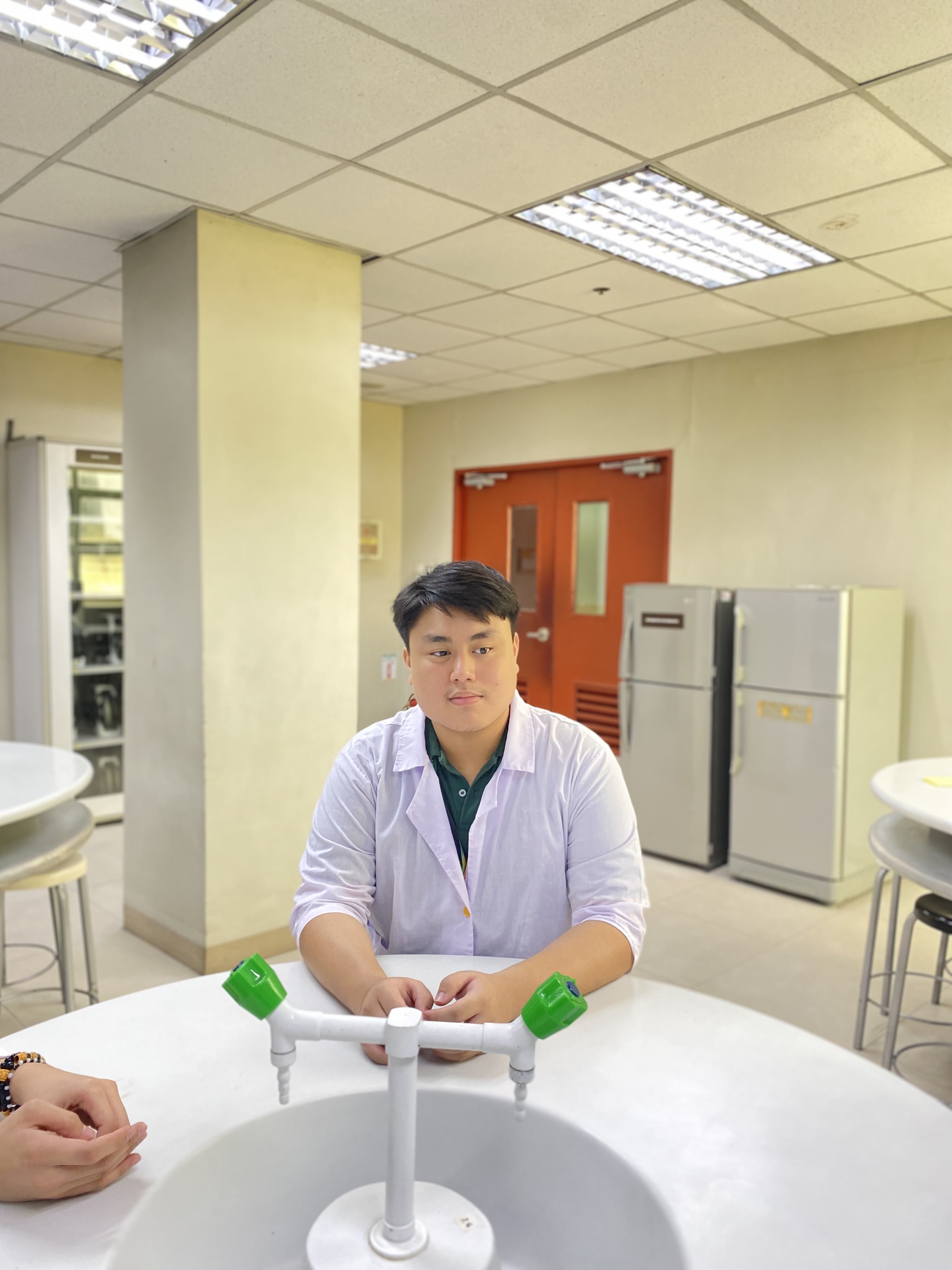
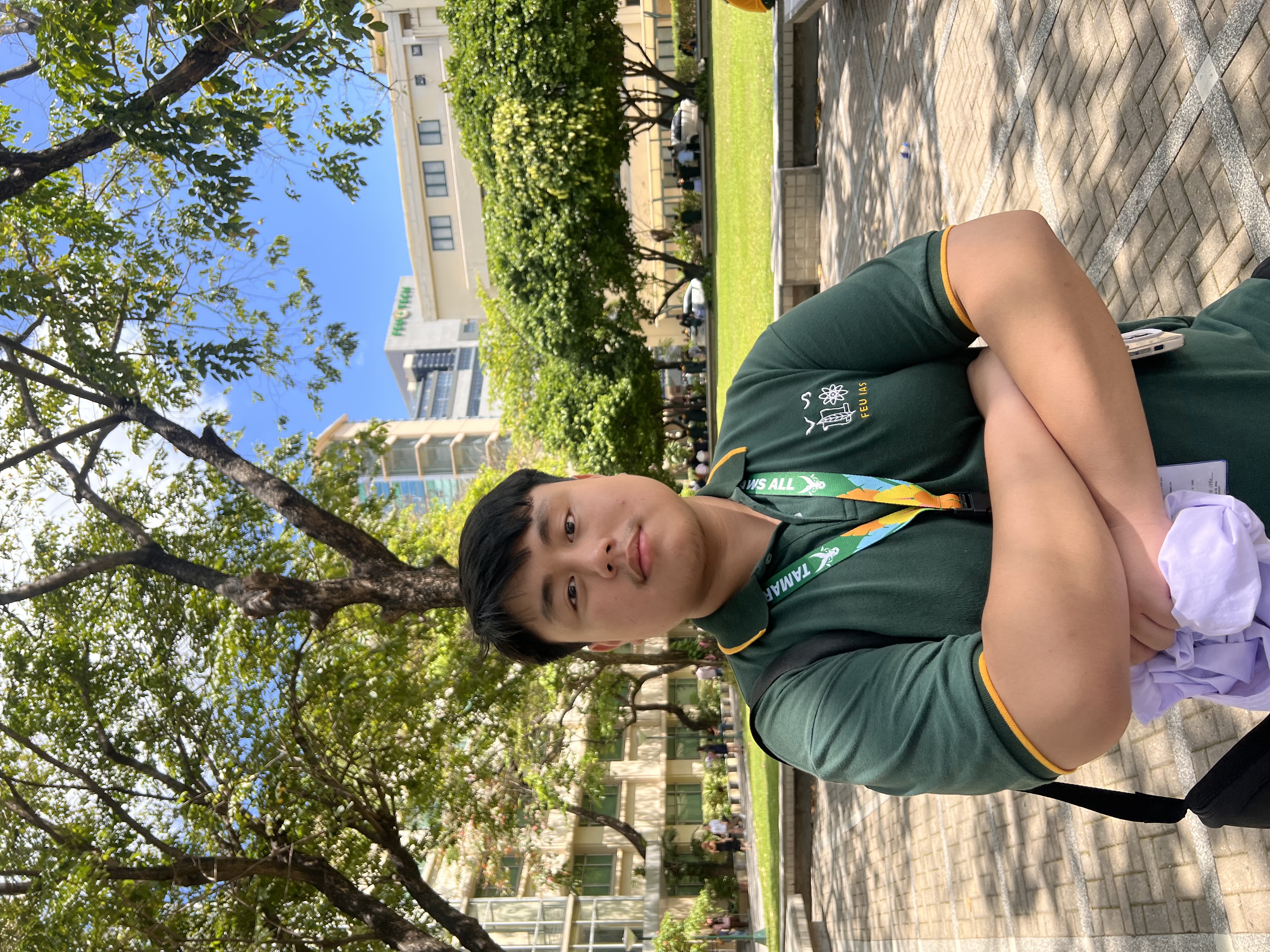
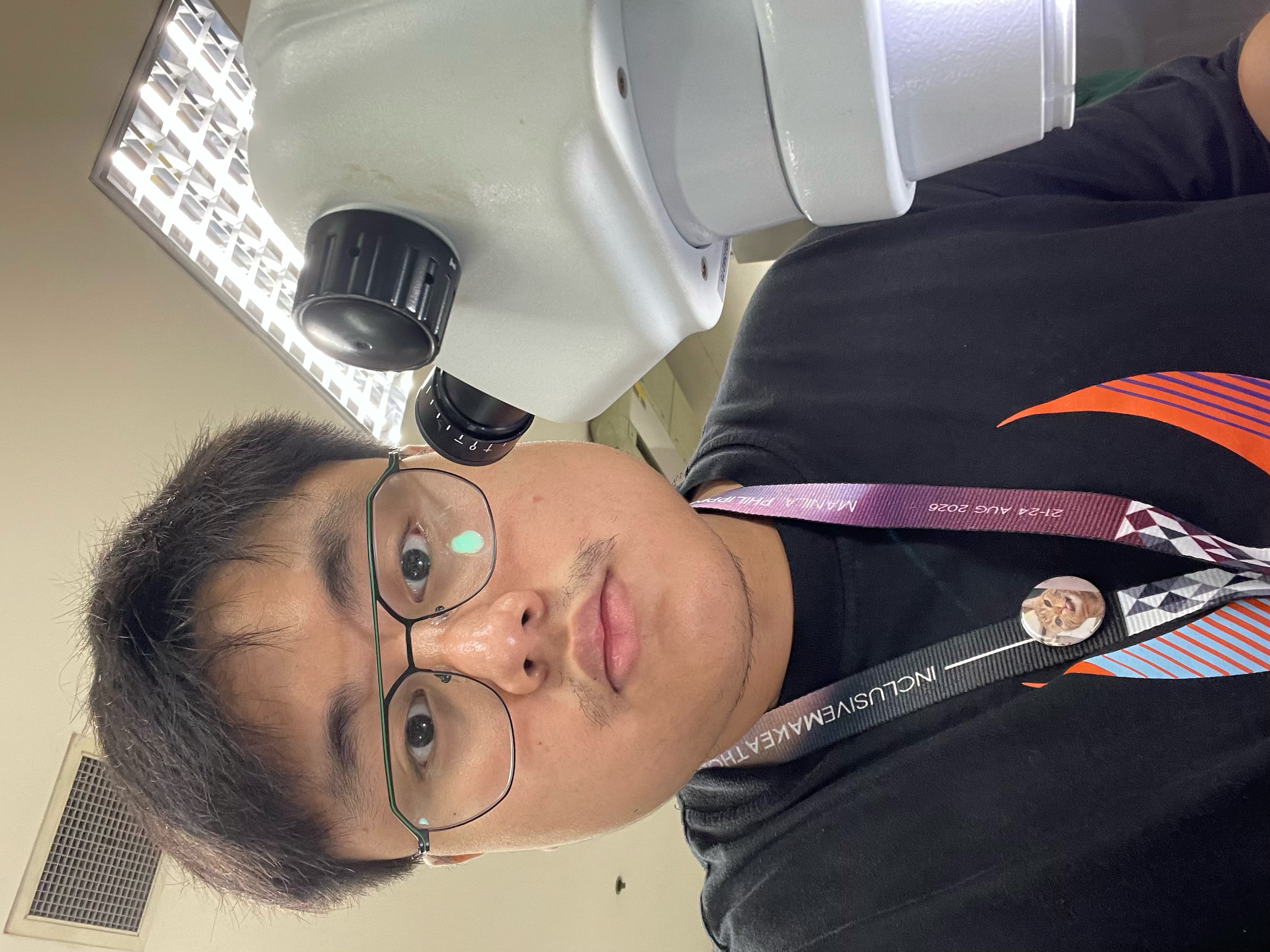
The impact of this education is vital because sustainability literacy remains one of our biggest challenges. Society demands the achievement of the 2030 Sustainable Development Goals, yet many people still do not fully understand what the term “sustainability” means. By connecting with a vast network of corporates, NGOs, SEOs, and government agencies, the Masterclass aimed to educate from the very beginning. I firmly believe that education leads to empowerment, and empowerment leads to employment. This momentum ultimately culminated in my team and I founding FEU ROOTS (Research and Outreach Organization Toward Sustainability). It is the first organization of its kind at FEU, serving as a unified space where the advocacies of various organizations can merge, and where new ideas, policies, and commitments can truly thrive.
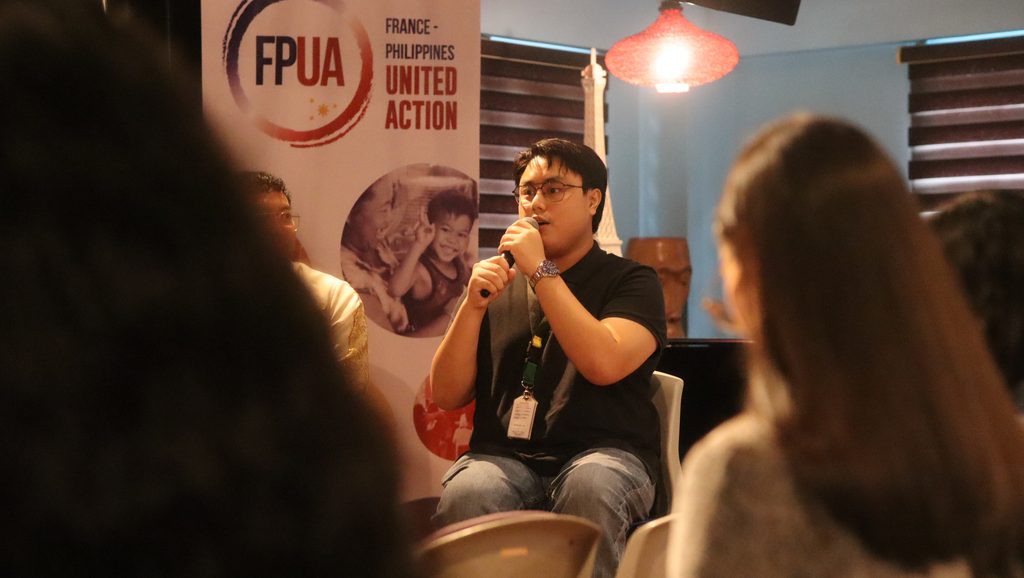
A common misconception in this space is that sustainability requires an impossibly high standard of zero resource consumption. In reality, in countries like the Philippines where survival is a daily priority for many, we must offer practical alternatives rather than judgment. People use resources like plastic bottles because alternatives are expensive. We need to shift toward a circular economy where waste becomes a new resource—a concept we put into practice by creating eco-bins during Youth for Dagat, a project under the Embassy of France to the Philippines and Micronesia (FPUA).
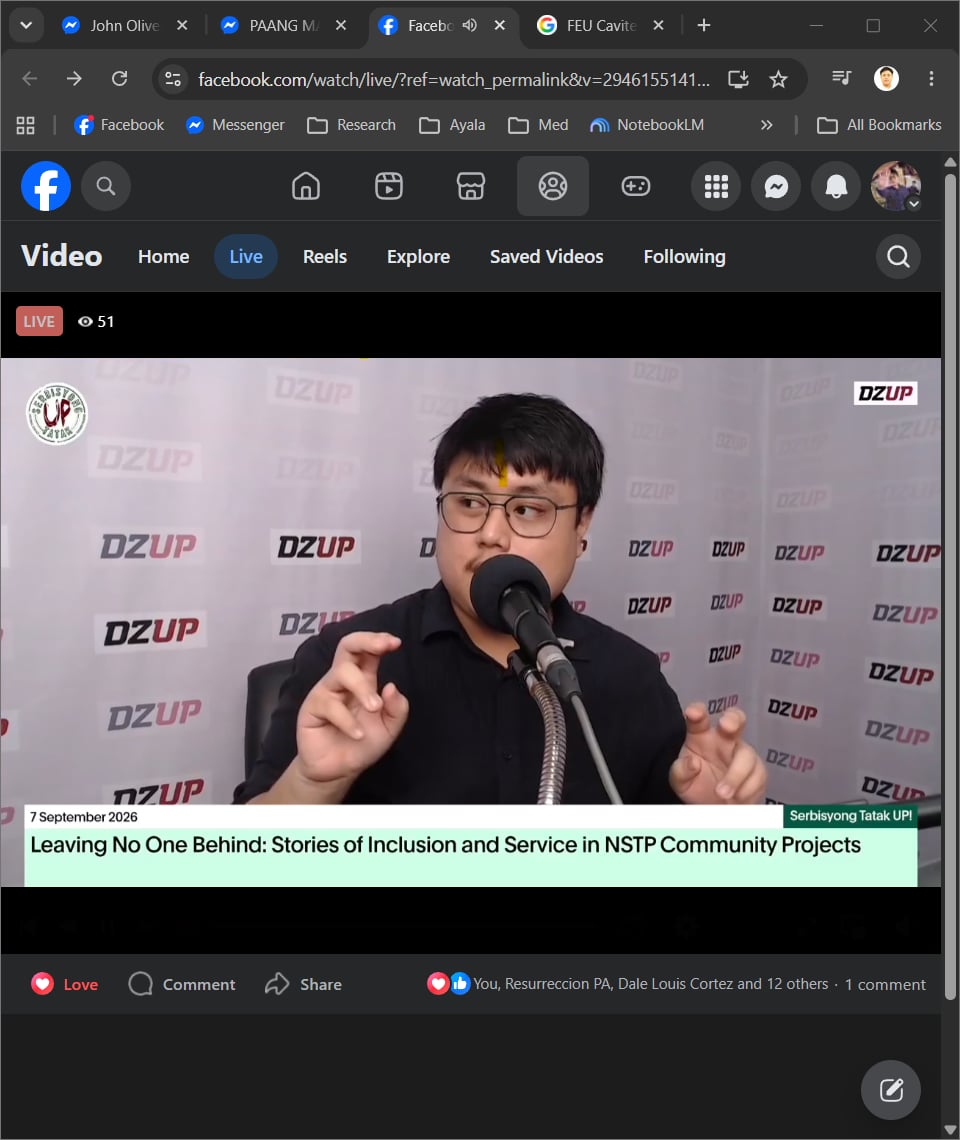
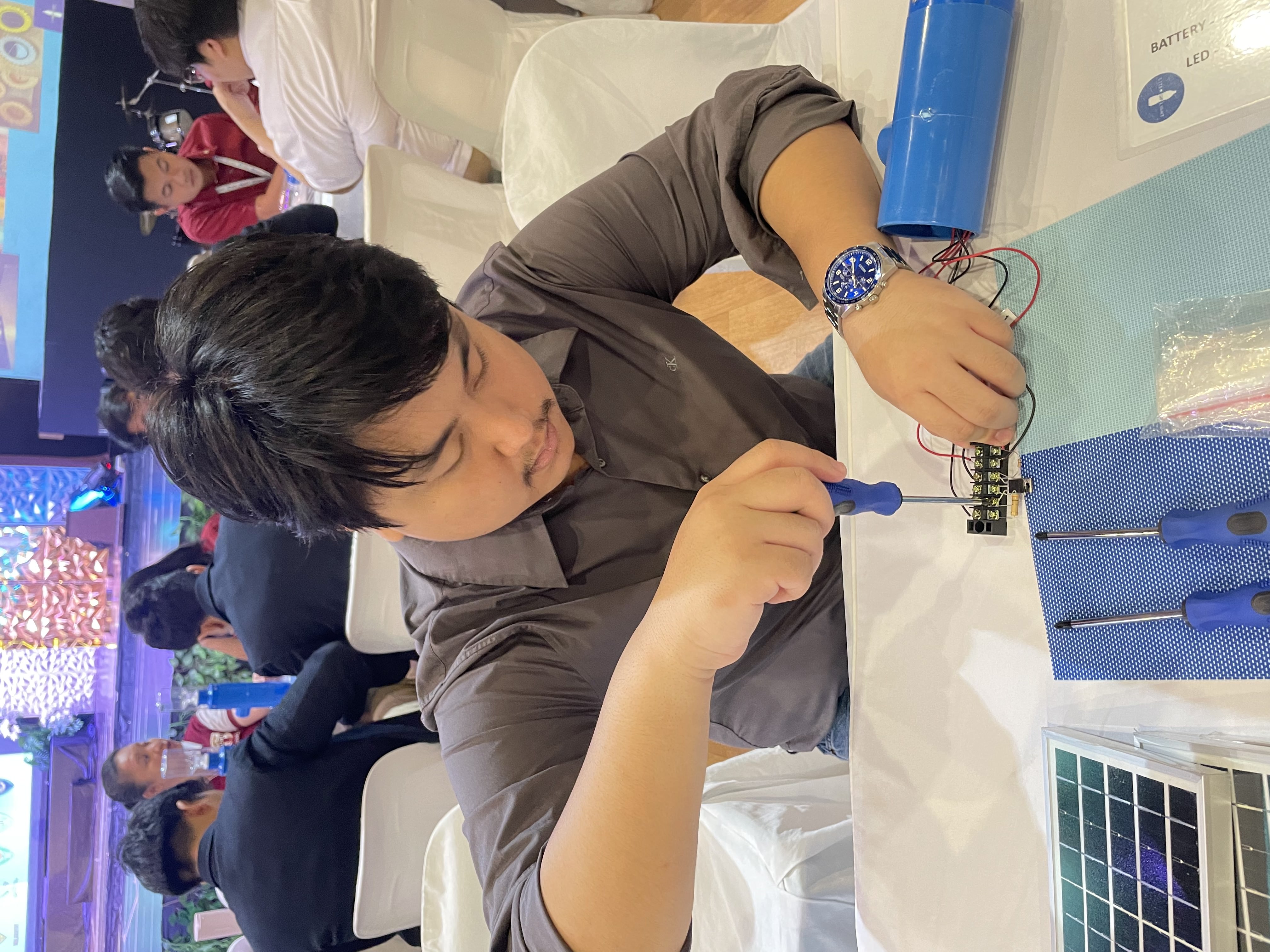
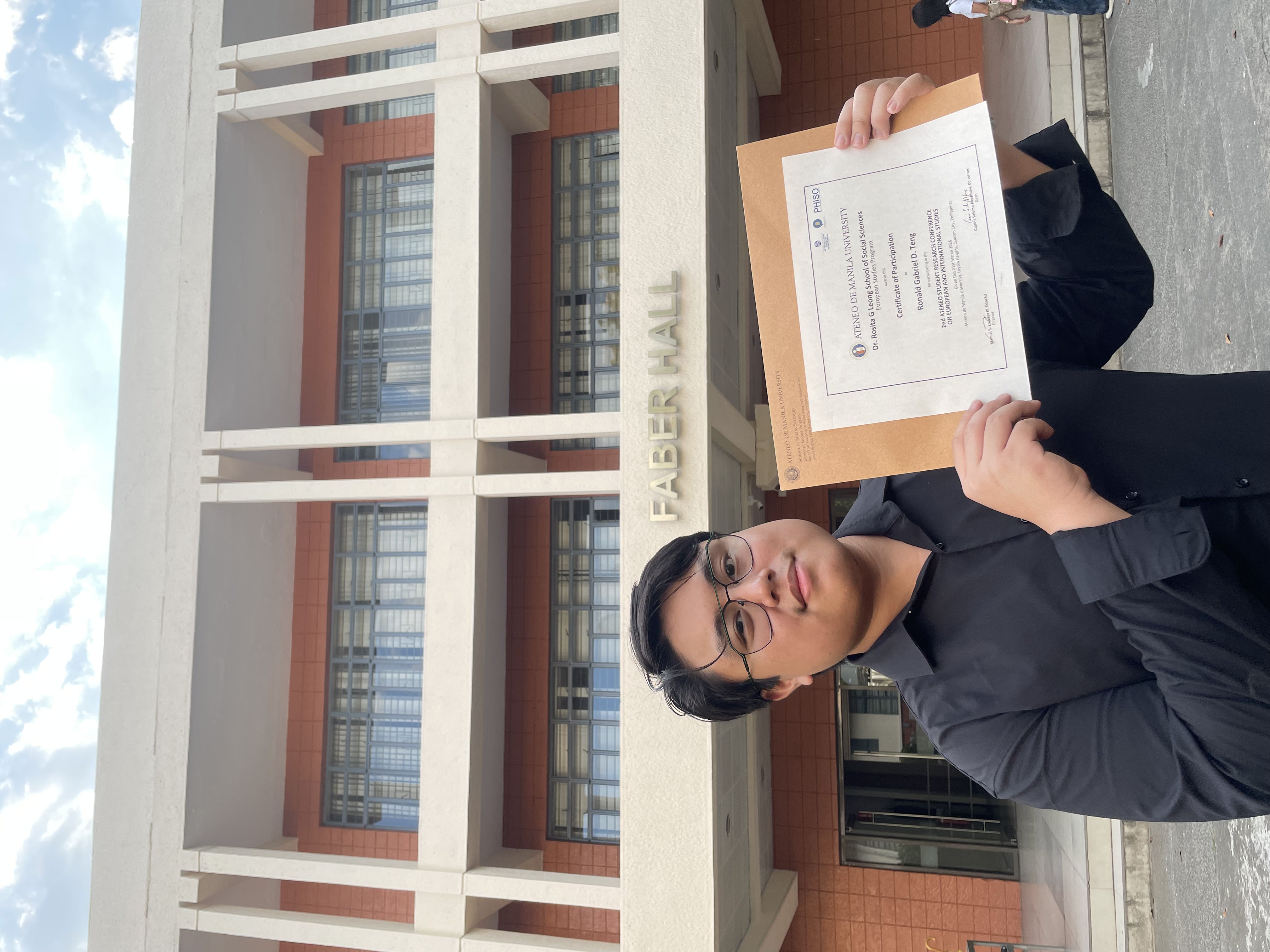
Sustainability is not just about “sustaining”; it is about the ability to exist and develop without causing harm, direct or indirect. Throughout this journey, the support of my family, the Almighty Creator, and my mentors has taught me one vital lesson: if people truly want to make a better world, they will.
Looking ahead, my greatest hope as a future microbiologist and advocate is that we continue to question systemic failures rather than simply accepting them. With questioning comes learning, and from that learning comes our collective power to create real, lasting change. And if we want change, we don’t just pray, but we move our feet.
When asked how my interest in microbiology began and what my childhood was like, I often reflect on the personal experiences that ultimately shaped both my academic path and advocacy work.
My childhood was defined by constant visits to hospitals, physical rehabilitation centers, and diagnostic clinics. For years, I was passed from one specialist to another as doctors struggled to pinpoint the exact genetic cause of my Motor Neuron Disease (MND). Growing up was often painful; as new symptoms surfaced (e.g. spasms, nerve pain, fasciculations, etc), I had to undergo various operations and treatments. Afterward, I relied on assistive devices like plastic ankle-foot orthoses just to maintain my mobility.
Surviving these constant changes taught me resilience, but more importantly, it pushed me to take charge of my own health. I realized that this is where it starts; someone needed to do something, and I decided it had to be me.
To understand my condition, I began reading up on medical trends, and biology quickly became my gateway. At a young age, I was borrowing thick medical books and taking courses at the Elsevier Research Academy and Coursera. My goal was to understand the body’s unseen world; specifically microorganisms, dysbiosis, and their neurological effects.
This deep, personal curiosity translated into academic projects where I connected the dots between environmental pollution and exacerbated health issues, sparking my advocacy for the SDGs. Discovering that FEU, my parents’ alma mater, offered a student-centered learning framework made my path forward clear; it was the exact environment I needed to continue this purpose-driven advocacy.